
Last updated November 15, 2026
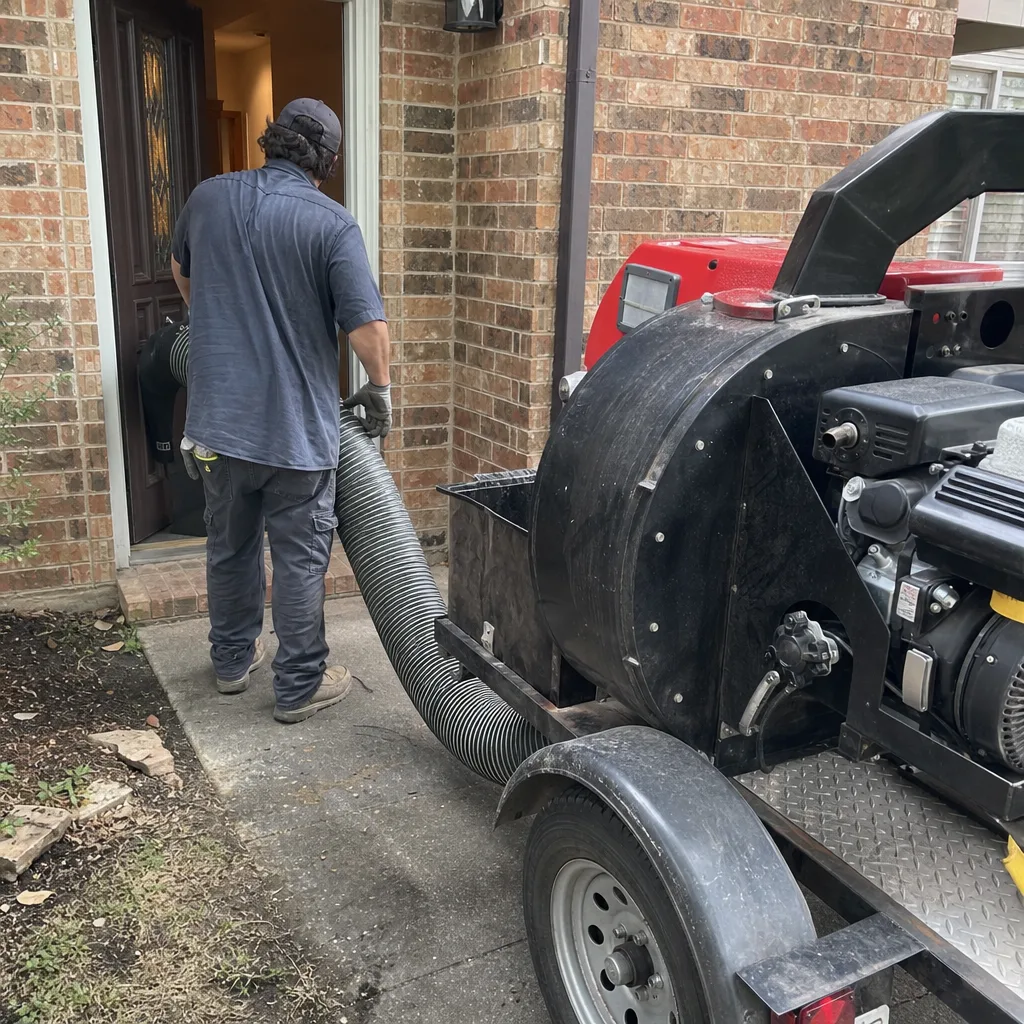
 Whole-home duct cleaning
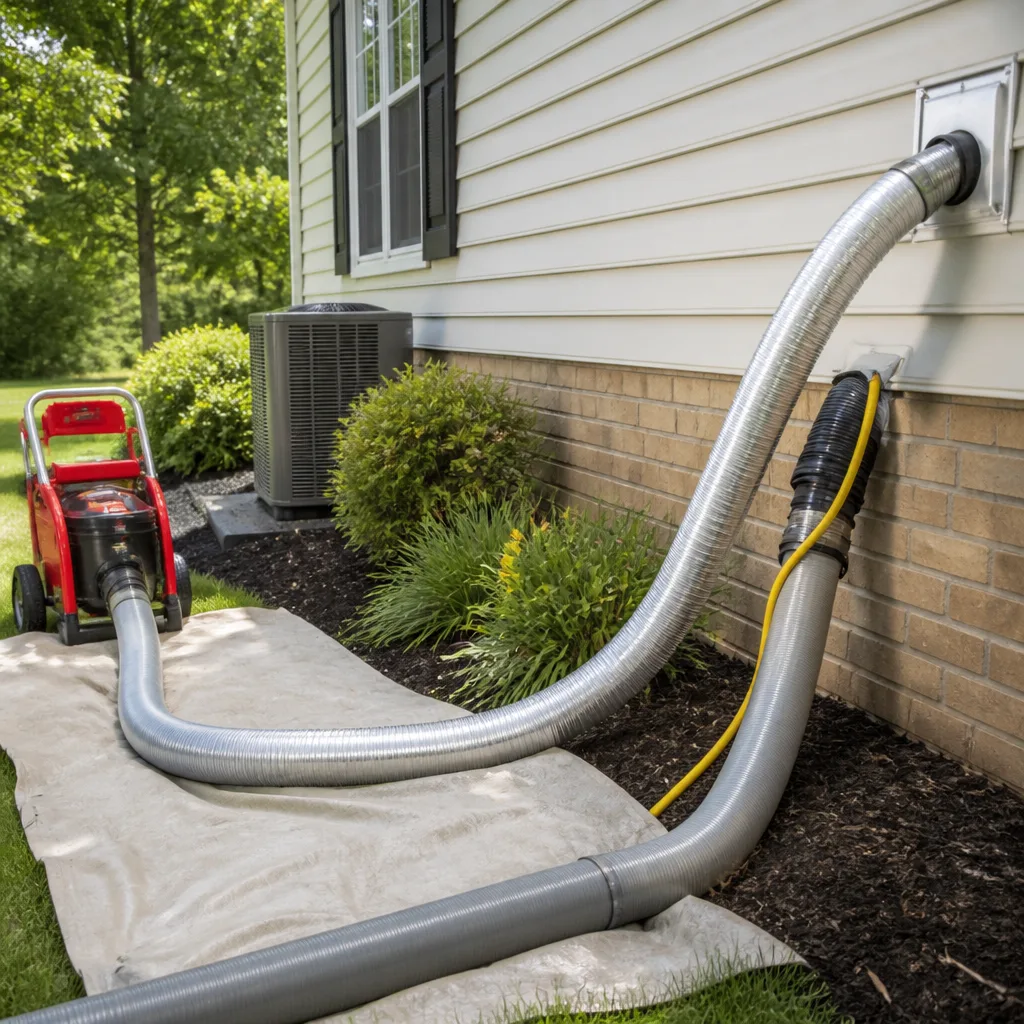
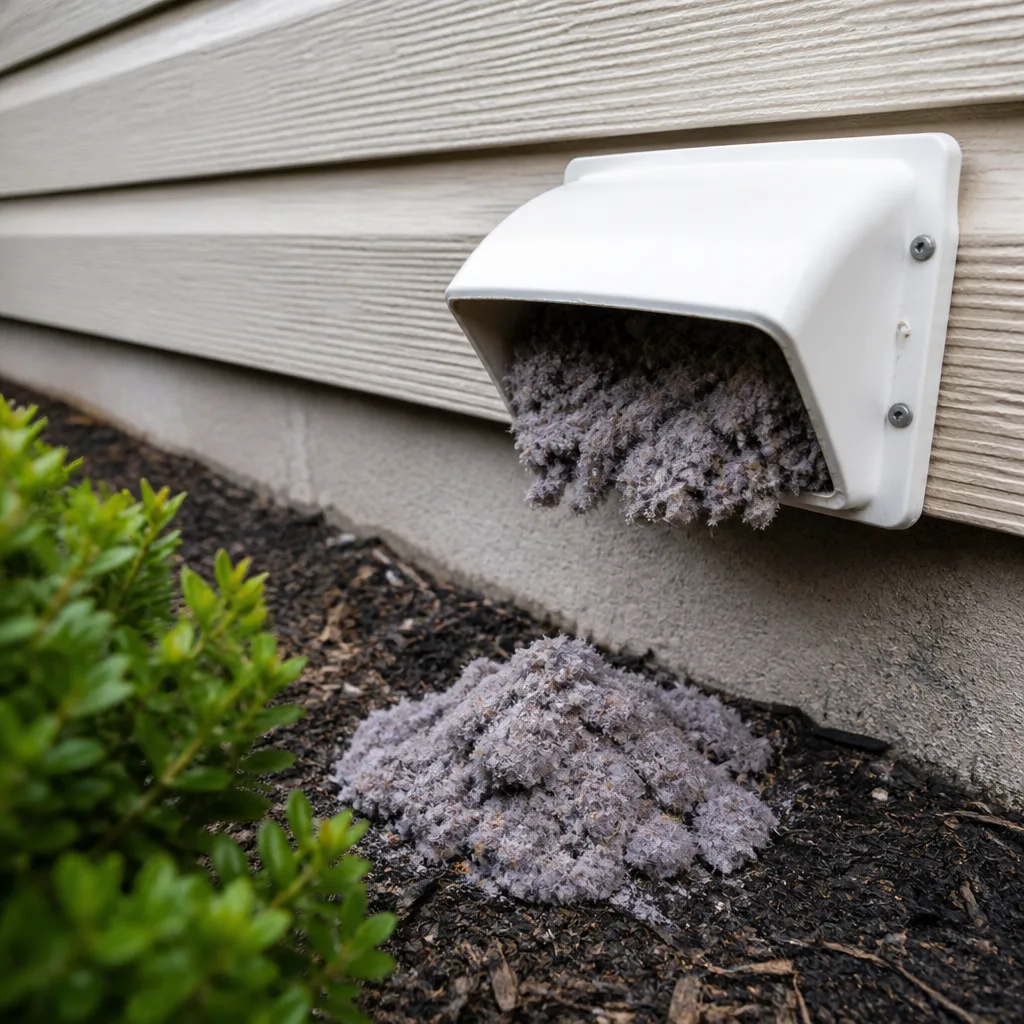 Dryer vent cleaning
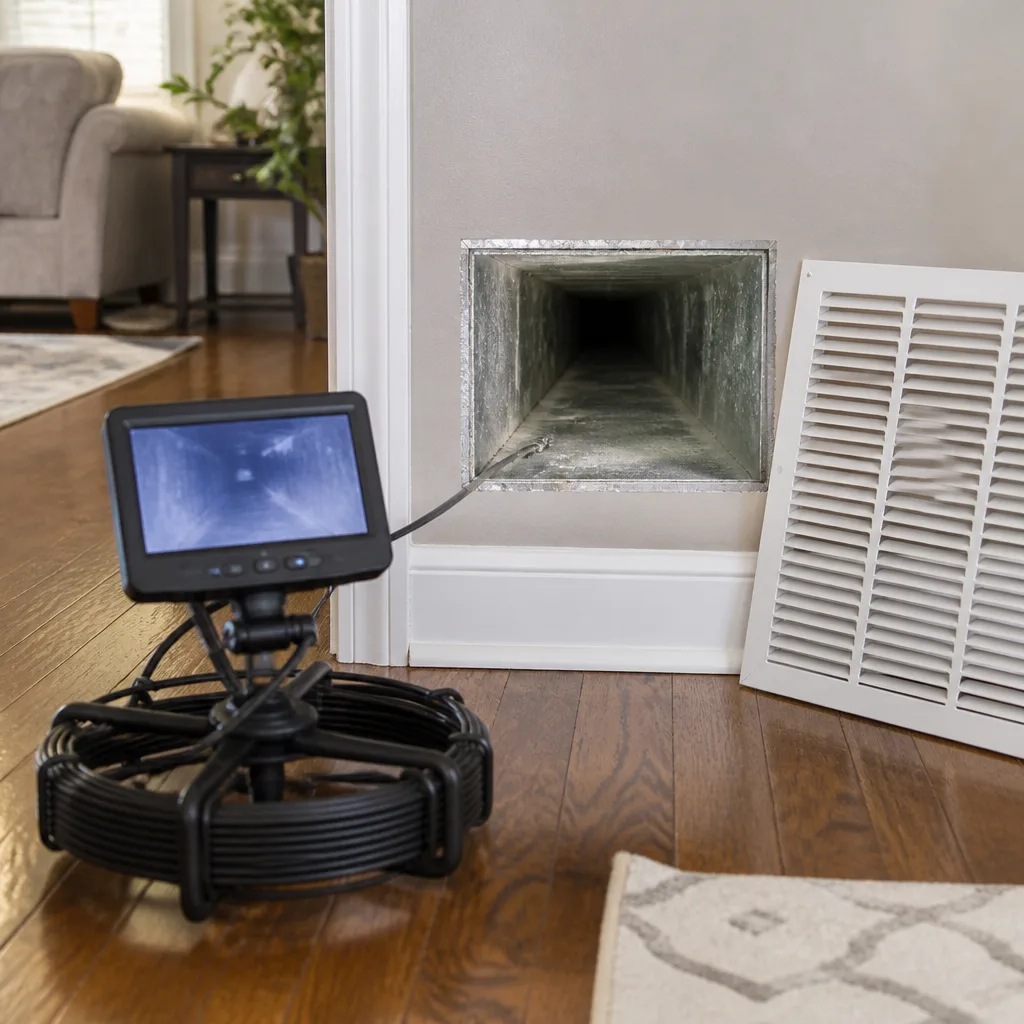 Camera inspection
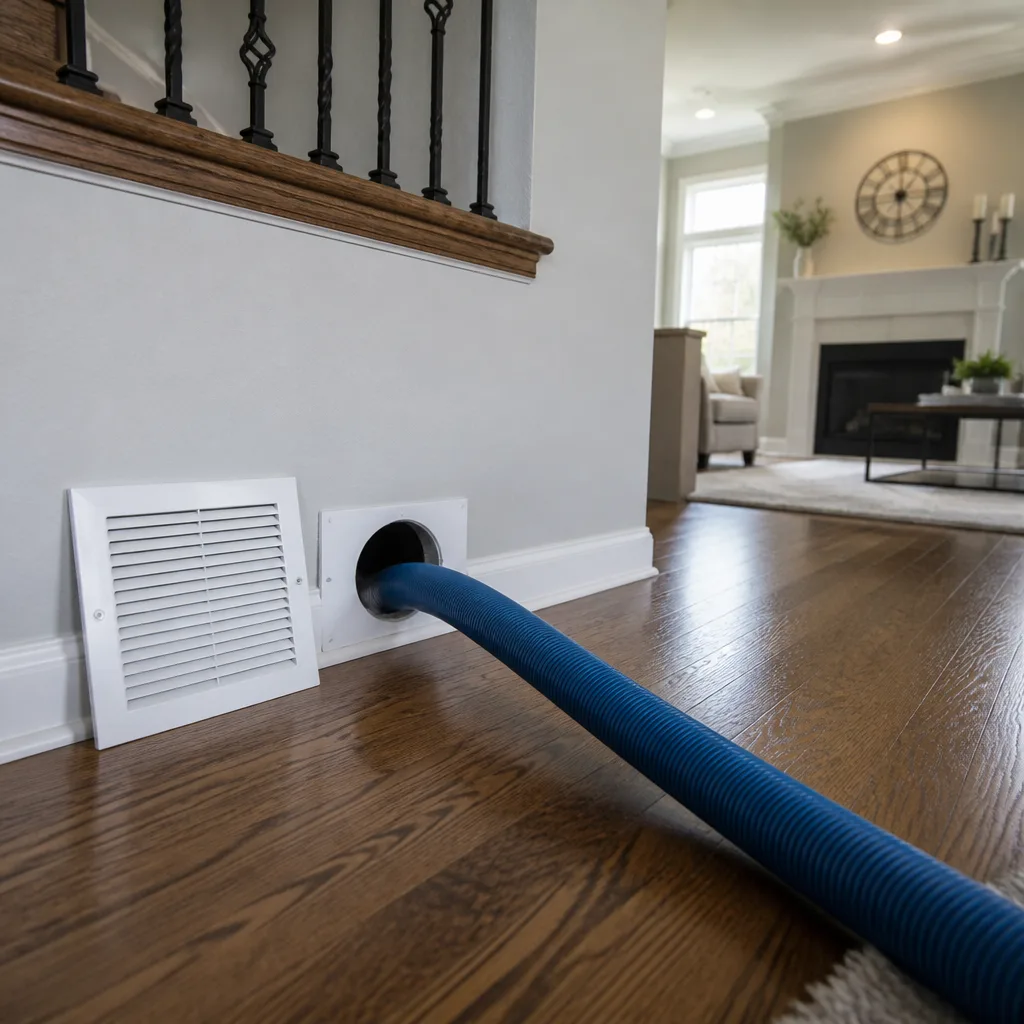 Sanitizing & deodorizing
Whole-system duct and dryer vent check with before-and-after photos - you see exactly what came out of your vents
That "$99 whole-house special" is a bait ad - the real number appears once they are in your hallway, or the "clean" is a shop-vac at the register. We photograph the inside of your ducts before and after instead.
Air Duct Cleaning Warning Signs: A Denton Homeowner’s Reference Guide
Most homeowners expect a duct problem to announce itself. A puff of dust from a register, a smell that won’t leave, a technician pointing at a filter with a grave expression. In practice, the duct problems that do the most damage in Denton homes are quiet. They build over seasons, hide inside wall chases and attic runs, and disguise themselves as ordinary house behavior. You wipe the register, you change the filter, you move on. What’s actually informative isn’t that dust exists. It’s where the dust shows up, when it shows up, and what it’s sitting next to. This guide is built to help you read those patterns the way a technician reads them, so you can tell the difference between a home that needs a filter change and a duct system that needs attention.
Quick Answer
The main warning signs of a duct system that needs professional attention in Denton are uneven dust on registers served by different duct branches, odors that appear or worsen only when the HVAC runs, room-to-room temperature swings that have gotten worse over time, allergy or respiratory symptoms that track with HVAC operation, and visible damage to flex duct or fiberglass liner in attic and crawl spaces. A single dusty register is rarely a sign on its own. A pattern in the dust, the air, or the way the system runs is.
Styles & brands we work with
- Whole-home duct cleaning
- Dryer vent cleaning
- Camera inspection
- Sanitizing & deodorizing
Table of Contents
- How Dust Patterns Reveal a Duct Problem
- Odor Diagnostics: What Each Smell Tells You
- HVAC Performance Signals That Point to Ducts
- Reading Occupant Health Patterns
- What Denton’s Older Housing Stock Shows That Newer Homes Don’t
- A Homeowner’s Step-by-Step Duct Inspection
- Common Mistakes to Avoid
- When to Call a Professional
How Dust Patterns Reveal a Duct Problem
A single dusty supply register is almost never diagnostic. A pattern in the dust is. When you wipe every register in the house on the same day and check again in four to six weeks, the distribution of dust tells you something specific.
If dust reappears heavily on registers fed by one duct branch while others stay clean, the problem lives in that branch. It might be a breach in the flex duct inside the attic, a disconnected collar at a trunk fitting, or a section of fiberglass liner that has broken down and is shedding particles directly into the airstream. If the dust is uniform across every register, the issue is more likely filtration, blower performance, or a system-wide accumulation that has never been addressed.
The type of dust matters as much as the distribution:
- Fine gray dust that settles evenly and lightly is usually normal accumulation plus an ordinary filter load.
- Dark, sticky dust that clings to the register vanes rather than falling away is often a sign of moisture in the duct system. That moisture is what biological growth needs.
- Fiberglass particles – visible as tiny bright specks – usually indicate interior liner degradation or a frayed cut end of insulated flex duct inside an attic run.
- Gritty or sandy debris that appears only at one or two registers can signal a break that’s pulling attic insulation or exterior dust into the duct.
- Insect fragments or droppings near a register face point to pest intrusion into the duct, and warrant prompt attention.
In Denton, homes with long attic duct runs see these patterns more because attic temperatures swing widely through the year. That thermal cycling stresses flex duct fittings and adhesive on liner seams, and a small breach at a trunk collar is enough to draw attic air into the living space every time the blower runs. Blocking that breach and cleaning the branch it fed isn’t cosmetic. It’s the difference between filtering your home air and pulling unfiltered attic air into it.
Odor Diagnostics: What Each Smell Tells You
Smells are the most underused diagnostic tool a homeowner has. Odors travel directly through the duct system and arrive at your registers carrying information about the duct’s condition. The most useful question is not “does it smell?” but “when does it smell, and where in the house?”
Musty
A musty, damp-earth smell that intensifies when the HVAC starts is a moisture signal. The most common culprits are a wet evaporator coil pan, condensation on cold duct surfaces in humid months, or biological growth on the interior of fiberglass-lined ductwork. Musty odors that are strongest in one room usually mean the growth is in that branch.
Acrid
A sharp, plastic or burnt smell is a system problem, not a duct-cleanliness problem. It can come from electrical components in the air handler or motor, and if it appears suddenly and strongly, turn the system off and get a diagnostic before running it further.
Dusty or “dry”
A dry, powdery smell that arrives with airflow and lingers briefly is common in ducts that haven’t been cleaned and are carrying a heavy load of settled debris. It’s a description rather than a diagnosis, but it correlates strongly with visible dust patterns at the registers.
Sweet
A sweet or chemical odor in the airstream is worth treating carefully. Refrigerant leaks produce this kind of smell near air handlers. If you notice it, don’t run the system while you look for the source. Call for a diagnostic.
We’ve seen homes in Denton where the smell was strongest in one bedroom and absent elsewhere. The cause was a disconnected flex run at the boot behind the wall, drawing air from inside a wall cavity. The fix was an air duct cleaning of the affected branch and a proper reconnection. Regular dryer vent cleaning is also worth keeping up separately, since a clogged dryer vent produces a distinctly warm lint smell that homeowners sometimes confuse with duct issues.
HVAC Performance Signals That Point to Ducts
Duct problems show up on the utility bill and the thermostat long before they show up as visible dirt. Three performance patterns point at the duct system specifically:
- An efficiency drop you can trace. If your energy bill has crept up over two or three seasons with no change in thermostat behavior or appliance use, restricted airflow through contaminated ducts can force the blower to work harder and change how the system delivers conditioned air.
- Room temperatures that have drifted apart. A bedroom that used to hold temperature within a degree of the hallway but now runs three degrees off, or a room that runs cold in summer and hot in winter, is often a sign of a duct branch that’s partially restricted, disconnected at a fitting, or leaking at a joint.
- Filter loading speed. If a filter that used to last three months now looks loaded at five or six weeks, either the return side is pulling in more debris than it should or the system’s airflow is compromised. Both are duct-adjacent findings.
The trick is that none of these prove a duct problem on their own. A failing blower motor can produce the same symptoms as a restricted duct. What separates a duct issue is the combination. Rising filter loads plus one room that won’t stay comfortable plus heavier dust at two registers fed from the same branch is a much tighter signal than any one of them alone. In homes we service across central Denton, we look for that combination before recommending anything beyond a basic clean.
One technical note: professional duct cleaning stops at cleaning the duct system and the accessible air handling components. If the diagnostic points at a failing blower or a coil problem, that’s HVAC work outside the duct scope. It’s better to know that before the ducts get cleaned than after.
Reading Occupant Health Patterns
We aren’t medical professionals and we don’t diagnose anything. But as duct cleaning specialists, we pay attention to patterns that homeowners describe, because the ducts are the pathway those patterns would travel on. The signal is never one symptom in one person. It’s the pattern.
Here’s what a duct-linked pattern tends to look like:
- Symptoms that appear or worsen when the HVAC is running. Someone who feels fine in the morning but stuffy an hour after the system comes on is showing a timing correlation worth noting.
- Room-specific symptoms. One child who sneezes in their bedroom but is fine in the living room. One person whose sinus symptoms are worst in the home office. Those specific-room patterns are what you’d expect if a single duct branch is delivering contamination, not the whole system.
- Seasonal shifts that don’t match the outdoor allergen calendar. In Denton, spring pollen is a known seasonal pattern. If symptoms are actually worse in mid-January when nothing outside is blooming, indoor sources are more likely, and ducts are one.
- Visitors and guests noticing it too. A homeowner who lives with the air every day may not register a change. A relative who visits for an afternoon and comments that the house “smells stuffy” is useful information.
If you have a Honeywell or Aprilaire whole-home filtration system installed, that equipment is doing real work, but it can’t compensate for a duct system that’s delivering contamination downstream of the filter. Clean ducts start at the source: the airstream has to be clean before filtration can be effective. We’re familiar with those systems and design cleaning around what’s already installed, so the filtration investment you’ve made continues to pay off. If you’re wondering whether the pattern you’re seeing is a filter that’s already loaded or something further upstream, our duct cleaning Denton page covers what a full system service actually includes.
What Denton’s Older Housing Stock Shows That Newer Homes Don’t
Denton has a deep and varied aging curve in its housing stock. The 1980s, 1990s, and early 2000s homes in the neighborhoods around central Denton and the corridors near the universities show contamination patterns that look noticeably different from what we see in more recently built homes. Knowing which pattern applies to your house changes what to look for.
Flex duct systems from the 1980s and 1990s
Many homes from this era were built with flexible duct routed through attic spaces. The outer vapor barrier is susceptible to minor tears and UV breakdown, and the inner core material can degrade with age. Warning signs in these homes often show as grit or fiberglass particles at registers rather than as dust alone. Flex joints that were taped and never secured with a mechanical fitting can come apart quietly, feeding that one branch with attic air.
Fiberglass-lined sheet metal ductwork
Somewhat older Denton homes have sheet metal trunks with interior fiberglass acoustic lining. As that lining ages, the coating can fail and the fibers can begin to release into the airstream. Signs to look for are lighter, brighter dust particles at registers served by the lined trunk rather than at every register in the house, and odors that concentrate near the trunk rather than in the farthest rooms.
Newer builds
Homes built in the past decade typically show fewer structural duct problems in the first years but are more affected by filter neglect and construction debris that got into the system during build-out. If you bought a home that was recently finished, the first several months of annual filter changes will usually reveal whether construction-era debris made it into the ducts.
Our technicians have up to 11 years of experience and have worked across all three of these patterns. Recognizing which one applies to your home is the difference between treating a symptom and addressing a cause. Where duct damage shows up, we also handle air duct repair rather than cleaning around the problem, which matters more in older Denton homes than homeowners often realize.
A Homeowner’s Step-by-Step Duct Inspection
You can do a useful self-inspection in about thirty minutes, and it tells you whether you actually need to schedule a professional visit. Here’s the sequence:
- Wipe every supply register on the same day. Use a white paper towel so the dust color is readable. Note the location of each register.
- Check them again in four to six weeks. Compare dust levels register to register. Any register with noticeably more dust than others is a candidate for a branch-specific problem.
- Note the color and texture. Dark sticky dust, bright fiber specks, and gritty particles mean three different things. Photograph them.
- Time your HVAC. Run the system for an hour after a filtered, freshly dusted day. Check the registers again the moment the system comes on. A dust puff at startup is a signal.
- Listen for rustling or whistling at return grilles and at any accessible attic or crawl space fittings. Whistling often means a restricted or leaking fitting.
- Visually inspect any accessible duct runs in attic and crawl spaces. Look for disconnected joints, torn flex duct, sagging runs, and water staining on the outer wrap. Don’t touch damaged runs.
- Track the pattern on paper. Room, date, what you saw. This record is the single most useful thing you can hand a technician.
If your inspection doesn’t turn up any of these patterns, you probably don’t need a duct cleaning right now. That’s a real answer. If it does show a pattern, you’re not guessing anymore. You’re looking at a specific branch or system-wide condition, and the next step is a professional look.
Common Mistakes to Avoid
- Judging the whole system by one register. A dusty register only becomes a signal when compared against other registers served by different branches. Wiping one supply and calling it a problem is not a diagnostic.
- Mistaking a strong odor for a duct cleaning need. An acrid or sweet smell is not a dirt issue. It’s a system issue. Running the system while you figure it out can make it worse.
- Accepting a low quoted price at face value. A quote that’s unusually low below the honest range usually means it’s a “one-price-for-the-whole-house” call or a per-vent number that grows when the technician sees your system. Ask for a written whole-system estimate before work starts, and be cautious about any provider who won’t commit to one.
- Skipping the attic visual. Many Denton homes hide their worst duct problems in attic runs homeowners never look at. If the technician doesn’t inspect accessible attic runs, the finding will be missed.
- Assuming the whole-home filter is doing all the work. Honeywell and Aprilaire systems are effective filters, but they’re protecting the airstream downstream of the duct. A contaminated duct system keeps delivering contamination to the filter regardless of how effective the filter is.
- Treating a duct problem with cleaning alone when the duct is damaged. Torn flex duct, disconnected fittings, and degraded liner are repair jobs, not cleaning jobs. Cleaning around damage leaves the source of the debris in place.
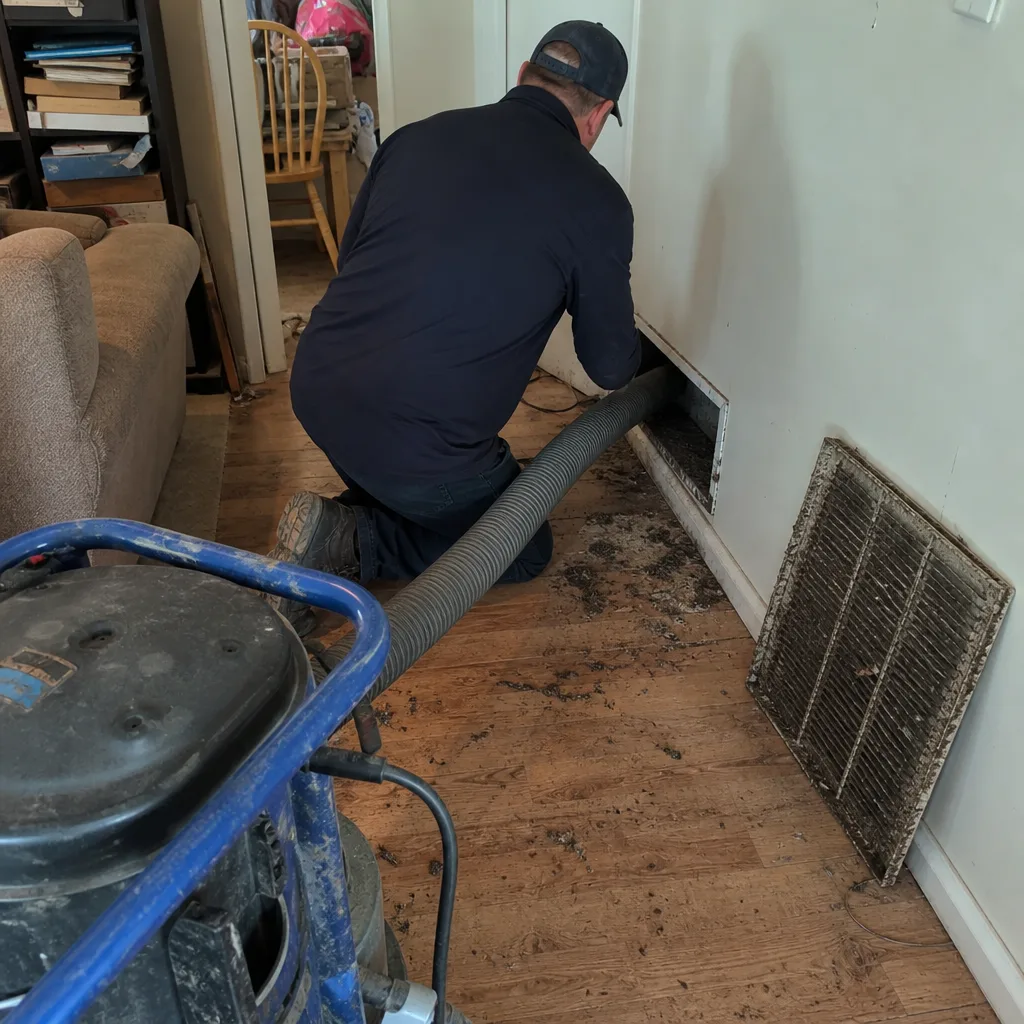
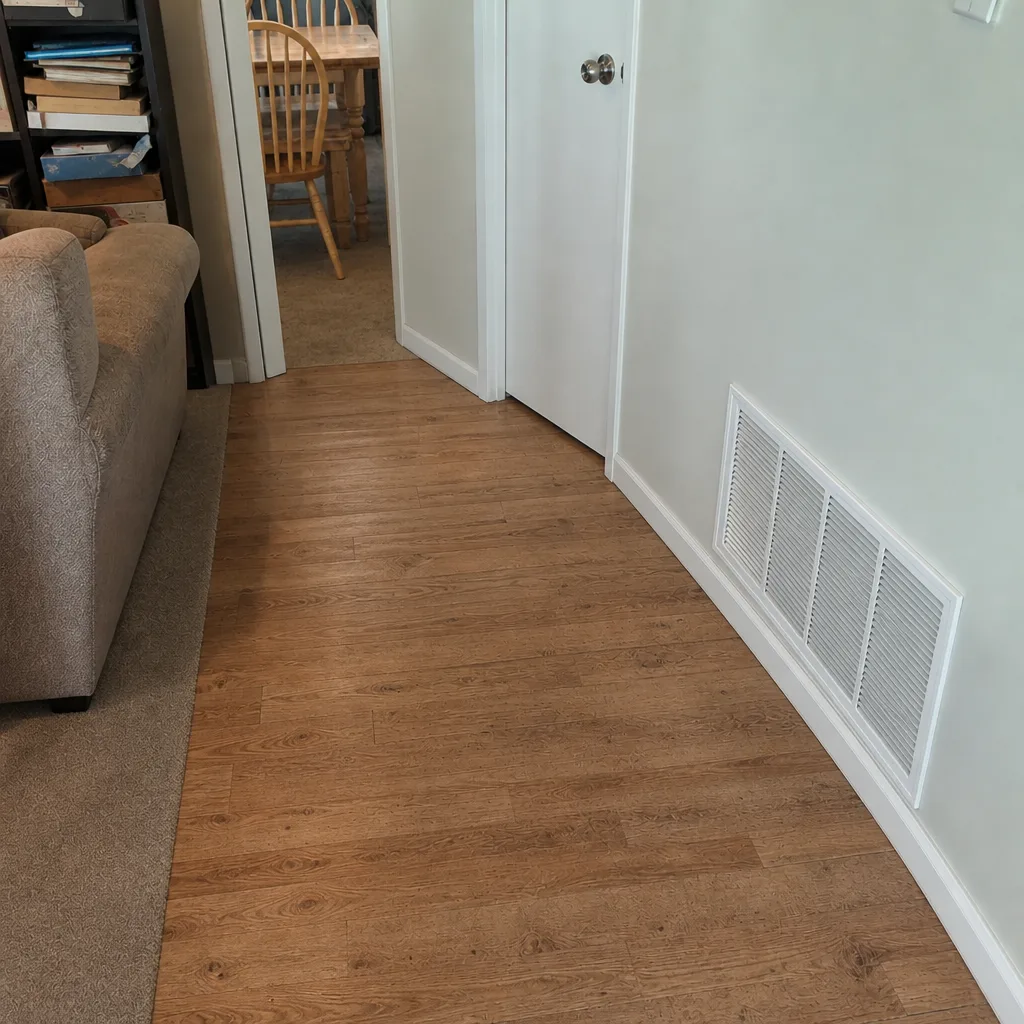
- Buying into “blow-and-go” cleaning. A technician who runs a vacuum for an hour and shows before-and-after photos of your actual ducts did the work. A provider who can’t show you before-and-after photos of your own ducts hasn’t finished the job.
When to Call a Professional
Some signs are worth a professional call even if your self-inspection was otherwise clean. Call if you see grit or fiberglass particles appearing at more than one register, if a musty odor persists or worsens when the system runs, if one or more rooms have been drifting in temperature for more than a season, or if a duct in an accessible attic or crawl space is visibly damaged. Call if someone in the home has symptoms that track with HVAC operation specifically, or if you’ve just moved into a home from the 1980s, 1990s, or 2000s and don’t know the duct history. Call if you’ve just finished a renovation and want the ducts checked for construction debris.
Duct Cleaning Denton offers free estimates in Denton; call (888) 890-4255. We use professional-grade Rotobrush and Nikro equipment, and Abatement Technologies negative-air practices to keep dislodged debris from recirculating into your home. Call (888) 890-4255. We answer 24/7. Fast dispatch from 7am to 7pm, Sunday through Friday.
See the difference
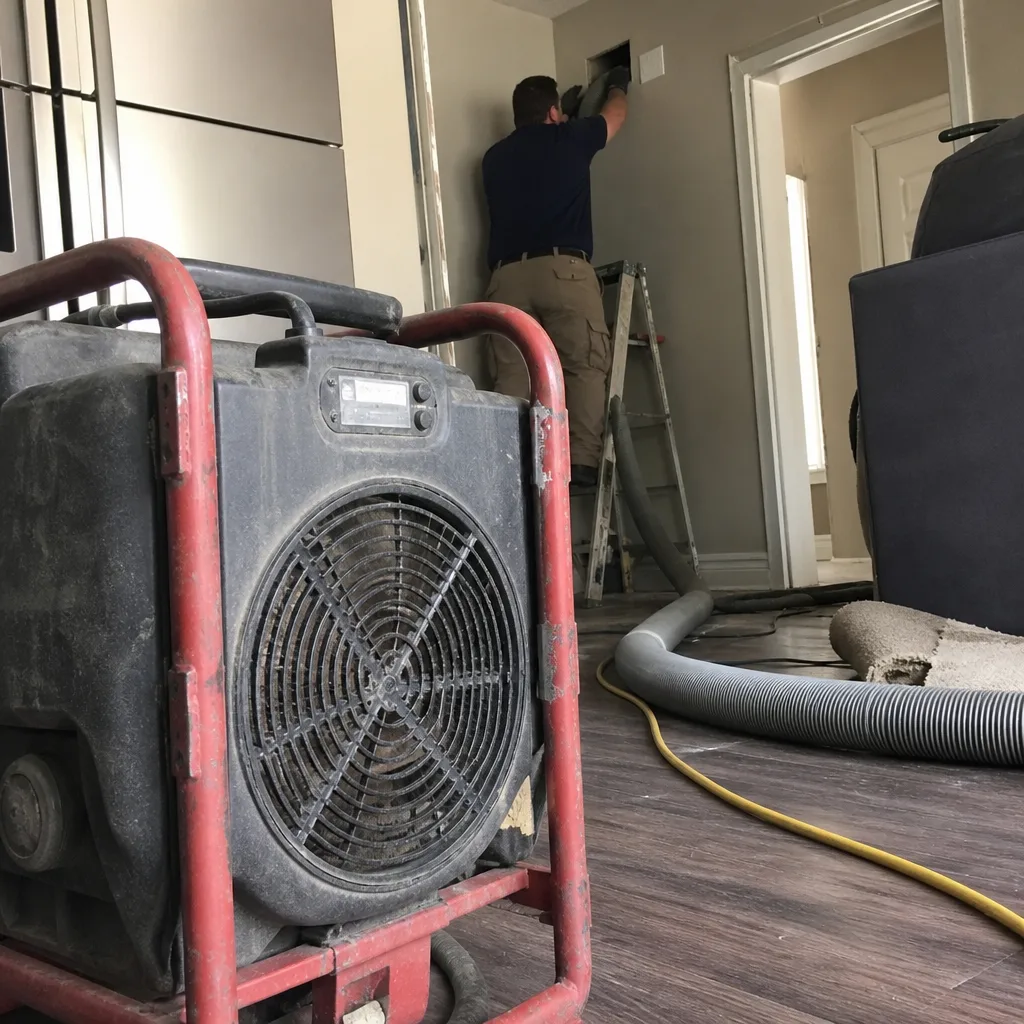 Before
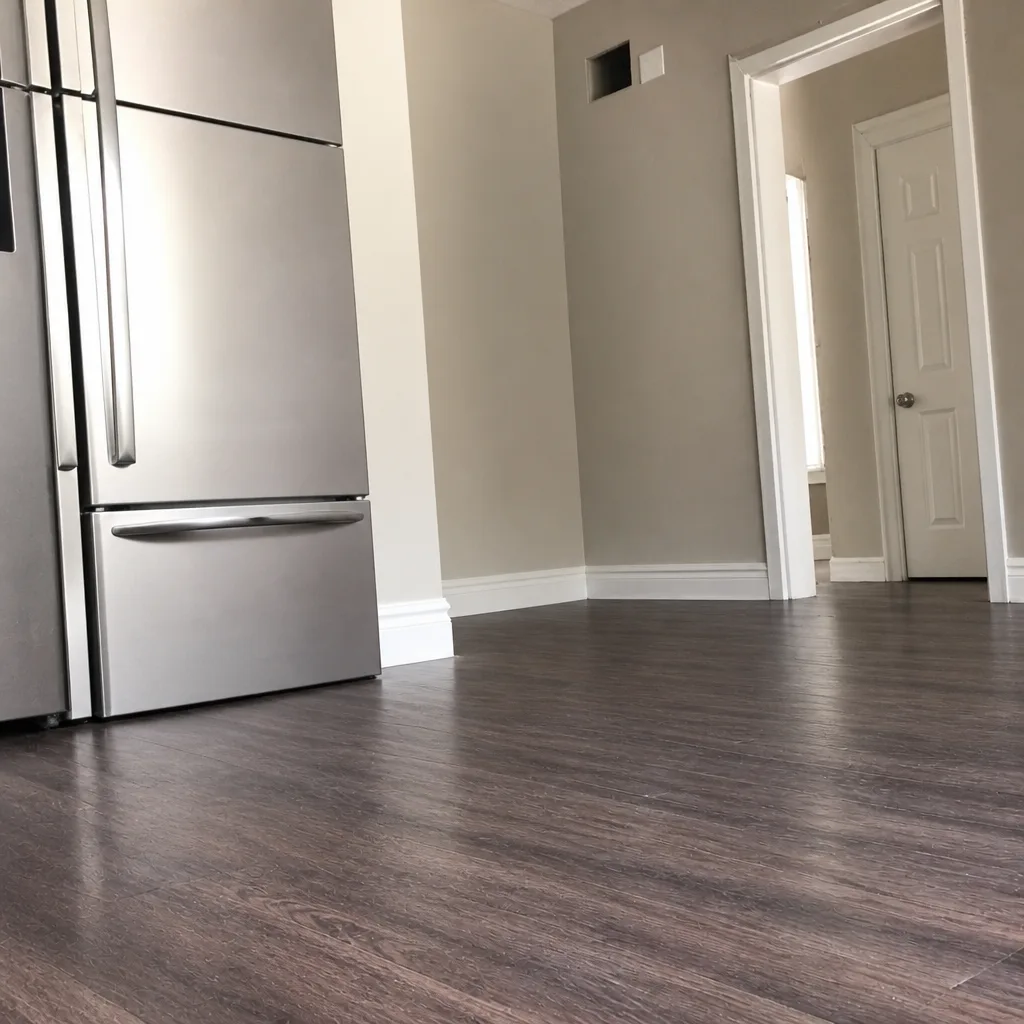 After
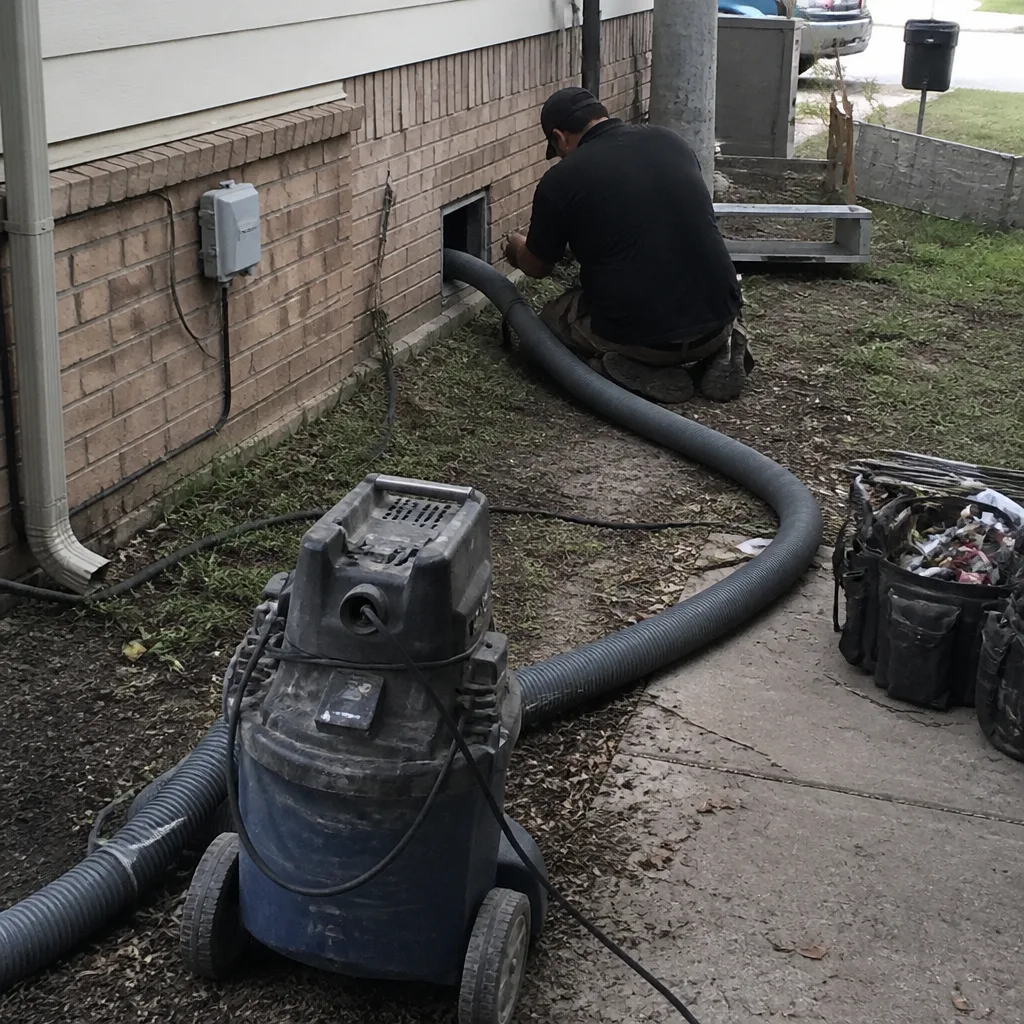 Before
 After
 Before
 After
Frequently Asked Questions
The strongest single sign is a pattern rather than a moment: dust reappearing heavily at registers fed by one duct branch while registers fed by the rest of the system stay relatively clean. That asymmetry points to a branch-specific problem that general cleaning won’t necessarily fix. Call (888) 890-4255 for an exact quote – estimates are free.
Honest whole-system pricing in the Denton market depends on the number of systems, the accessibility of duct runs, and whether the job includes repair of damaged runs. We don’t quote per-vent prices because they’re not what you get. Every job is one flat price per system agreed before work starts, confirmed in writing via the written estimate. Call (888) 890-4255 for an exact quote – estimates are free.
Cheap quotes are usually one of two things: a per-vent price that grows dramatically once the technician is on site, or a blow-and-go job that doesn’t include mechanical agitation, containment, or documentation. Neither one leaves your ducts actually clean. Ask for a fixed whole-system estimate and before-and-after photos of your own ducts before anyone starts work. Call (888) 890-4255 for an exact quote – estimates are free.
Ask for before-and-after photos of your own ducts, not stock images. A professional-grade clean includes mechanical agitation (a rotary brush system does actual work inside the duct), contained debris removal (HEPA filtration and negative air), and a final visual check with documentation. We provide those photos as a standard part of the job. Call (888) 890-4255 for an exact quote – estimates are free.
Most Denton homes with ordinary dust habits, maintained filters, and no pets or recent renovation don’t need duct cleaning on a fixed schedule. The honest answer is to inspect annually, filter-change on schedule, and clean when a pattern shows up: contamination, damage, pest intrusion, or a renovation that introduced debris into the system. Call (888) 890-4255 for an exact quote – estimates are free.
Not automatically. Odors are useful diagnostic information, but the specific smell determines whether cleaning is the answer. Musty and dusty odors often indicate contamination and benefit from cleaning. Acrid or sweet smells point to system issues that cleaning won’t fix. Our team walks the source before recommending either. Call (888) 890-4255 for an exact quote – estimates are free.
The Bottom Line
The most useful thing this guide can do is teach you to trust patterns over moments. A single dusty register, a single musty morning, a single warm bedroom – none of those alone is a duct cleaning signal. The same dust landing only on one branch’s registers, a smell that arrives exactly when the HVAC kicks on, a bedroom that has drifted off temperature over two seasons, or a musty odor that gets worse each humid Denton summer: those are patterns. They point to specific branches, specific fittings, and specific failure points that general cleaning won’t uncover. Watch the pattern, keep the record, and when a pattern shows up, get a professional look with equipment built for the job. We’re here when you’re ready: air duct cleaning, dryer vent cleaning, and air duct repair for Denton homes.
Call (888) 890-4255 for a free estimate. We answer 24/7. Fast dispatch from 7am to 7pm, Sunday through Friday.
Written by the team at Duct Cleaning Denton.