
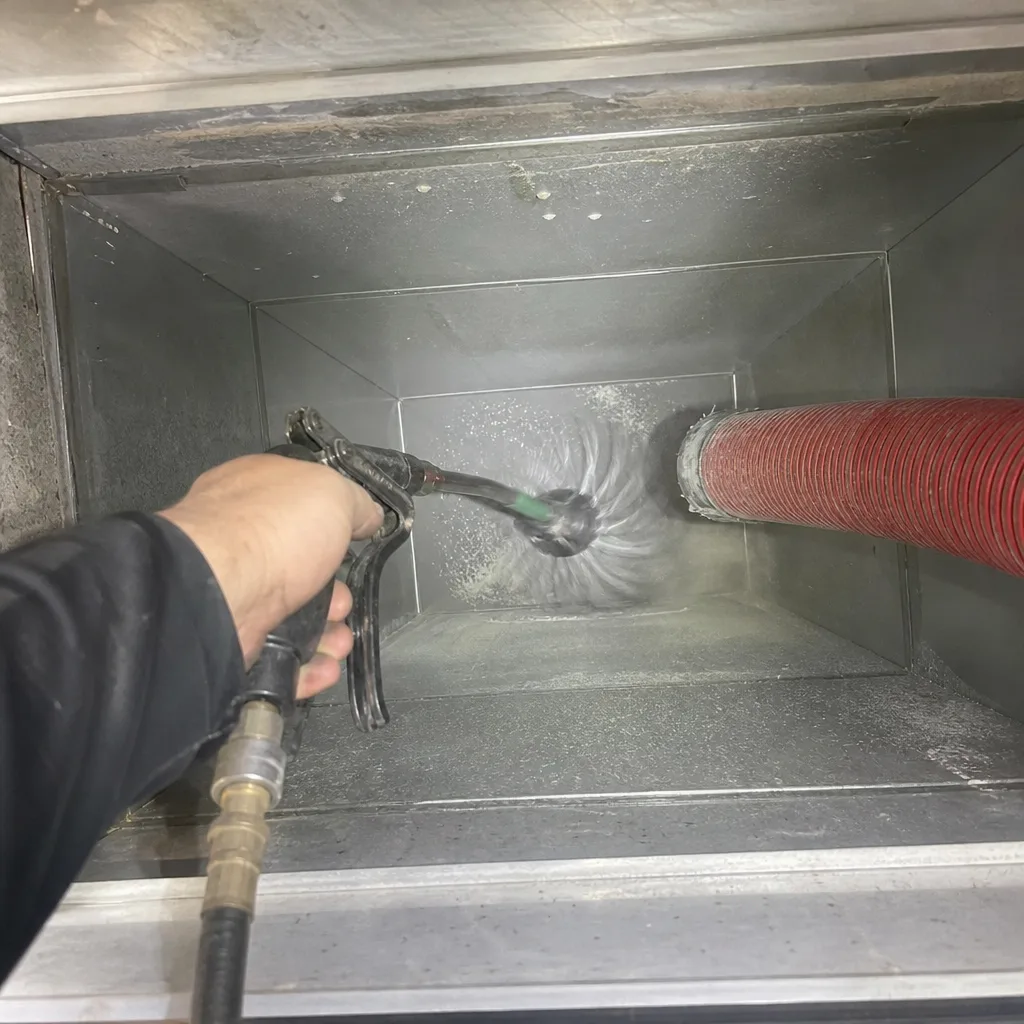
Last updated November 15, 2026
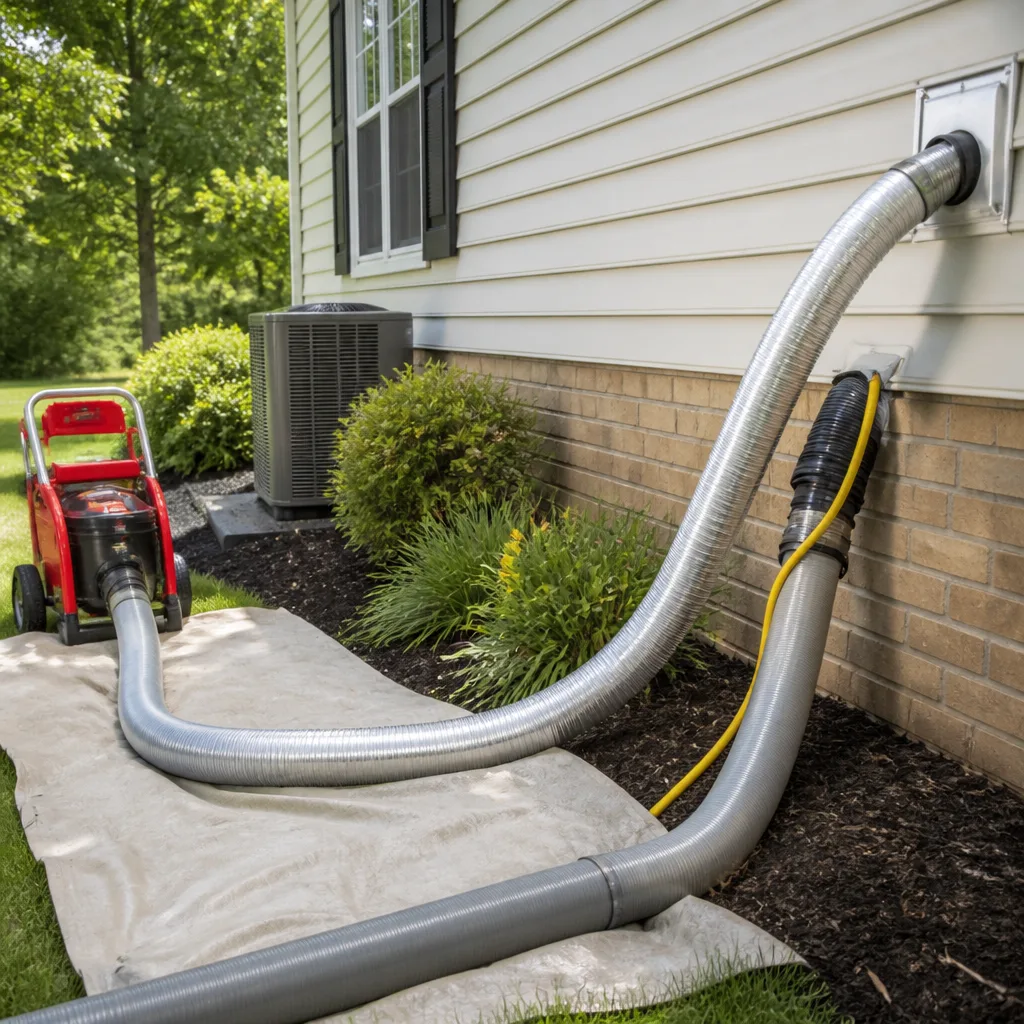 Whole-home duct cleaning
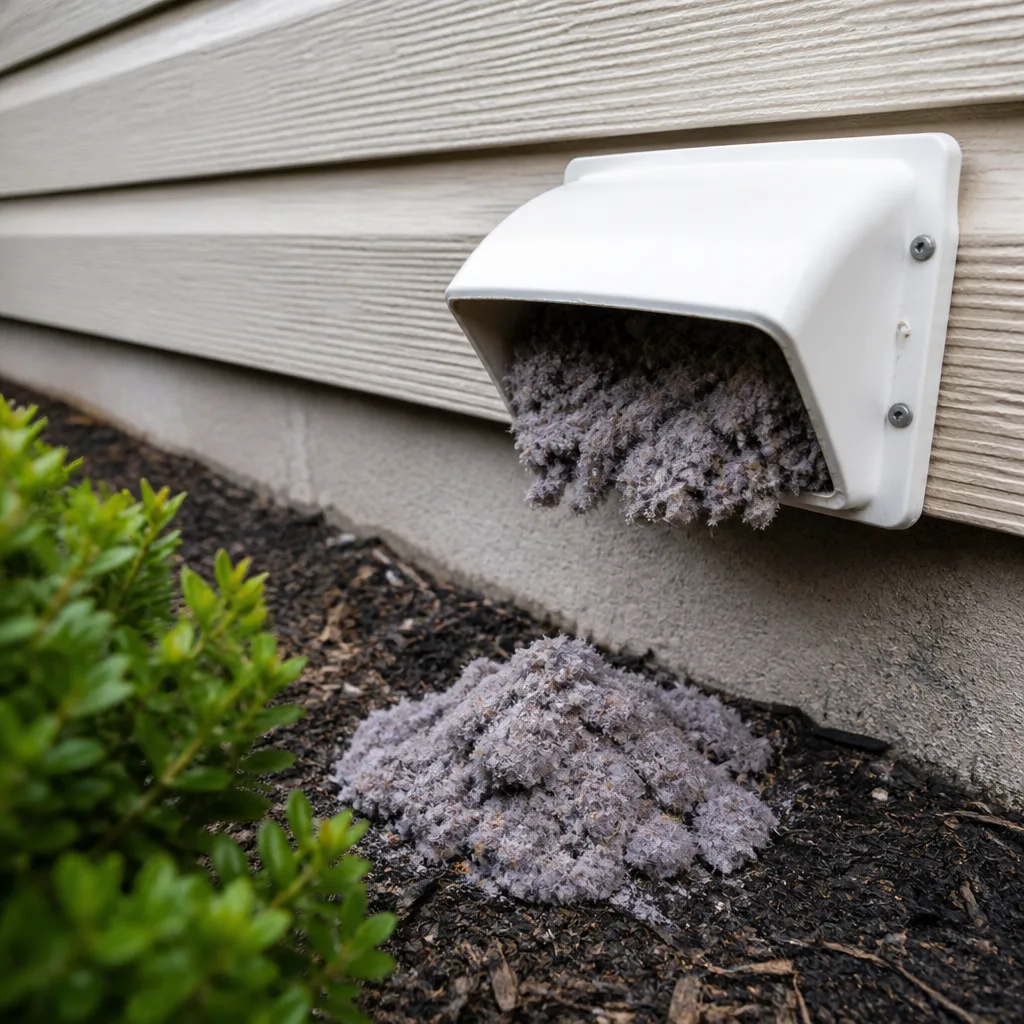 Dryer vent cleaning
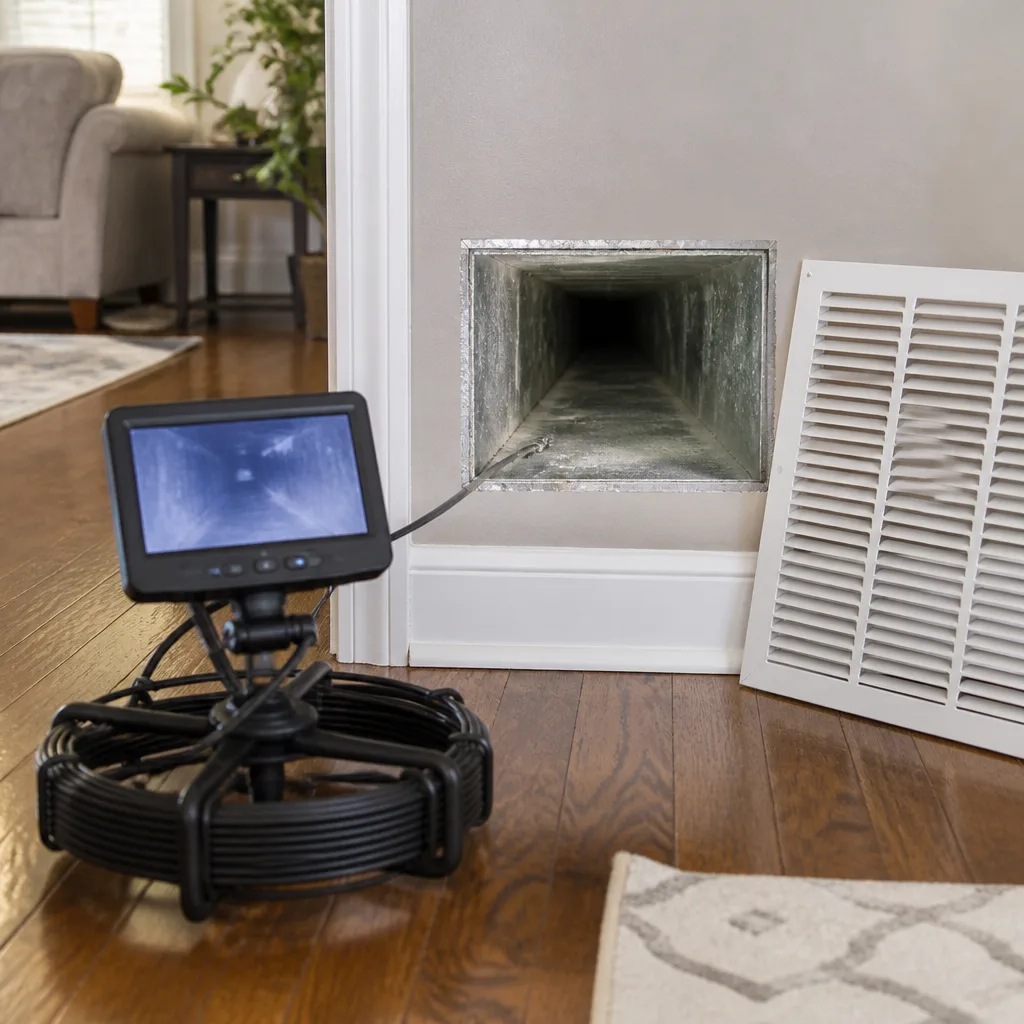 Camera inspection
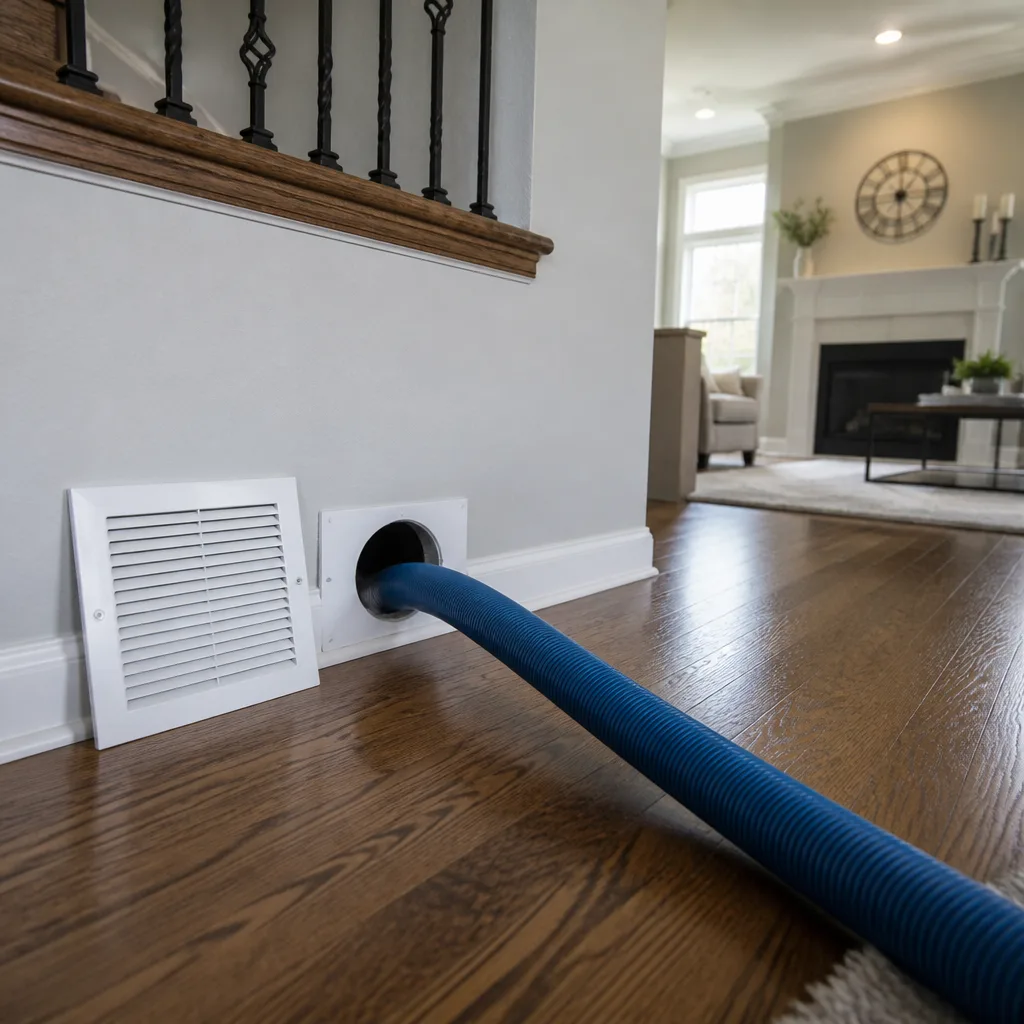 Sanitizing & deodorizing
Whole-system duct and dryer vent check with before-and-after photos - you see exactly what came out of your vents
That "$99 whole-house special" is a bait ad - the real number appears once they are in your hallway, or the "clean" is a shop-vac at the register. We photograph the inside of your ducts before and after instead.
Air Duct Cleaning Troubleshooting in Denton: Common Problems and How to Fix Them
If your ducts were cleaned six months ago and dust is already coating your vent covers, the cleaning didn’t fail. Your system has an underlying problem that cleaning alone was never going to fix. This is the single most useful idea in duct troubleshooting, and it’s the one most homeowners skip. In this guide, we map the symptoms you can actually see from inside your house to the four mechanical root causes behind almost every duct complaint we run into in Denton: contamination, leakage, filtration failure, and airflow imbalance. You’ll learn which problem you have, which corrective step actually applies, and where a DIY stopgap makes sense versus where you need restoration-grade equipment. No guessing. Just a diagnostic path.
Quick Answer
Most visible duct problems in a Denton home trace back to one of four root causes: contamination (debris and dust inside the ductwork), leakage (gaps pulling attic or crawlspace air into the system), filtration failure (a bypassing or undersized filter), or airflow imbalance (a design and damper problem, not a dirt problem). Identifying which one you’re dealing with determines your next step. Cleaning fixes contamination. Sealing fixes leakage. A filter upgrade fixes filtration. Balancing and restriction work fixes airflow. Getting the diagnosis wrong is why so many homeowners pay for a cleaning that doesn’t hold.
Styles & brands we work with
- Whole-home duct cleaning
- Dryer vent cleaning
- Camera inspection
- Sanitizing & deodorizing
Table of Contents
- The Three Diagnoses That Look Identical From Inside Your House
- Why Dust Comes Back Fast After a Cleaning
- How Denton’s Clay Soil and Pollen Seasons Stress Your System
- The Correct Order for Troubleshooting Airflow and Dust Complaints
- A Symptom-to-Cause Map You Can Walk Through Today
- When You Need Restoration-Grade Equipment vs. a Legitimate Interim Fix
- Cleaning vs. Repair: Knowing Which One Your Ducts Actually Need
- The Dryer Vent Problem That Gets Mistaken for an HVAC Issue
The Three Diagnoses That Look Identical From Inside Your House
Here’s the core diagnostic challenge: contamination, leakage, and filtration failure all produce the same three complaints. Dusty vents. Visible fuzz or film on supply registers. Someone in the house sneezing more than they used to. From inside the house, they’re indistinguishable. That’s why “just clean the ducts” fails so often as a first response.
What separates them is where the material comes from and where it goes.
- Contamination lives inside the duct runs themselves. The duct interior is dirty, the material is mostly settled, and it gets stirred up and pushed into rooms each time the blower cycles. The fix is mechanical cleaning of the duct interior with a rotary brush system plus HEPA extraction.
- Leakage is air moving where it shouldn’t. Return ducts running through a hot attic or a vented crawlspace with joint gaps will pull unfiltered outdoor or crawlspace air into the system. The ducts may be perfectly clean inside and you’ll still see dust on the registers, because the dust never came through the ducts. The fix is sealing the leaks.
- Filtration failure happens at the filter slot. An undersized filter, a wrong-size filter sitting loose in the slot, or a filter frame with gaps around it lets air bypass the media entirely. That bypassed air carries dust straight past the filter, into the blower, and out the supply vents. The ducts can be clean and the filter brand-new. The air is still dirty.
If you had a full cleaning and dust is back within a few weeks, contamination is not your primary problem. Leakage or filtration bypass is. That means you’re looking at a different service, and knowing which is which saves you from paying twice for the same complaint.
Why Dust Comes Back Fast After a Cleaning
Rapid dust return after a cleaning is a strong signal that something upstream of the ducts is bleeding particulate into the airstream. Three culprits account for most of it, and you can test for each one without special tools.
- Filter bypass. Pull the filter and look at the slot. If the filter slides in with play around the edges, or if the frame is a different size than the filter, air is going around it, not through it. Test by running the system with the filter out and holding a tissue at the slot edges. If it pulls hard at the gaps, air is bypassing. A correctly sized filter in a tight frame is the fix.
- Return-side contamination. Supply vents can be spotless while the return plenum and return trunk are packed with debris. The blower then pulls dirty air through the return and pushes it out the supply. Test by removing a return grille and looking inside with a flashlight. If you see a film of dust or debris on the return interior, the cleaning missed the return path.
- Duct leakage. Duct joints, boots, and connections in unconditioned spaces pull outside air in. Test by inspecting visible joints in the attic or crawlspace for gaps, disconnected boots, or unsealed seams. A gap you can see daylight through is pulling air from the wrong place.
When we see rapid dust return in a Denton home, we run through these three tests before recommending anything. Professional-grade equipment matters here, but the equipment doesn’t substitute for diagnosing where the dust originates. A crew using Rotobrush and Nikro HEPA systems will clean the ducts thoroughly. If the leak or the filter bypass isn’t addressed, the dust returns anyway, and that’s a design problem, not a cleaning problem.
How Denton’s Clay Soil and Pollen Seasons Stress Your System
Not every climate stresses a duct system the same way. Denton’s combination of heavy clay soil and long, intense pollen seasons creates a particulate profile that stands out.
Clay soil here is fine and powdery when dry, and it stays suspended in the air for a long time when it’s kicked up. Around construction, land disturbance, or windblown yards, clay dust makes its way into return air and coats filter media faster than typical household dust. The filter loads up, the system starts pulling air past the loaded filter around the frame, and the dust ends up in the ducts and on the blower wheel. That’s why in Denton, filter condition matters more than most homeowners expect.
Pollen is the other half of the story. Spring and fall pollen pulses here drive particulate loads up sharply for a few weeks. A home with an Aprilaire or Honeywell whole-home air cleaner handles that load far better than a home with a basic filter slot, provided the media gets changed on schedule. A home with a bypassing filter frame handles it worse than either, because the pollen never hits the media at all.
The practical takeaway: in Denton, the combination of clay dust and pollen seasons means the filtration path is where the dust problem usually starts, not inside the ductwork. A homeowner who fixes the filter frame and upgrades the media often sees the same “dusty vents” complaint resolve without a cleaning. Conversely, a homeowner who cleans the ducts but ignores the filter slot gets dust back within weeks. Both services exist for a reason, but the order matters.
Climate also affects how much time dust spends suspended. Mild winters here mean the HVAC system runs less in the cooling-down months and more during the pollen-heavy shoulder seasons, which shifts when particulate loads peak. A home that ran on windows-open ventilation for a stretch of mild weather will pull pollen in and settle it into the return.
The Correct Order for Troubleshooting Airflow and Dust Complaints
The order you check things in determines what you spend. Most homeowners and even some service providers start with duct cleanliness because it’s the visible complaint. That’s backwards. Duct cleaning is the last thing to check, not the first, because airflow complaints almost never start with dirt inside the ducts.
Check these in order:
- Filter condition and fit. Confirm the filter is the correct size, seated tight, not overloaded, and that the MERV rating is appropriate for the system. A bypassing filter is the single most common airflow restriction in residential HVAC.
- Return air restriction. Check whether returns are blocked by furniture, rugs, or undersized grilles. A starved return reduces total airflow and can mimic a duct problem.
- Damper positions. In zoned systems, a damper stuck closed or partially closed starves one area while over-delivering another. Check the damper arms and confirm they move freely.
- Duct leakage and disconnection. Look for disconnected boots, gaps at joints, and crushed flex duct in the attic or crawlspace. A crushed run has almost no airflow through it.
- Blower and coil condition. A dirty blower wheel loses efficiency and can reduce airflow, and a fouled evaporator coil restricts air across the system.
- Duct interior cleanliness. Now, and only now, assess the inside of the duct runs for contamination. Cleaning is a legitimate step, but it sits at the end of the list for a reason.
Working in this order means you find the cheapest root cause first. A homeowner with an airflow complaint often finds it in step one or two, and the cleaning they were about to buy gets put off entirely. When the problem really is contamination, the earlier steps confirm the system is otherwise sound, and cleaning will hold. That sequencing is why our diagnostic walkthrough lives on our air duct cleaning page, and it’s why the assessment comes before the recommendation.
A Symptom-to-Cause Map You Can Walk Through Today
If you’d rather work backwards from what you’re seeing, use this map. It matches the symptom you’re observing to the root cause most likely behind it, plus the next step that actually applies.
- Dust coating supply register covers shortly after a cleaning. Likely filtration bypass or return-side contamination. Next step: inspect the filter slot and the return interior before scheduling further cleaning.
- Visible dust plumes or streaks coming from supply vents when the system kicks on. Likely duct contamination with loose material inside the runs. Next step: schedule professional cleaning with rotary agitation and HEPA extraction so the loosened debris is contained, not blown into the room.
- Persistent musty or earthy smell when the system runs. Likely biological growth on the evaporator coil or in a wet section of duct, or standing moisture in a pan or drain line. Next step: a professional inspection. Cleaning handles the duct interior, and moisture source repair handles the cause.
- Uneven airflow room to room. Likely a damper, restriction, or disconnected run rather than dirt. Next step: check damper positions and visible duct runs first, then assess cleanliness last.
- Higher energy bills with no change in usage. Likely duct leakage or filter restriction forcing the blower to work harder. Next step: seal visible leaks and verify the filter fit before buying anything else.
- Allergy symptoms that improve when the system is off. Likely particulate in the airstream, and the source could be any of the three diagnoses. Next step: run the three-part test we mapped earlier (filter frame, return interior, duct joints) to identify which.
- Lint behind the dryer or a dryer that takes two cycles to dry a load. Likely a clogged dryer vent, not an HVAC issue. Next step: a dedicated dryer vent cleaning to clear the line.
In practice, homeowners in neighborhoods across Denton find the map confirms one obvious complaint and a couple of lesser ones. The lesser ones are often the real root cause. A dusty register looks like duct contamination, but with a filter bypass underneath, cleaning holds for a few weeks and then fails, and the homeowner concludes that cleaning doesn’t work when it does.
When You Need Restoration-Grade Equipment vs. a Legitimate Interim Fix
Not every duct problem requires a full professional service call the same week. Knowing where the line sits lets you do the sensible interim step and schedule professional work when it’s justified.
Restoration-grade equipment is warranted when:
- The duct interior has visible loose debris, dust buildup, or material dislodged by airflow.
- The system has run for years without a full cleaning and there’s confirmed contamination across multiple runs.
- A renovation, water intrusion, or pest issue has left debris or biological material inside the ductwork.
- You need the work documented with before-and-after photos of the duct interior for a home sale, warranty claim, or insurance file.
- The ductwork has loose joints, disconnected boots, or crushed sections alongside the contamination, because cleaning alone won’t hold until the system is sealed and repaired.
Professional-grade equipment matters because consumer-grade vacuums and shop-vacs don’t have the airflow or the filtration to do the job. Cleaning with inadequate equipment stirs material loose without containing it, and the loosened debris ends up in the room, not out of the system. That’s the failure mode we’re trying to avoid, which is why we use Abatement Technologies negative-air equipment to hold the working area under pressure while the ducts are open. Rotobrush rotary agitation handles the mechanical cleaning, and Nikro HEPA filtration contains what gets pulled out.
A legitimate interim fix while you wait for service is different from DIY cleaning:
- Change the filter to the correct size and MERV rating, and confirm it seats tightly in the frame with no bypass.
- Seal visible duct joint gaps with approved foil tape if you can safely reach them in an accessible attic or crawlspace.
- Keep return grilles clear of furniture and rugs.
- Run the system fan on a lower continuous setting if your thermostat offers it, which keeps air moving and reduces settled dust, if that option exists on your system.
- Schedule the full assessment once the interim steps are in place, so the professional visit starts from a known baseline.
What’s not a legitimate interim fix: trying to clean the duct interiors yourself with a shop-vac and a length of hose. That approach loosens material without containing it and can damage flex duct. The risks aren’t worth it when the professional version exists.
Cleaning vs. Repair: Knowing Which One Your Ducts Actually Need
Dirty ducts and damaged ducts are two different problems, and the right service depends on which you have. A duct system with crushed runs, disconnected boots, or torn flex has an airflow and leakage problem that cleaning won’t solve, no matter how thorough the cleaning is. A duct system with sound structure and heavy contamination needs cleaning, not repair. A system with both needs cleaning and repair, and the sequencing matters: repair first where the damage would release debris back into the cleaned system.
Here’s how to tell which category you’re in:
- Dirty, not damaged. Interior surfaces carry dust and debris, but the runs are intact and connected, joints are sealed, and airflow is consistent room to room. Cleaning is the fix.
- Damaged, not dirty. You can see crushed runs, disconnected boots, torn or separated flex duct, or gaps at joints in the attic or crawlspace, but the duct interiors are relatively clean. Repair and sealing is the fix.
- Both. Structural problems alongside contamination. Repair and sealing first, then cleaning, so the repaired system holds the cleaning.
This is where a cleaning-only provider and a full-service one diverge. We repair what other providers clean around, which matters because a home with disconnected boots and a heavy dust complaint needs both. If you’re in a home in the Denton area, that conversation starts with a free estimate, and it covers the full scope so you’re not quoted for one service and told you need a second halfway through. Our work on Denton homes is built around that full-scope assessment.
What to look for when someone assesses your system:
- An inspection of the return path, not just supply runs. Return-side contamination is the most commonly missed.
- A visible joint and connection check in the attic or crawlspace, not just at the registers.
- A filter slot inspection to confirm filter fit and bypass potential.
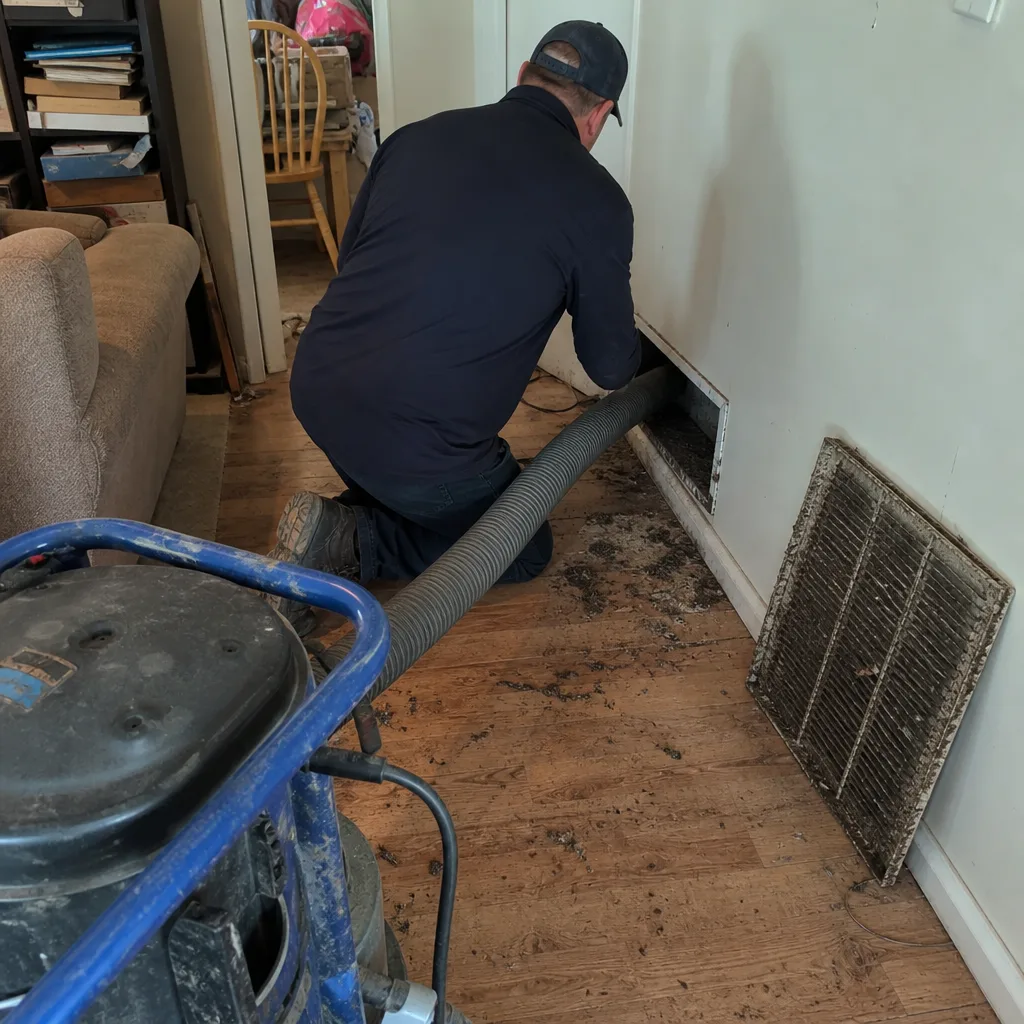
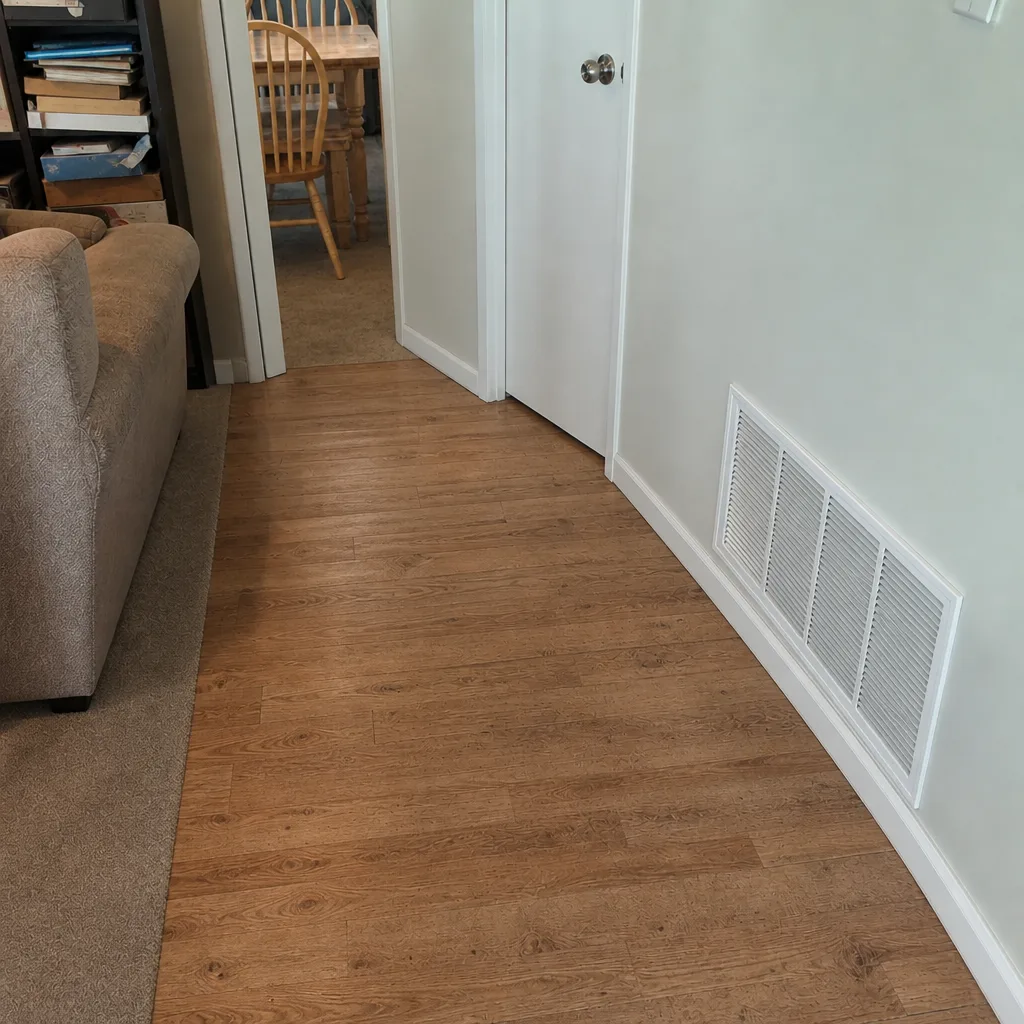
- Before-and-after photos of the duct interior as documentation.
- A treatment of airflow sequence that puts cleanliness last, not first, when evaluating complaints.
The Dryer Vent Problem That Gets Mistaken for an HVAC Issue
A dryer that takes two cycles to dry a load, or a lint buildup behind the dryer, or a laundry room that feels humid after a cycle, is a dryer vent problem, not an HVAC problem. Homeowners sometimes file it under “my ducts are clogged” because both involve a duct run, but the fix is separate and the safety stakes are higher.
A clogged dryer vent is a fire risk. Lint accumulates inside the vent line, the dryer runs hotter and longer to move the air, and the combination is a leading cause of residential fires. This isn’t an upsell. It’s a distinct service with its own equipment and its own scope, and it shouldn’t be folded into a general duct cleaning. If you can’t remember the last time your dryer vent was cleared, that’s the trigger to book it, regardless of what your HVAC ducts look like.
Signs to watch for:
- Clothes need more than one cycle to dry.
- The dryer exterior feels hot to the touch.
- The laundry area gets noticeably humid or warm during a cycle.
- Visible lint buildup behind the dryer or at the exterior vent hood.
- A burning or musty smell during dryer use.
None of these are airflow complaints you can resolve by cleaning HVAC ducts. They need the dryer vent line cleared as its own job, and the sooner the better.
Common Mistakes to Avoid
- Booking a cleaning as the first response to any dust complaint. Cleaning is a legitimate fix, but only for contamination. If your root cause is leakage or filtration bypass, cleaning doesn’t hold. Run the three-part test first.
- Ignoring the filter frame. A correct-size filter in a loose frame bypasses air around the media. Filter MERV rating and filter fit are two different checks, and in Denton’s clay and pollen seasons the fit check is the more important one.
- Skipping the return path inspection. Return-side contamination is behind a lot of cleaning failures. If the assessment only covers supply runs, the cleaning missed half the system.
- Cleaning with consumer-grade equipment. A shop-vac and hose loosen debris without containing it, and the material ends up in the room. Professional-grade equipment exists for a reason, and containment is the reason.
- Cleaning before repair. If the ducts have structural problems, cleaning first just means the repaired system has to be cleaned again. Repair first, then clean.
- Treating a dryer vent as part of the HVAC ducts. The dryer vent is its own line, with its own risks, and it deserves its own service call. Folding it into a general cleaning is how timing gets missed.
- Assuming airflow problems are always dirt problems. Dampers, crushed runs, disconnected boots, and blower condition all sit upstream of duct cleanliness. The order of checks is what saves money.
See the difference
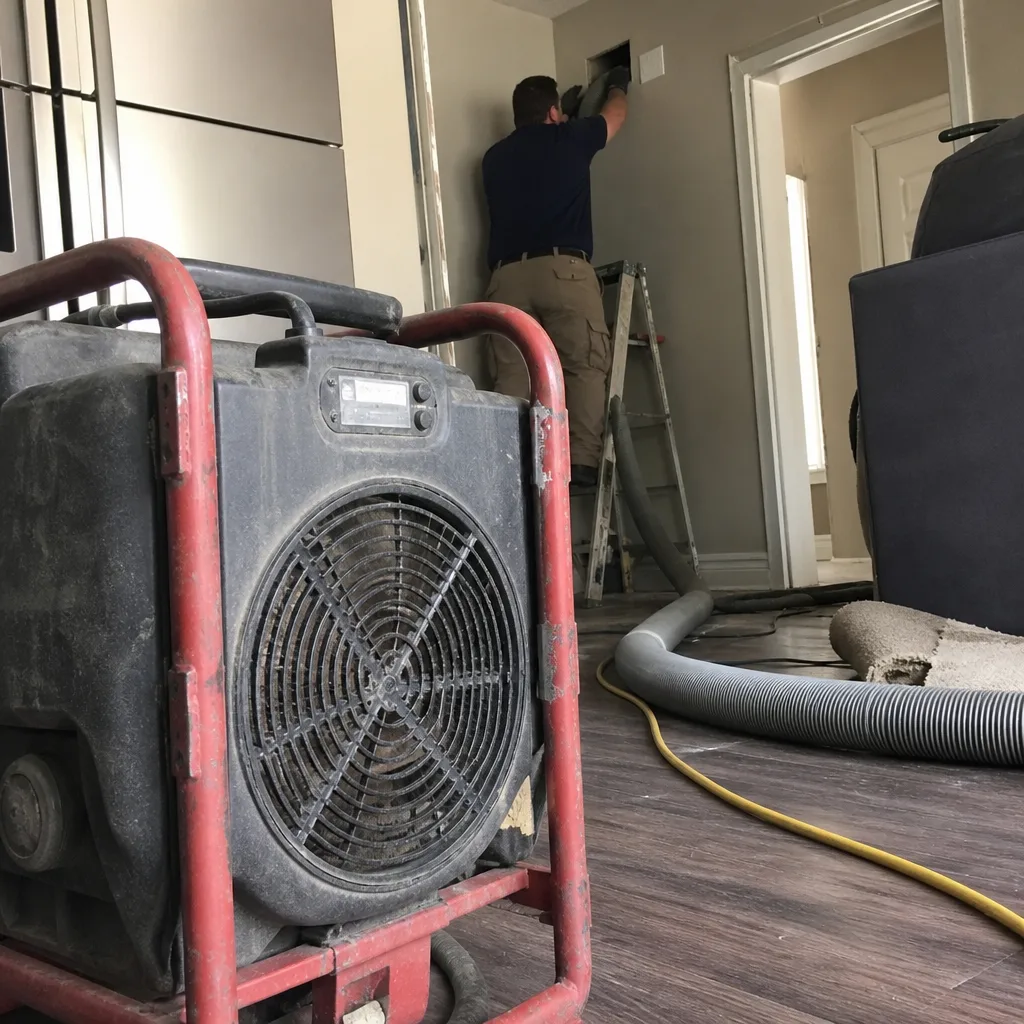 Before
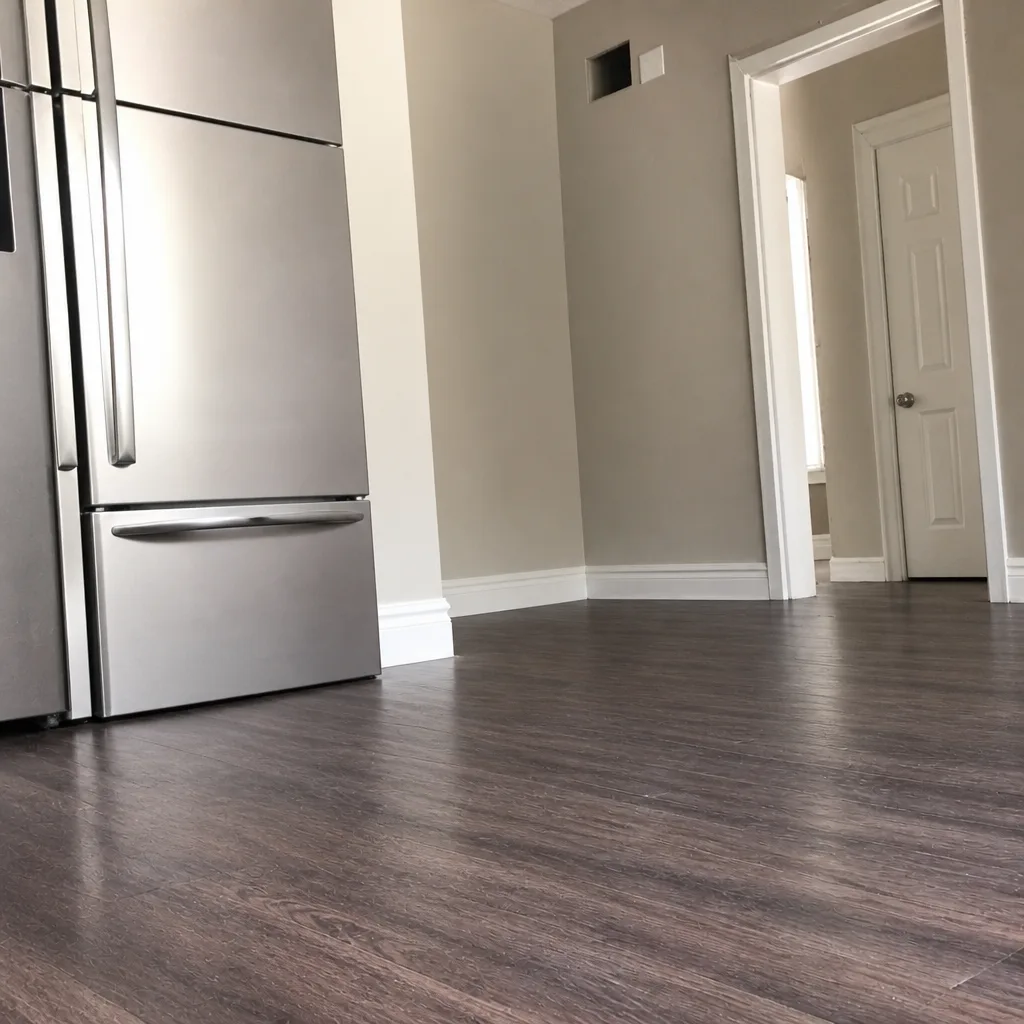 After
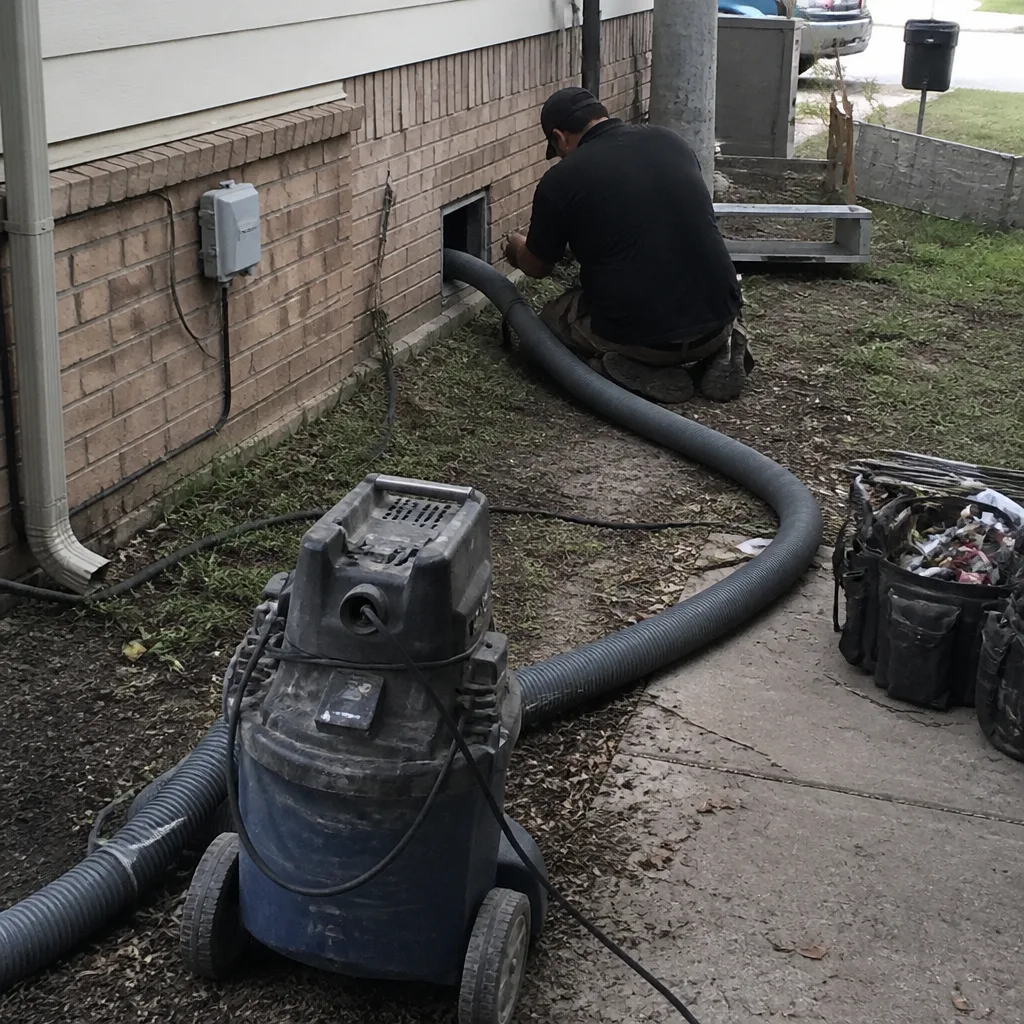 Before
 After
 Before
 After
When to Call a Professional
Call a professional when the answer to any of these is yes: you’ve had a cleaning in the last year and dust is back; you see visible debris or plumes from supply vents; the smell when the system runs is musty or earthy; airflow is uneven room to room after checking filters and returns; or your dryer takes more than one cycle to dry a load. Those conditions point to problems an inspection can resolve but a guess can’t. Duct Cleaning Denton offers free estimates in Denton – call (888) 890-4255. We answer 24/7. Fast dispatch from 7am to 7pm, Sunday through Friday. Our technicians have up to 11 years of experience, and the assessment starts with the full-scope walkthrough, not a recommendation. If you’re starting at the top, our Duct Cleaning Denton page lays out all three service categories. If you want the service list, our air duct cleaning page covers the cleaning scope. Both start with the same free estimate.
Frequently Asked Questions
Pricing is set per job by a written estimate, so the number depends on the size of your system, the number of runs, and whether repair is involved. We give the estimate on-site before work starts, and it’s free. Call (888) 890-4255 for an exact quote – estimates are free.
Cheap quotes often reflect consumer-grade equipment and a supply-only scope, which means the cleaning covers less and the containment is weaker. The real cost of a failed cleaning is doing it twice. Ask what equipment is being used, whether the return path is included, and whether containment protects the home during the work. If those answers are vague, the low quote isn’t a bargain. Call (888) 890-4255 for an estimate that spells out the scope.
Before-and-after photos of the duct interior answer that directly, and any professional-grade service should be willing to document the work. The photos are the record of what was cleaned and what it looked like afterward. Call (888) 890-4255 for a free estimate and ask about documentation.
There’s no fixed interval that fits every home. The honest answer is based on conditions: contamination confirmed by inspection, recent renovation, water intrusion, pet dander load, and whether the filter path is sound. A home with a correct filter and intact ductwork may go years without needing it. A home with a bypassing filter needs it more often, or won’t hold the cleaning at all. The assessment is free. Call (888) 890-4255 for one.
Denton’s clay soil and pollen seasons load the filter path faster than most climates do, so a filter that’s undersized or bypassing sends clay dust and pollen straight into the system. Rapid dust return after a cleaning usually points to filter bypass, return-side contamination, or duct leakage, not the cleaning itself. Our technicians have up to 11 years of experience with that specific failure pattern. Call (888) 890-4255 for a diagnosis.
It depends on whether your ducts have structural problems or are just dirty. Dirty ducts need cleaning. Damaged ducts with crushed runs, disconnected boots, or torn flex need repair and sealing. Systems with both need repair first, then cleaning, so the repaired system holds the result. Goodness is one thing, structure is another, and the two require different services. Call (888) 890-4255 for a free estimate that assesses both.
The Bottom Line
Most duct complaints that don’t resolve after cleaning were never contamination problems to begin with. Filtration bypass, duct leakage, and return-side contamination all produce the same dusty-vent symptom, and only a proper diagnostic sequence tells them apart. In Denton, clay dust and pollen seasons push more of that burden onto the filter path, which makes the filter-frame check the highest-value step you can take today. Check the filter fit first, then the return path, then the duct joints, and treat duct cleanliness last. That order is what saves money. When the answer is professional work, it’s a free estimate and a documented scope, not a guess.
Ready to stop guessing and start solving? Call Duct Cleaning Denton at (888) 890-4255 for a free estimate. We answer 24/7. Fast dispatch from 7am to 7pm, Sunday through Friday. We use professional-grade equipment, including Rotobrush rotary agitation and Nikro HEPA extraction, with Abatement Technologies containment to keep your home air protected during the job. Every system gets one clear assessment, a documented scope, and before-and-after photos you can actually see. We’re familiar with Honeywell and Aprilaire whole-home systems, and we repair what stops at cleaning. If your ducts are dirty, damaged, or you’re not sure which, that’s the exact conversation the estimate is for.
dryer vent cleaning is worth booking on the same visit if your dryer cycles are running long. And if you’re in the neighborhood and want the full area context, our Denton page has it.
Written by the team at Duct Cleaning Denton.