
Last updated November 15, 2026
 Whole-home duct cleaning
 Dryer vent cleaning
 Camera inspection
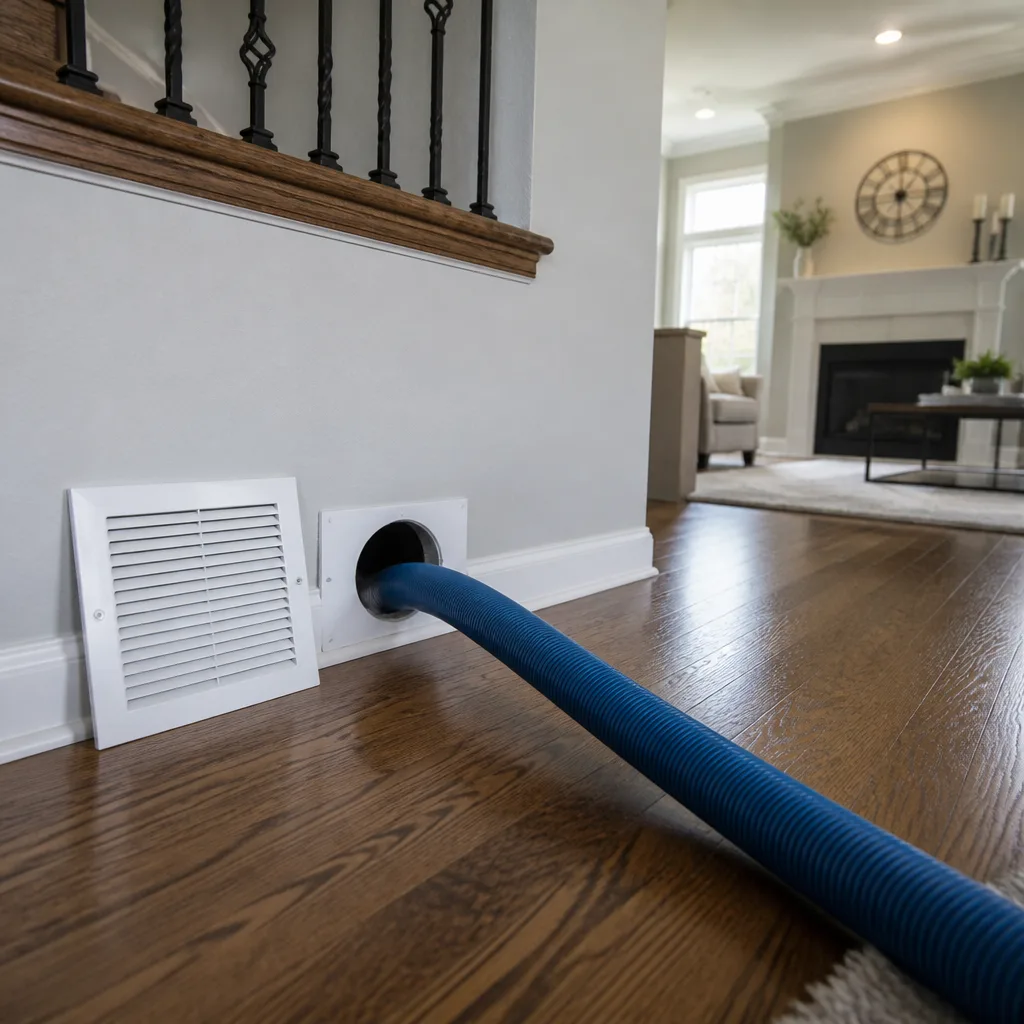 Sanitizing & deodorizing
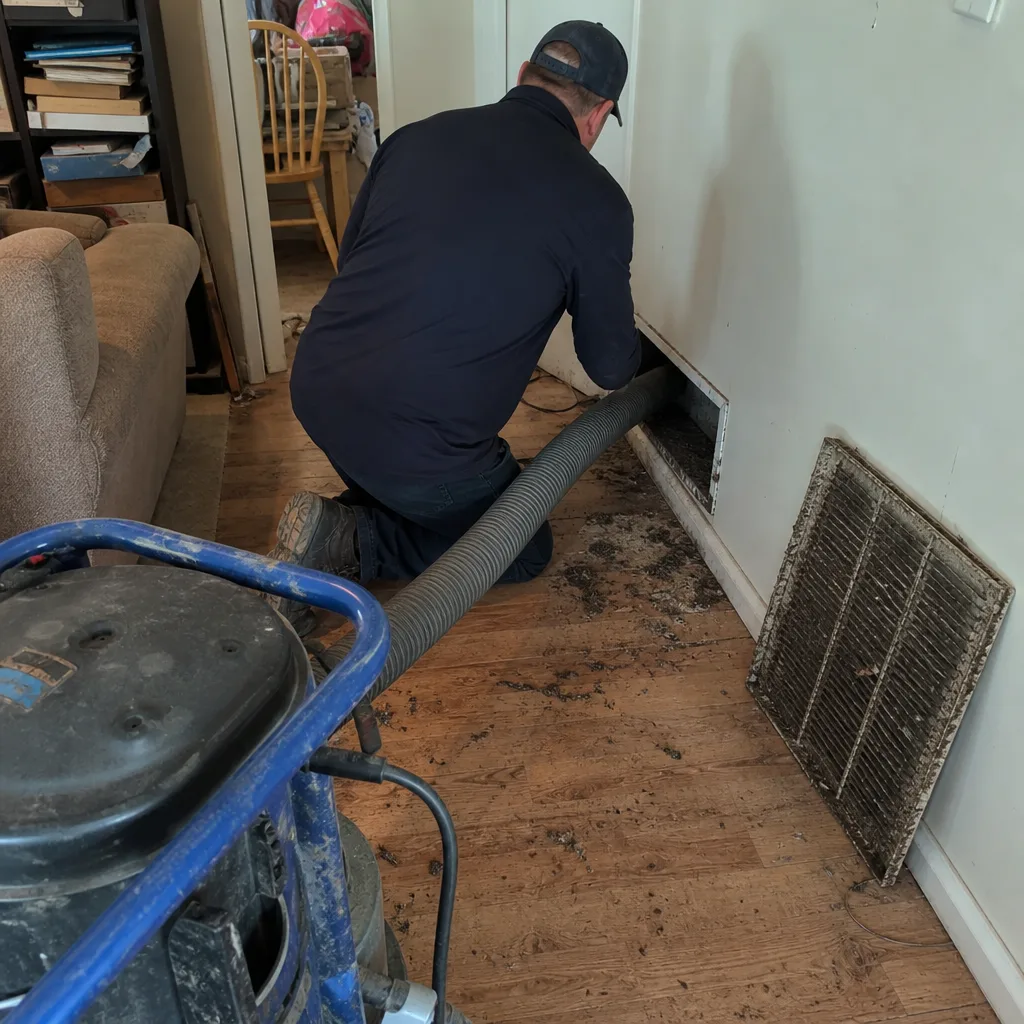
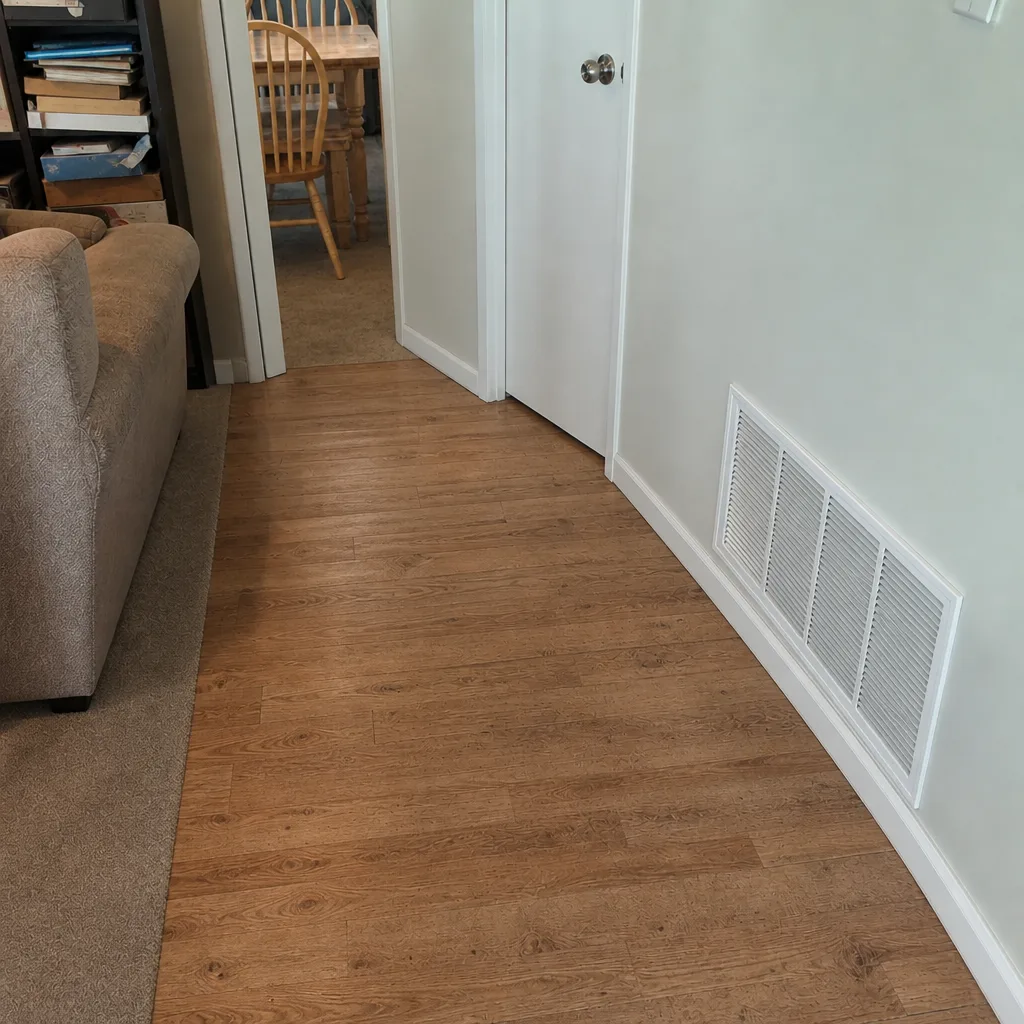
Whole-system duct and dryer vent check with before-and-after photos - you see exactly what came out of your vents
That "$99 whole-house special" is a bait ad - the real number appears once they are in your hallway, or the "clean" is a shop-vac at the register. We photograph the inside of your ducts before and after instead.
Air Duct Cleaning Maintenance Schedule: What to Do and When
The 3 to 5 year duct cleaning rule you’ve probably seen quoted everywhere is being asked to do a job it was never designed for. That figure came from broad indoor air guidance built around a baseline home: no pets, no smokers, standard filtration, no recent construction. Plenty of Denton homes don’t match that baseline. A house near Southridge with two shedding dogs, a MERV 8 filter that gets changed when someone remembers, and a kitchen remodel last spring isn’t the same system as a new build with no pets and a whole-home Aprilaire filter. Treating both the same is how homeowners either waste money on unnecessary cleanings or let a genuinely loaded system sit for years. This guide gives you a personalized interval framework instead of a single number: how to score your own household, what to check between visits, when North Texas seasons make timing matter, and what to log so the next cleaning is faster and more targeted.
Quick Answer
Most Denton homes need professional air duct cleaning somewhere between every 2 and 5 years, and the right interval for your house depends on four variables: pets, allergy or respiratory sensitivity in the household, your filter’s MERV rating and how faithfully it’s changed, and whether the home has had recent renovation or is older with original ductwork. A no-pet, well-filtered newer home can stretch toward 4 to 5 years; a multi-pet household with allergy sufferers or a recent remodel usually lands closer to every 2 to 3 years. Your inspection findings, not the calendar alone, should set the final number.
Styles & brands we work with
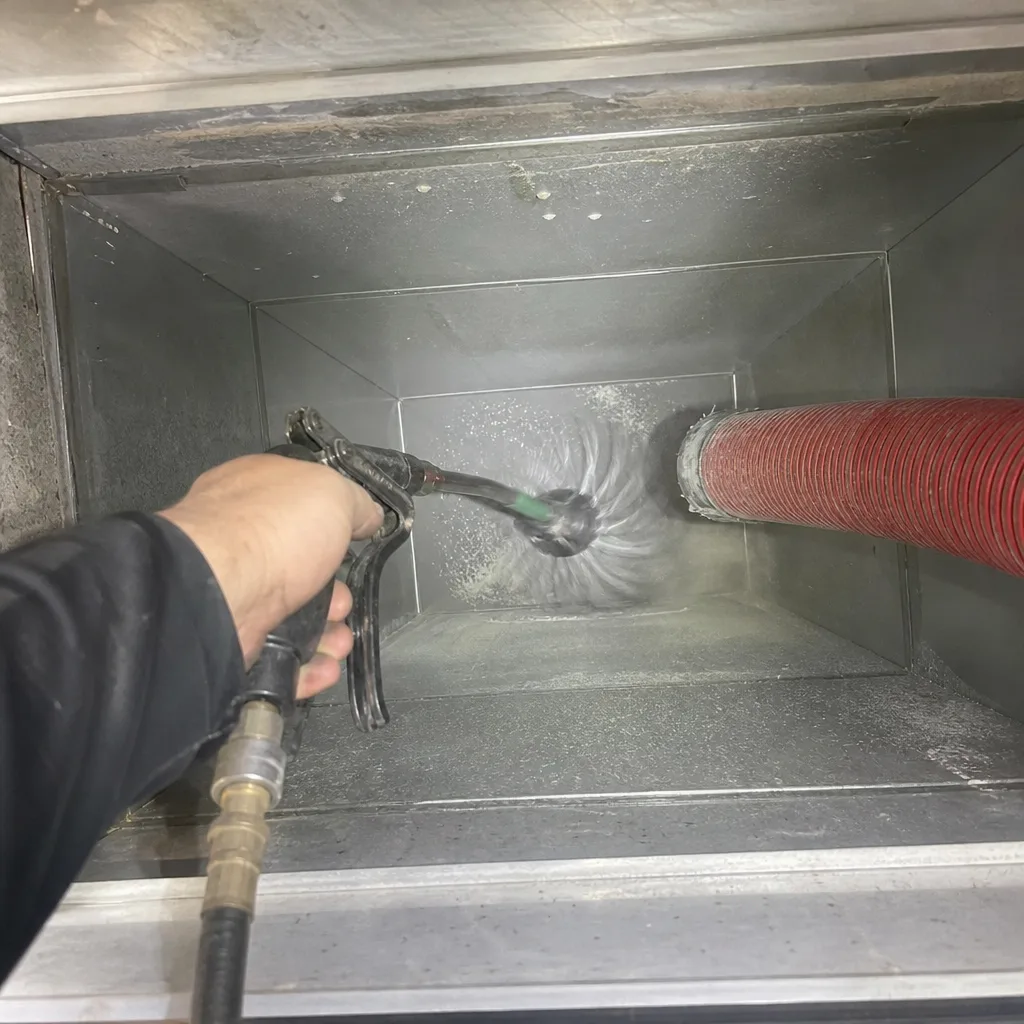
- Whole-home duct cleaning
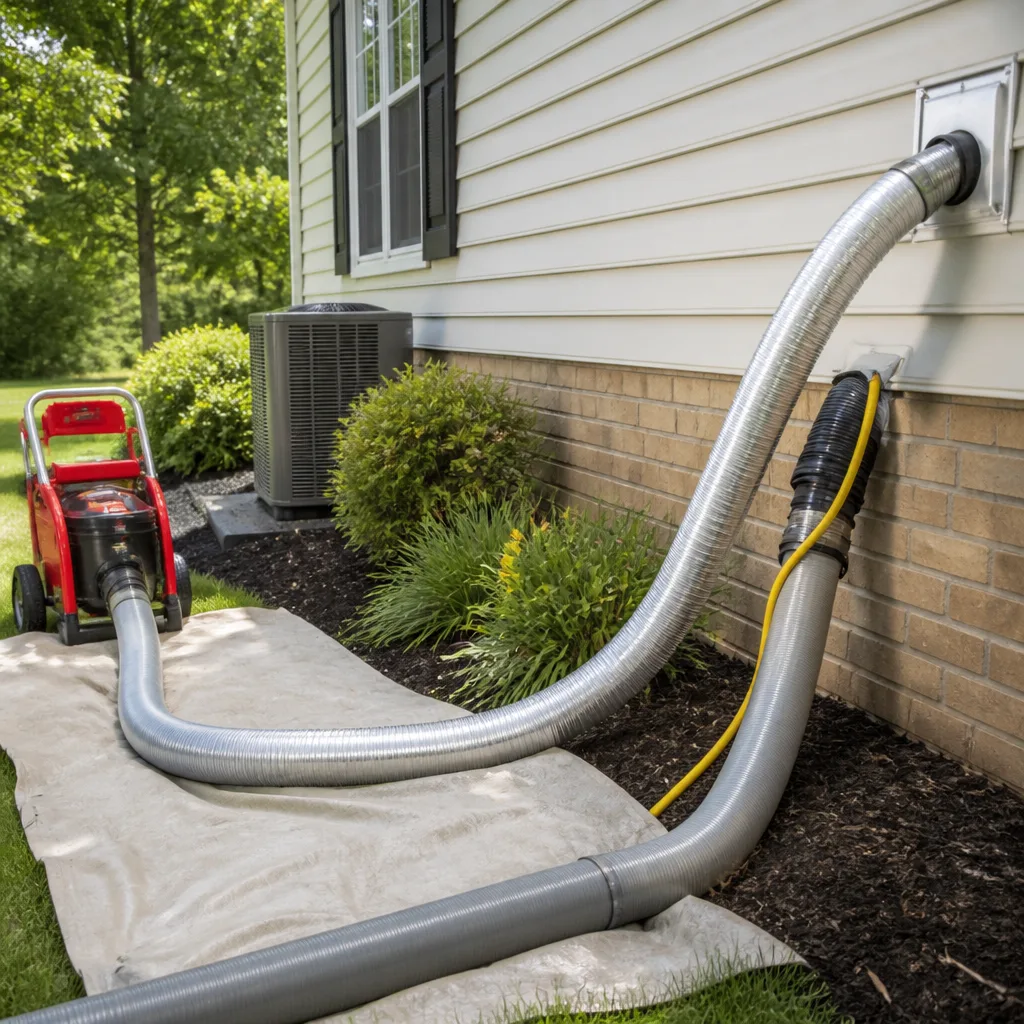
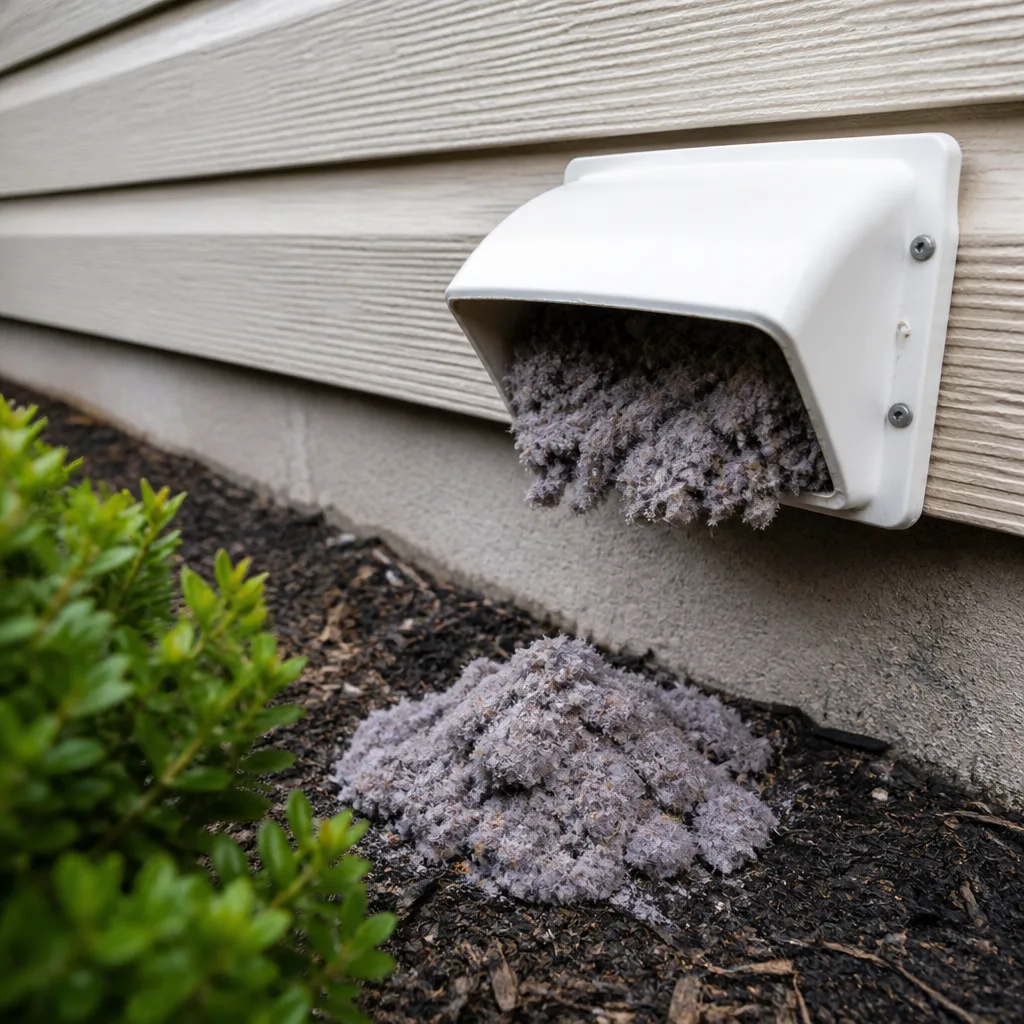
- Dryer vent cleaning
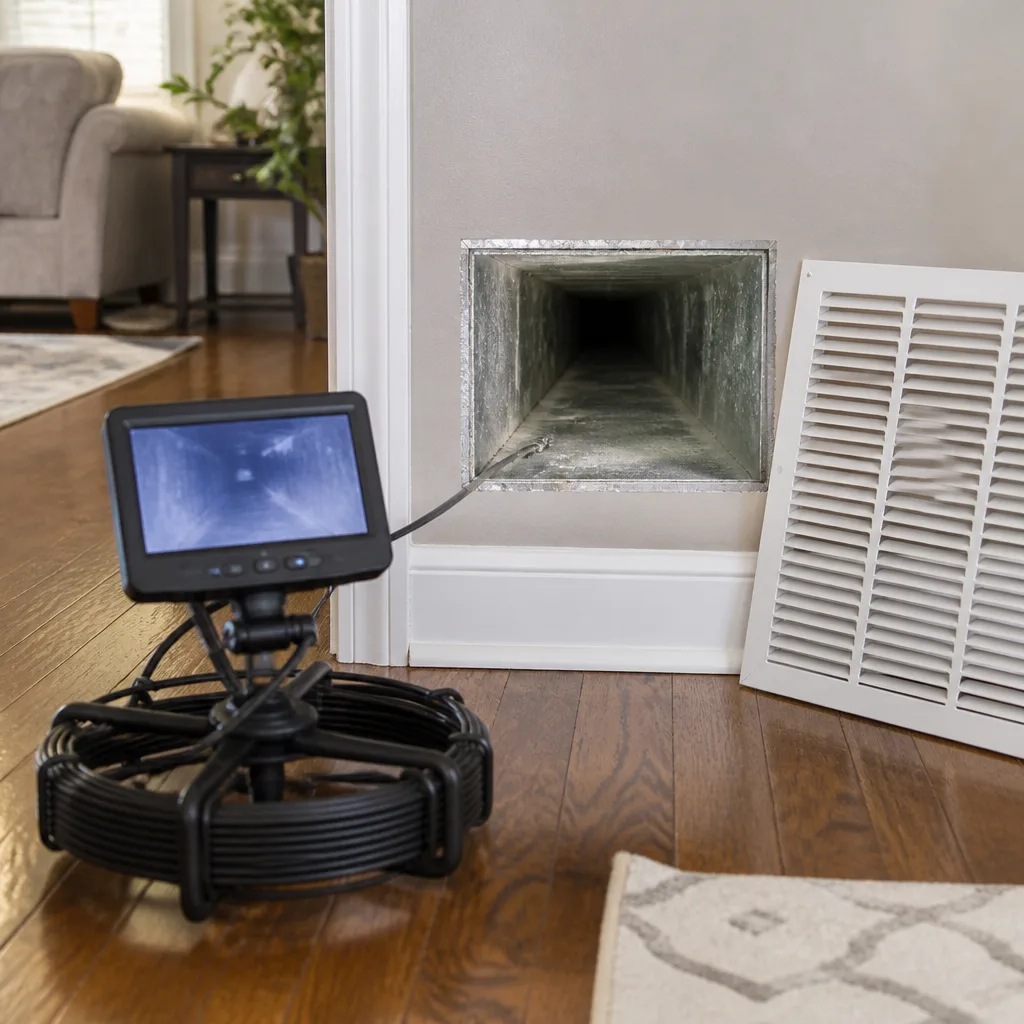
- Camera inspection
- Sanitizing & deodorizing
Table of Contents
- Why the Generic “Every 3 to 5 Years” Rule Falls Short
- Your Personal Risk Multiplier: The Variable-Interval Decision Matrix
- What to Inspect Between Professional Cleanings (A 15-Minute Check)
- North Texas Seasonal Timing: When to Schedule for Maximum Value
- Tasks That Extend Your Interval vs. Tasks That Give False Confidence
- Cleaning Isn’t Always the Whole Job: When Repair Comes First
- How to Build a Maintenance Log That Makes the Next Cleaning Smarter
- The Dryer Vent Schedule (It’s Separate, and It’s a Safety Issue)
Why the Generic “Every 3 to 5 Years” Rule Falls Short
A single interval can’t account for the things that actually load a duct system. Contamination accumulates at very different rates depending on what’s circulating through the house and how well the system filters it. The widely repeated 3 to 5 year figure is a reasonable midpoint, but a midpoint is a starting reference, not a diagnosis. Here’s what actually moves the number.
Pets. Dander and hair are fine, adhesive particles. They don’t blow straight through to the filter the way people assume. They settle on duct walls, especially on the return side where air moves slower. Two cats or a large dog can cut a homeowner’s realistic interval by a year or more.
Occupant sensitivity. A household with allergy sufferers, asthmatics, or young children has a lower tolerance for the same dust load that a healthy adult might never notice. The ducts aren’t dirtier; the margin for error is just smaller.
Filtration grade and discipline. A cheap fiberglass filter that gets changed twice a year protects the equipment, but it doesn’t capture the fine particulate that ends up coating duct surfaces. A higher-MERV filter changed on schedule does real work. We’ve seen homes with invested-in filtration systems hold a clean interval noticeably longer than neighbors with the same house and worse filter habits.
Home age and renovation history. Older Denton homes with original sheet metal ductwork often have seams, joints, and transitions that collect debris. Construction dust from a remodel is a heavy, one-time load that pushes a cleaning forward regardless of what the calendar says.
Put together, these variables explain why two houses on the same block can honestly need different schedules.
Your Personal Risk Multiplier: The Variable-Interval Decision Matrix
Instead of asking “how often should air ducts be cleaned in Denton, TX,” ask what your household’s risk score is. Score each factor below, add the points, and compare against the scale. It’s a simple way to translate your specific conditions into an interval you can actually plan around.
Score Your Household
- Pets: 0 pets = 0 points. 1 pet = 1 point. 2 or more pets, or any heavy-shedding breed = 2 points.
- Allergy or respiratory sensitivity in the household: none = 0. Seasonal allergies = 1. Asthma, chronic respiratory condition, or young children = 2.
- Filtration: MERV 11 or higher, changed on schedule = 0. MERV 8 changed regularly = 1. Basic fiberglass or erratic changes = 2.
- Home age and duct condition: newer home with sealed ductwork = 0. Mid-age home, no known issues = 1. Older home, original ducts, or known leaks = 2.
- Recent renovation or move-in: none in the last 2 years = 0. Light remodeling = 1. Major renovation, drywall work, or you’ve just bought an older home = 2.
- Smoking indoors or heavy candle/incense use: none = 0. Occasional = 1. Regular = 2.
Reading Your Score
- 0 to 3 points: A 4 to 5 year interval is realistic. Focus on filter discipline and a 15-minute visual check twice a year.
- 4 to 6 points: Plan on cleaning roughly every 3 years. Track filter changes and watch for visible dust at supply registers.
- 7 to 9 points: Every 2 to 3 years. This is the profile where allergy symptoms show up first and the ducts are the last place people think to look.
- 10 to 12 points: Every 2 years, with an inspection sooner if anything changes. A renovation or a new pet should pull the next cleaning forward, not wait for the calendar.
The score isn’t a substitute for looking inside the system. It’s a planning tool. An inspection confirms what the score suggests, and if the ducts look cleaner than expected you can extend the interval with confidence. If they look worse, you clean sooner and know why.
What to Inspect Between Professional Cleanings (A 15-Minute Check)
You don’t need tools or a ladder for most of this. A flashlight, a step stool, and 15 minutes twice a year (roughly at the spring and fall HVAC transitions) will tell you more about your duct health than any calendar reminder. If you have a whole-home Honeywell or Aprilaire filtration system, add a minute to check that its filter or media is seated properly and not overdue.
At the Supply Vents
- Remove one or two supply grilles in different rooms. Look at the inside of the boot (the short duct section behind the grille) with a flashlight.
- Run a clean white cloth along the inside surface. Light, even gray dust is normal. Dark, greasy, or sticky buildup, or visible debris clumps, means it’s time to look closer.
- Check for streaks or dark halos around the grille frame on the wall or ceiling. Those often point to a leak pulling dusty attic or wall-cavity air into the supply.
At the Return Grilles
Returns do the heavy lifting on dust accumulation because air moves slower there. Pull one return grille and look at the filter slot. If the filter is gray and matte rather than its original color, it’s loading faster than your change schedule assumes. Look past the filter at the duct floor for settled debris. A visible layer is your signal to move the next cleaning forward.
At the Filter Housing and Air Handler
Open the filter door and check that the filter is seated flat with no gaps around the edges. A filter that’s bypassing at the edges lets dust straight past it and into the system. Look at the blower compartment for dust buildup on the housing and blades. A blower coated in dust is working against itself, and that dust is coming from somewhere downstream of the filter.
Note what you see and when. That record is worth more than a vague memory at your next professional visit. When you’re ready for a full system evaluation, our air duct cleaning service includes a look at the whole run, not just what’s visible from the floor.
North Texas Seasonal Timing: When to Schedule for Maximum Value
Denton’s climate shapes when cleaning delivers the most benefit. Winters mild, summers long and hot, springs windy with a heavy pollen load, and falls where the thermostat flips between cooling and heating. That cycle has two natural windows.
Schedule After the Spring Pollen Peak
Pollen season in North Texas is a real load. A great deal of it enters the return system through open windows, door seals, and the outdoor intake. Cleaning before pollen season means you start fresh and then load up. Cleaning after the peak means you clear out what settled in during it, then enter summer with a clean system doing the heavy lifting of cooling season. Late spring or early summer is the sweet spot for most households.
Use the Fall HVAC Transition
When the system switches from cooling to heating, airflow paths and patterns change. Air that was riding cool through the supply runs now moves differently, and any dust settled on the duct floor can get disturbed. A fall cleaning, before that switch, clears out the summer’s accumulation and gets the system ready for heating season. Fall is also when we see the highest volume of calls in Denton, so scheduling earlier in the season is easier than waiting.
Consider Your Household’s Trigger Events
Renovations, move-ins, and new pets should override seasonal timing. If you’re doing drywall work, schedule the cleaning after the work is done and the dust has settled, not before. If you’ve just moved into an older Denton home, an inspection and cleaning in those first months tells you exactly what you’re working with going forward.
For a broader look at what a professional cleaning actually involves and how the schedule fits around our Duct Cleaning Denton service, that’s the piece to read next. Our technicians have up to 11 years of experience with systems of every vintage and configuration around Denton.
Tasks That Extend Your Interval vs. Tasks That Give False Confidence
Not every maintenance habit is worth the same. Some genuinely slow the contamination clock. Others just move dust around and make you feel like you’ve addressed the problem. Here’s the honest split.
What Actually Extends the Interval
- Changing filters on schedule with the right MERV rating. This is the single highest-leverage task. Match the filter to your system, don’t just grab whatever’s cheapest, and don’t run a high-MERV filter your blower can’t handle well. Changing it too seldom wastes the investment; changing it too often wastes money for no gain.
- Sealing leaks in the duct system. A leaky return pulls dusty attic or crawlspace air in and loads the whole run downstream. Sealing those leaks reduces the contamination rate permanently.
- Keeping returns clear of obstructions. Furniture, rugs, and storage boxes pressed against return grilles restrict airflow and change where dust settles.
- Managing renovation dust at the source. Zip walls, temporary filtering, and running the system less during heavy dust work keeps the ducts cleaner going into the job.
- Running the system’s filtration properly. If you’ve invested in a whole-home Aprilaire or Honeywell setup, keep the media current. Those systems are designed to work hard, but they can’t work if the media is overdue.
What Gives False Confidence
- Wiping the visible grille face. The grille is the least contaminated surface in the system. Wiping it clean tells you nothing about what’s behind it.
- Running a consumer-grade vac up to the register. A shop vac or handheld attachment can’t reach the duct interior, and in some cases it dislodges debris without containing it.
- Spraying air freshener into a return. This masks odor without touching the source, and in some cases adds residue to surfaces that are already loaded.
- Trusting a “sanitizing” service in place of mechanical cleaning. Chemical treatments without agitation and extraction don’t remove the dirt. The surface may look clean but the load is still there.
Compared with the visual record from a proper inspection, that’s the only real measure of whether the interval is holding.
Cleaning Isn’t Always the Whole Job: When Repair Comes First
There’s a scenario that no schedule accounts for: a duct system that’s clean but leaky. If a return is disconnected in the attic, or a boot has separated from the grille behind the drywall, or a flexible duct run has collapsed, cleaning runs through a system that will immediately pull the same debris back in. That’s why we repair what others just clean around. Our air duct repair work is often done on the same visit as a cleaning so the whole system is sound before the cleaning is finished.
What to look for between visits:
- Dust streaks on walls or ceilings around a grille (indicating air leaking around the boot)
- Uneven airflow between rooms that used to be balanced
- Whistling or whooshing sounds at a specific register
- Warm or cool spots that follow the duct runs in the attic or crawlspace
- Visible disconnected duct in the attic, garage, or crawlspace if you can safely see it
If you find any of these, an inspection comes before the cleaning. A cleaning on a system with a real leak is money spent on a problem that will come right back.
How to Build a Maintenance Log That Makes the Next Cleaning Smarter
The homeowners who get the most value out of a professional cleaning are usually the ones with a simple record of what their system has been doing. Not a spreadsheet with columns of numbers. A page in a notebook or a note on your phone that answers a few questions when the technician arrives.
What to Track
- Filter changes: the date and the MERV rating. Even a two-line note per change.
- Professional cleanings and inspections: the date and what the technician found. Ask for a short written summary. We provide before-and-after photos of your own ducts as part of the work, which are worth keeping.
- Renovations and disruptions: any drywall, flooring, or major work that generated dust. Note when it happened and whether the system was run during the work.
- Pet and occupant changes: new pets, new babies, new family members with allergies. Those change your risk score, and they should change the interval.
- Symptoms and observations: a sudden uptick in allergy symptoms indoors, dark streaks at a register, a room that’s stopped cooling evenly. Date each one.
- Filter housing and equipment notes: the model of your filtration system (Honeywell and Aprilaire are common) and the media part number, if you know it.
What It Buys You
When it’s time for the next cleaning, nobody has to guess when the last one happened or what was found. The technician can target the inspection instead of starting cold. Your next cleaning gets faster, the estimate is more accurate because it reflects your actual system, and you avoid cleaning on a schedule that doesn’t match your house. A home with a cleaner cleaning history is easier to keep clean.
The Dryer Vent Schedule (It’s Separate, and It’s a Safety Issue)
Dryer vent cleaning is a different job with a different schedule and a different reason. The reason is fire safety. Lint accumulation in the vent run restricts airflow, overheats the dryer, and creates one of the leading causes of residential fires. The schedule isn’t about clean air. It’s about not burning your house down.
When to Have the Dryer Vent Cleaned
- Once a year as a baseline, for most households
- Every 6 months if you do heavy laundry volume (large families, frequent towel and bedding loads)
- Sooner if your dryer takes longer than one cycle to dry a load, or the top of the dryer feels hot during a cycle
- Sooner if you notice the exterior vent flap doesn’t open fully, or you see lint accumulating around the exterior vent hood
- Immediately if you smell burning or the dryer shuts off mid-cycle with a thermal trip
This isn’t a task to be folded into the annual duct cleaning and forgotten until the next one. It’s a dedicated visit on its own cycle, because the risk is different in kind. Our dryer vent cleaning is a standalone service with its own schedule for exactly that reason.
Common Mistakes to Avoid
- Treating 3 to 5 years as a rule that applies to every house. It’s a midpoint, not a prescription. Two Denton homes the same age can honestly need different intervals. Score your own household before picking a date.
- Cleaning before inspecting. A cleaning on a system with a leak or a disconnected run just redistributes debris that will come back. Inspection comes first, every time.
- Wiping grille faces and calling it maintenance. The grille is the cleanest part of the system. Wiping it removes almost nothing that matters. Check inside the boot and at the filter housing instead.
- Running a high-MERV filter in a system that can’t handle it. A filter rated higher than your blower was designed for can restrict airflow and cause its own problems. Match the filter to the system, not to the label on the box.
- Ignoring renovation dust. Drywall work and flooring replacement generate a load that isn’t visible for weeks. If you’ve renovated, plan a cleaning after the work is finished and dust has settled, not before.
- Skipping the dryer vent because “the ducts got cleaned.” Dryer vents are a separate system with a separate fire-safety purpose. They need their own schedule, not a ride-along.
- Relying on a vague memory instead of a log. When you can’t remember when the last cleaning was or what was found, you either clean too often or too seldom. A simple page of notes solves that.
See the difference
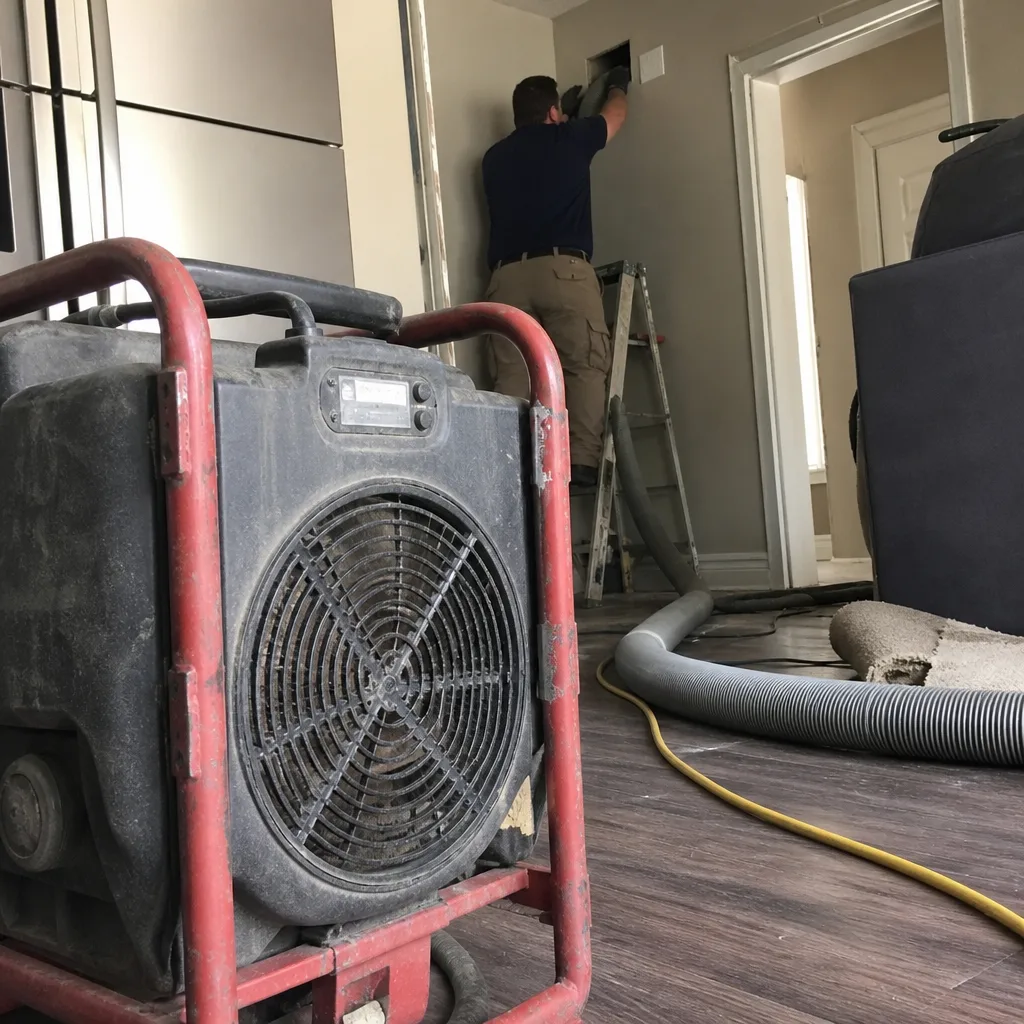 Before
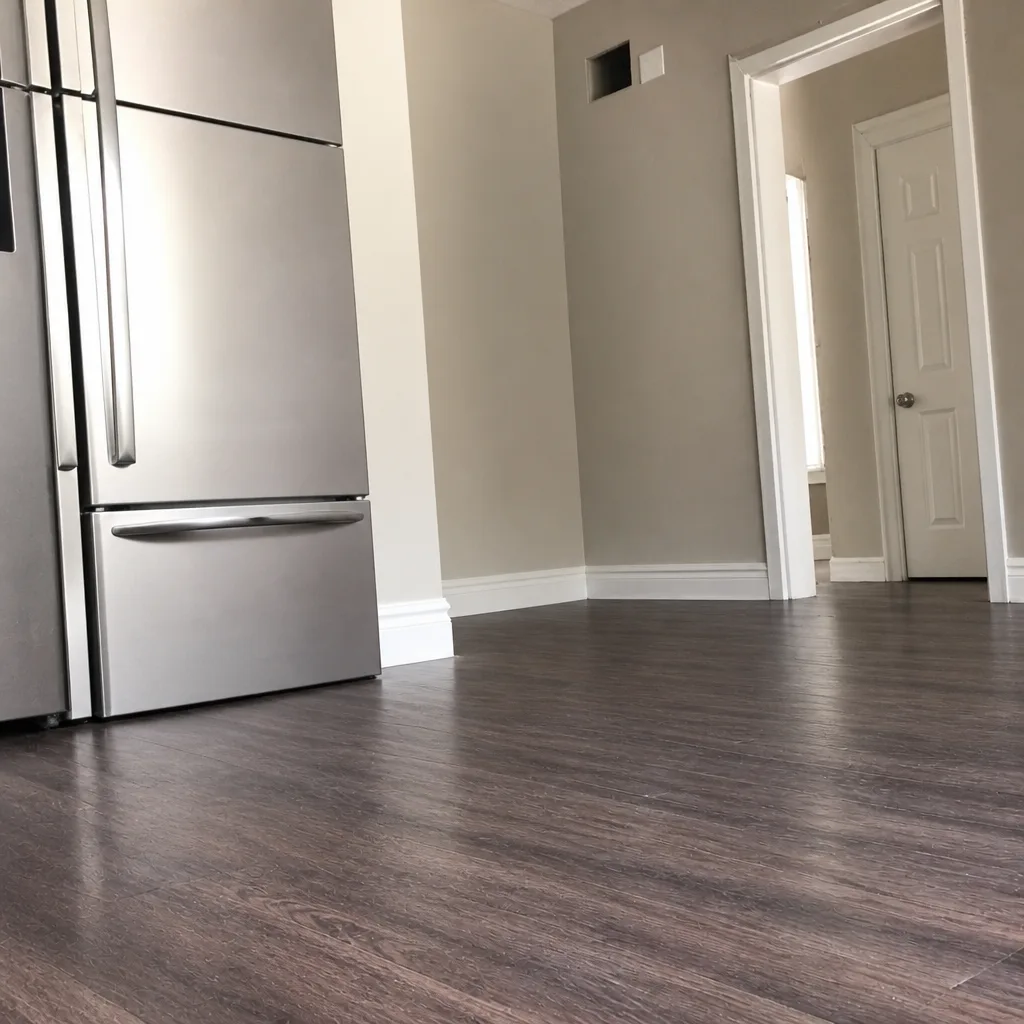 After
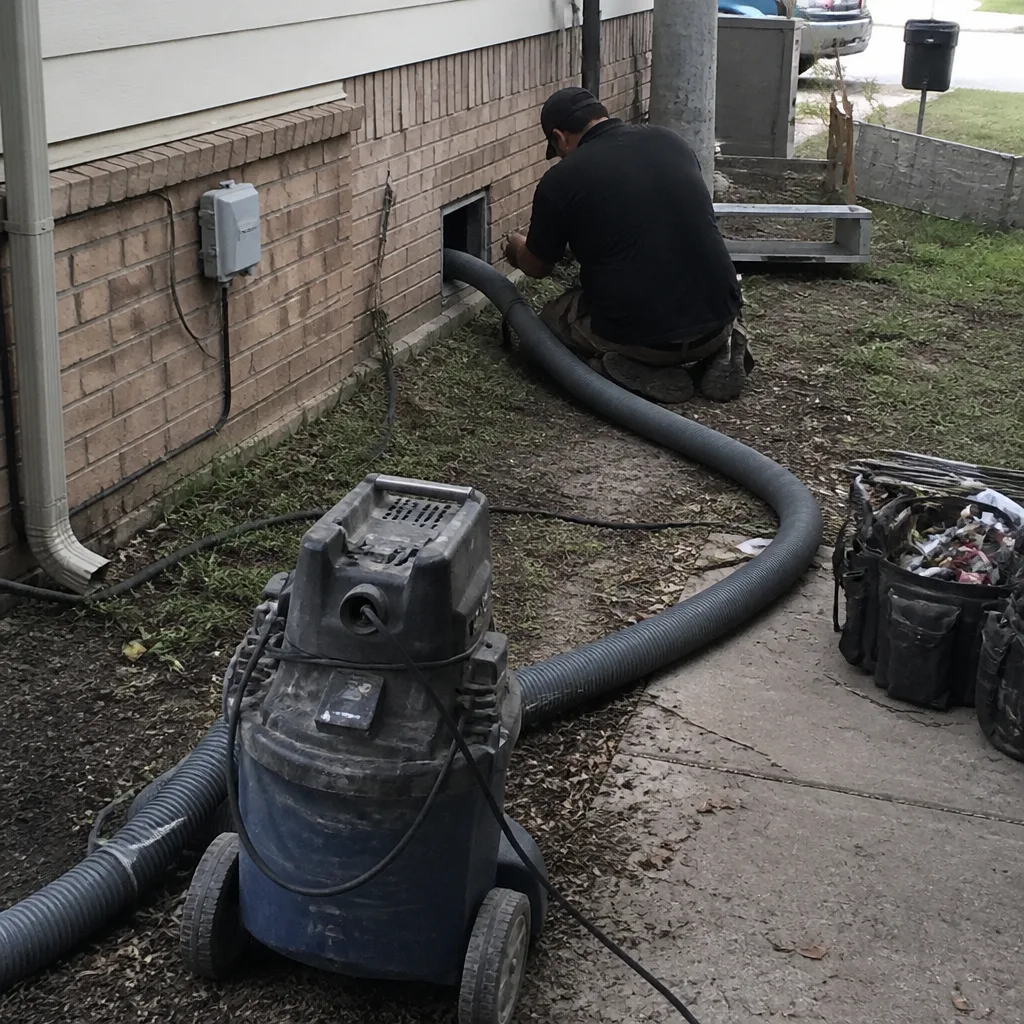 Before
 After
 Before
 After
When to Call a Professional
Some signs call for a scheduled cleaning, and some call for an inspection first. Call us for an inspection if you’ve just bought or renovated a Denton home, if you’ve noticed a persistent indoor dust film on surfaces shortly after cleaning, if airflow to a room has dropped for no clear reason, if you see streaks around a return, or if allergy symptoms indoors spike and stay up. Schedule a cleaning if your household risk score puts you in the every 2 to 3 year range and the last professional cleaning is past due. Call for the dryer vent if the dryer is taking more than one cycle to dry a load, the exterior flap isn’t fully opening, or the top of the dryer runs hot during a cycle. Duct Cleaning Denton offers free estimates in Denton – call (888) 890-4255. We answer 24/7. Fast dispatch, 7am-7pm, Sunday through Friday.
Frequently Asked Questions
Most Denton homes need professional cleaning every 2 to 5 years, with the exact interval set by your household risk score (pets, allergies, filter grade, home age, renovation history). A no-pet, well-filtered newer home usually lands closer to 4 to 5 years, while a multi-pet or allergy-sensitive household is closer to 2 to 3 years. A visual inspection confirms where you actually sit on that scale. Call (888) 890-4255 for an exact quote – estimates are free.
The 3 to 5 year figure is a baseline for a home with no pets, no smokers, standard filtration, and no recent construction. Most Denton homes don’t match that baseline. Pets, allergy sensitivity, filtration quality, home age, and renovation activity all shift the real interval in either direction. Score your household and let the inspection confirm the number.
Visible loading behind a supply boot, dust streaks around a return grille, a filter that loads faster than its change schedule assumes, or visible debris on the duct floor past the filter slot are all reliable signs. A proper inspection confirms what’s inside the run. Call (888) 890-4255 to schedule one – estimates are free.
Yes, within limits. On-schedule filter changes with the right MERV rating, sealing duct leaks, keeping returns clear, and managing renovation dust all reduce the contamination rate. Wiping grilles and spot-cleaning with a consumer vac do not. The mechanical agitation and contained extraction of professional equipment do the work a household tool can’t.
No. Dryer vent cleaning is on its own cycle – once a year as a baseline, every 6 months for heavy laundry volume, and sooner if the dryer is taking more than one cycle to dry or running hot. It’s a fire-safety task with a different purpose than duct cleaning. Call (888) 890-4255 for a dryer vent estimate – estimates are free.
After, and after the dust from the work has settled. Cleaning before a renovation just means the ducts reload during the work. If you’ve already renovated and the cleaning wasn’t done afterward, schedule an inspection so you know how loaded the system actually is. Call (888) 890-4255 – estimates are free.
The Bottom Line
The single most useful thing you can do for your duct system is stop treating the calendar as the schedule. Score your household on pets, allergies, filtration, home age, and renovation history, then use that score to set a realistic interval and check it against what an inspection actually finds. Inspect twice a year, log what you see, time the professional cleaning around spring pollen and the fall HVAC transition, and keep the dryer vent on its own separate fire-safety cycle. That framework does more for your indoor air than any general rule. When you’re ready for a professional look, our team is familiar with Rotobrush and Nikro equipment for contained removal, Abatement Technologies negative-air practices to protect your home during the work, and Honeywell and Aprilaire filtration setups so the cleaning integrates with what you’ve already invested in. Call (888) 890-4255 for a free estimate. We answer 24/7. Fast dispatch, 7am-7pm, Sunday through Friday.
Written by the team at Duct Cleaning Denton.