
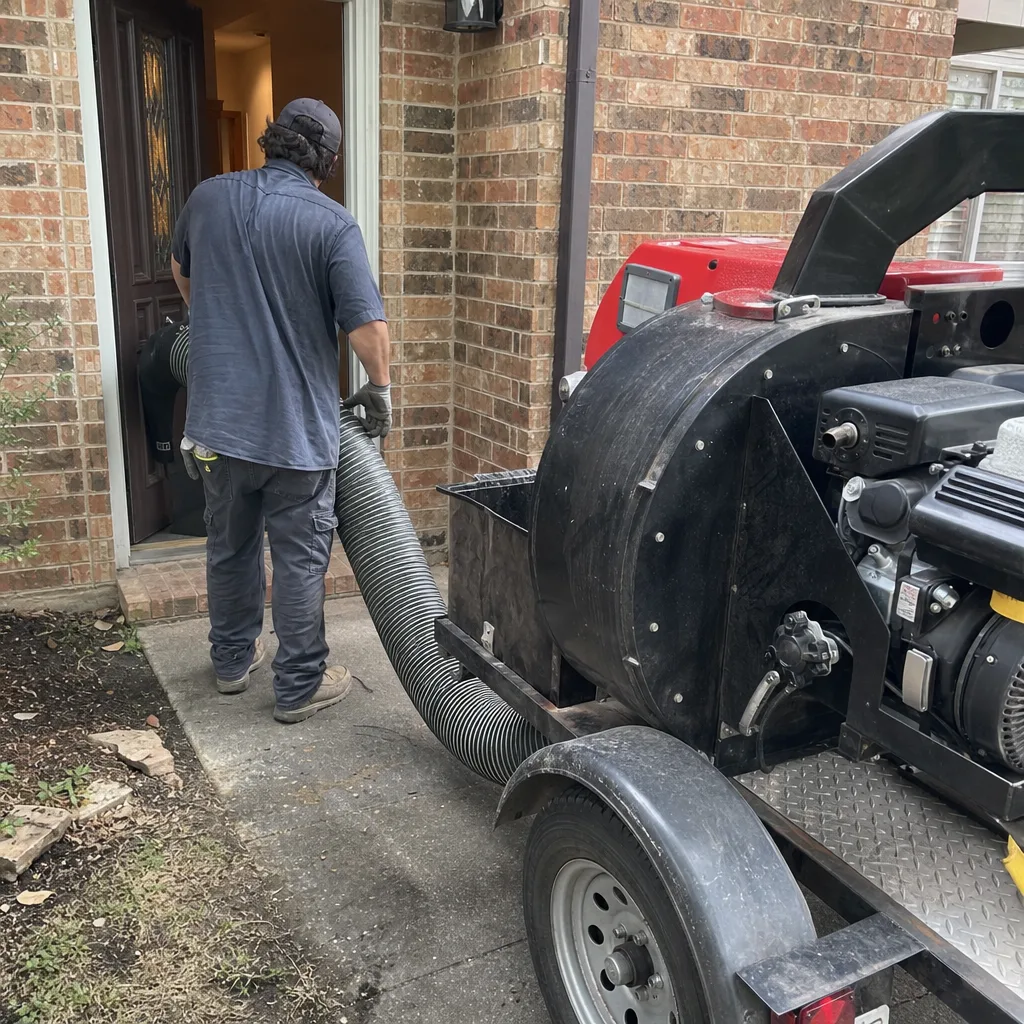
Last updated November 15, 2026
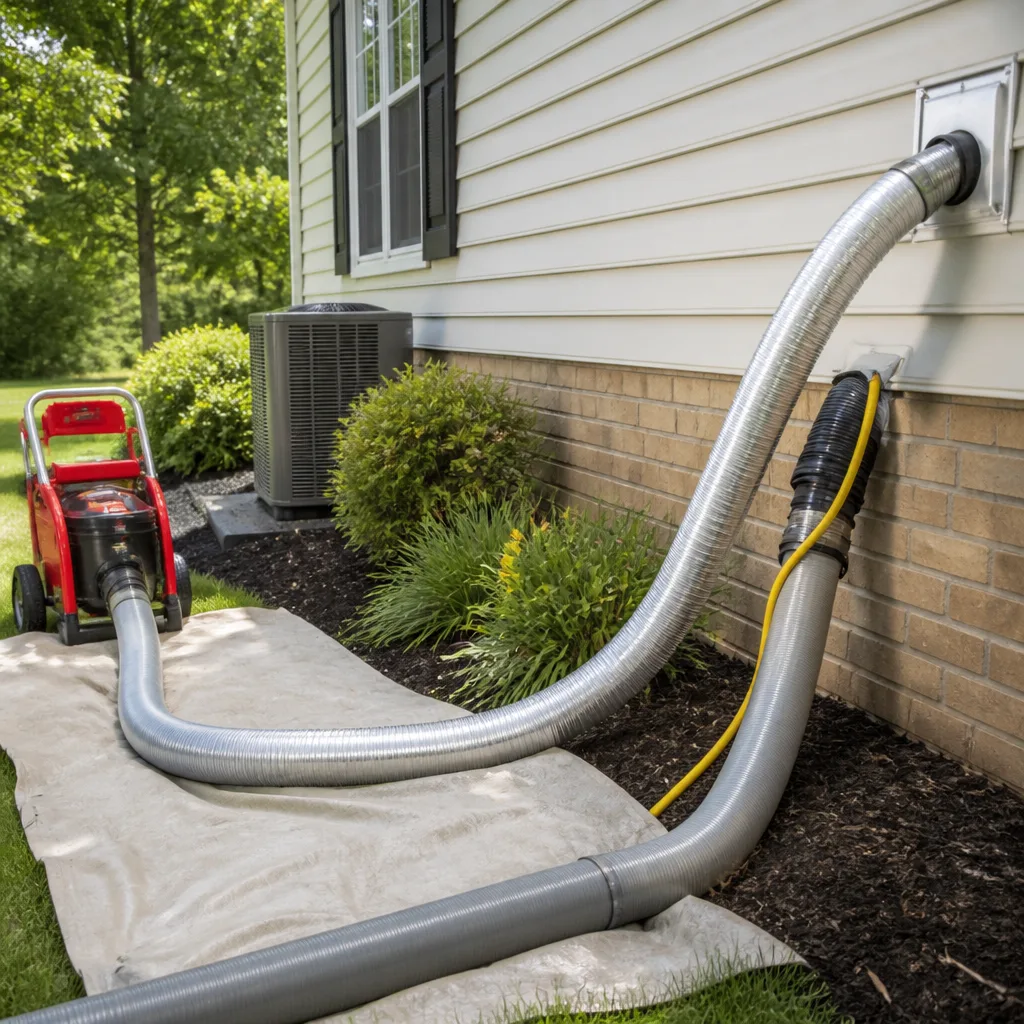 Whole-home duct cleaning
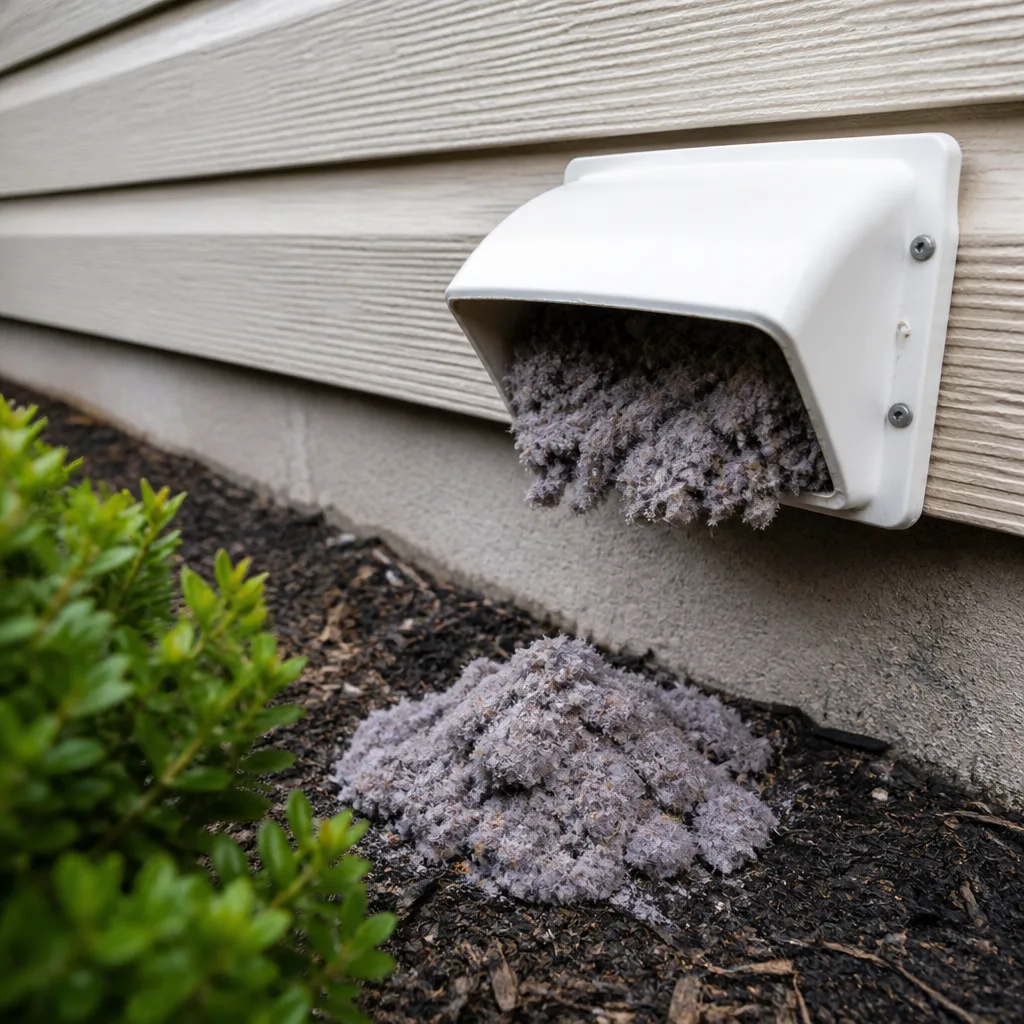 Dryer vent cleaning
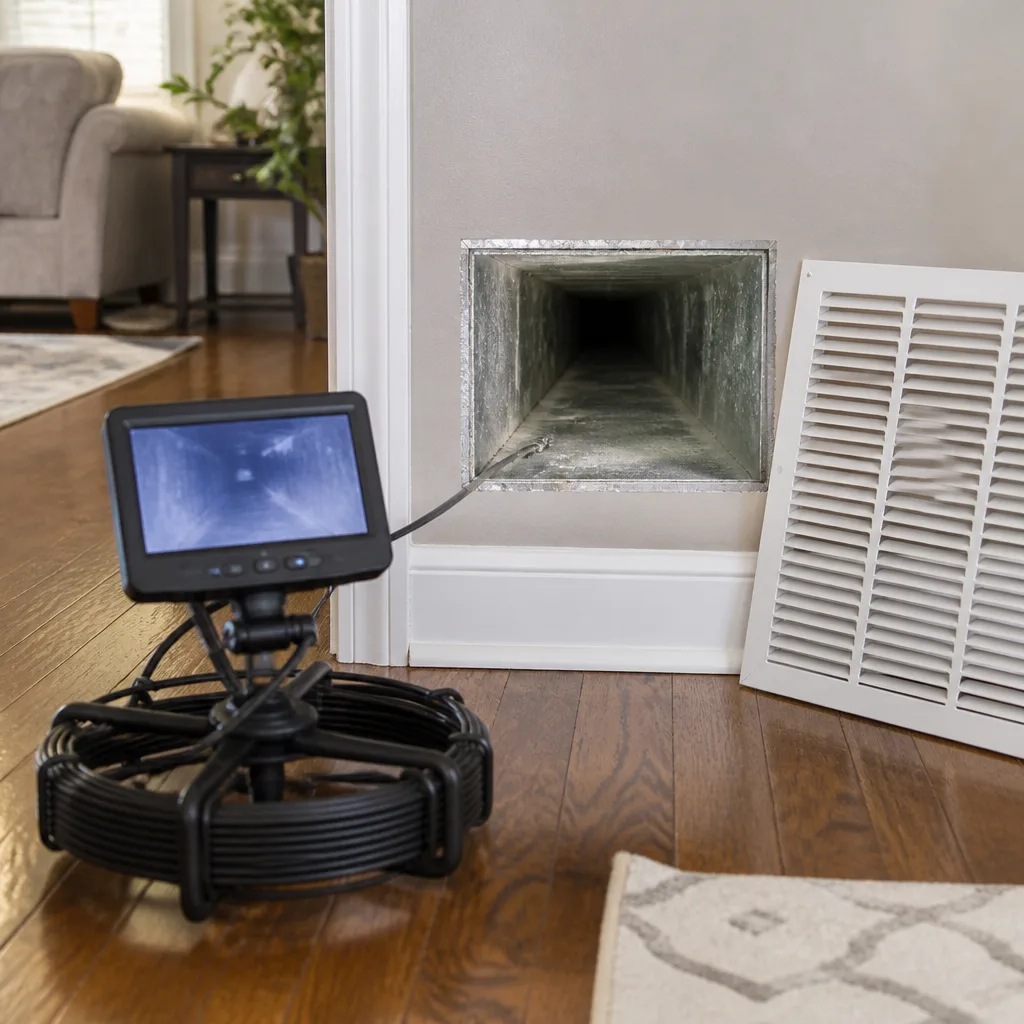 Camera inspection
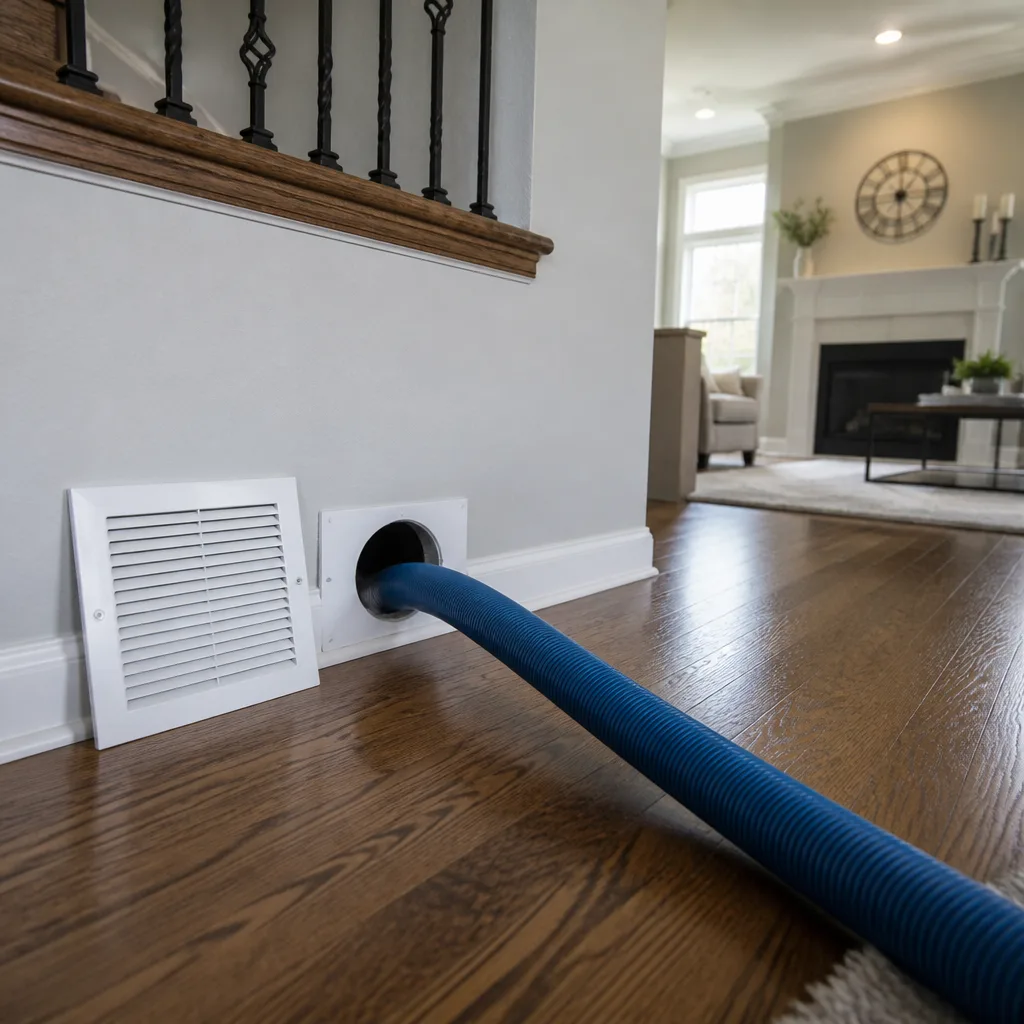 Sanitizing & deodorizing
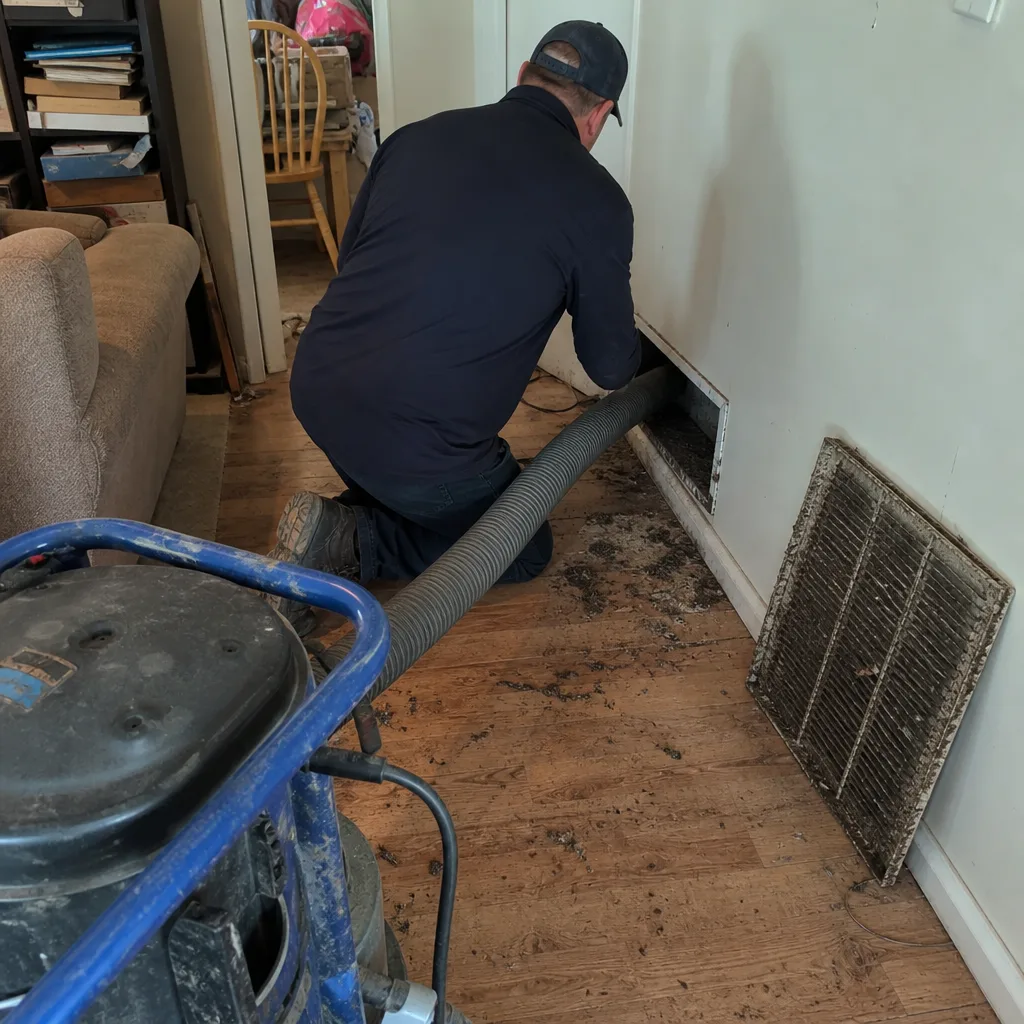
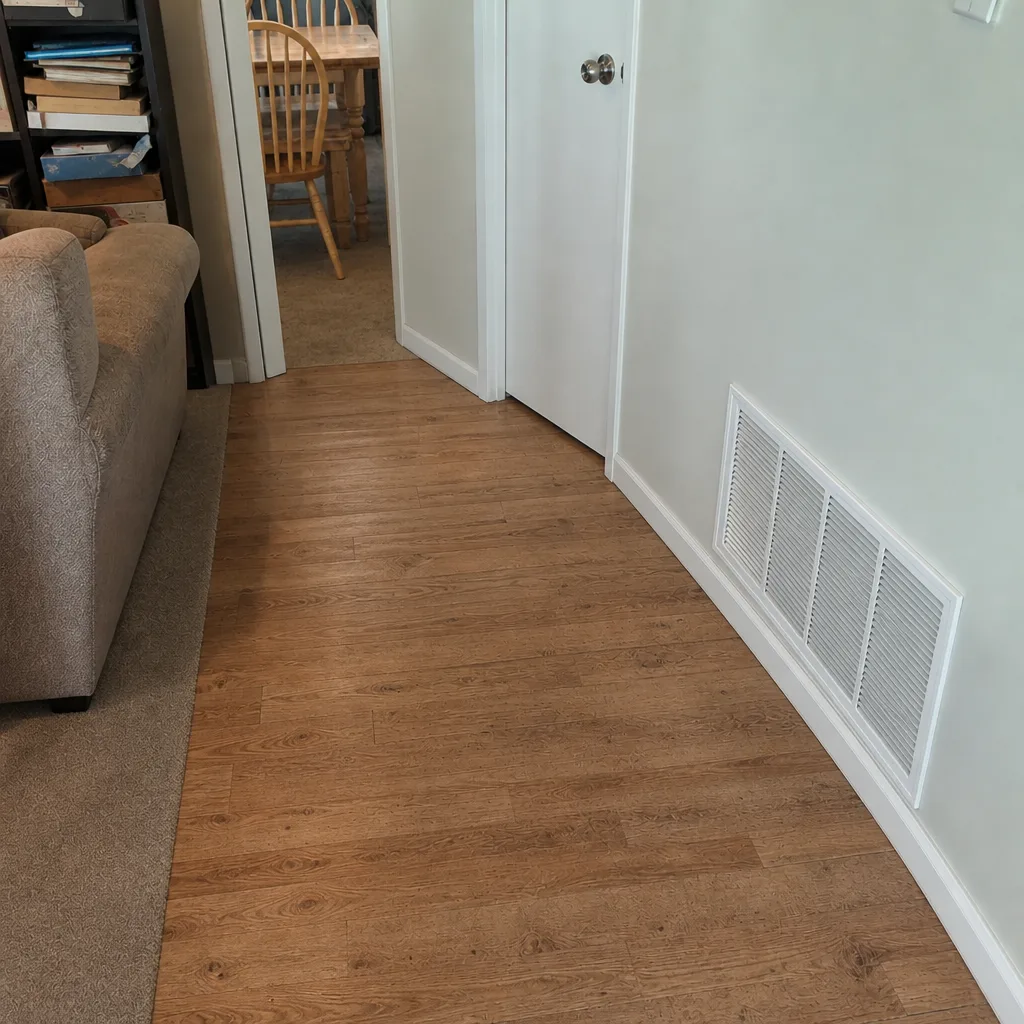
Whole-system duct and dryer vent check with before-and-after photos - you see exactly what came out of your vents
That "$99 whole-house special" is a bait ad - the real number appears once they are in your hallway, or the "clean" is a shop-vac at the register. We photograph the inside of your ducts before and after instead.
Air Duct Cleaning Cost Breakdown: The Denton Homeowner’s Reference for 2026
The $149 whole-house duct cleaning special and the $650 professional restoration quote are not competing prices for the same service. They’re prices for two different physical processes that happen to share the same name on a mailer. One is a vacuum pass over the registers; the other is a contained, mechanically agitated, verified cleaning of the entire system. Understanding that distinction is worth more than any coupon code you’ll ever clip. This guide breaks down what a legitimate full-system clean actually includes in Denton, where the real cost drivers sit in our housing stock, which add-ons earn their keep, and how to read a stack of competing quotes so you’re comparing scope instead of just bottom-line numbers.
Styles & brands we work with
- Whole-home duct cleaning
- Dryer vent cleaning
- Camera inspection
- Sanitizing & deodorizing
Quick Answer
Air duct cleaning in Denton in 2026 typically runs $350 to $650 for a standard whole-house system, with smaller systems and single-return homes landing near $250 to $350 and larger or heavily contaminated systems reaching $800 to $1,200 or more. The $89 to $149 “whole-house special” is usually a register-and-grille vacuuming, not a full-system clean. The written estimate, itemized by scope, sets the final price.
Table of Contents
- Why Two Quotes for the Same House Can Differ by Hundreds of Dollars
- What a Legitimate Full-System Clean Includes: A 2026 Line-Item Breakdown
- How Square Footage Pricing Actually Works (And Where It Breaks Down)
- Denton Housing Stock: Crawlspaces, Attic Runs, and Older Ductwork
- Add-Ons With Real ROI Versus Add-Ons That Just Add Up
- How to Read Competing Quotes: Normalizing the Scope Gap
- Dryer Vent Cleaning: The Safety Service That Belongs in the Budget
- Common Mistakes to Avoid
- When to Call a Professional
- Frequently Asked Questions
- The Bottom Line
Why Two Quotes for the Same House Can Differ by Hundreds of Dollars
Start with the equipment. A $149 special is usually run with a portable shop-style vacuum and a whip hose fed through the registers. It pulls loose dust from the first few feet of each branch and leaves the plenum, the trunk line, and the settled debris in the horizontal runs untouched. You paid for a service, the technician performed a service, and the ductwork is functionally in the same condition it was that morning. That’s not fraud in every case. It’s a different, shallower scope.
A professional-grade clean looks nothing like that. The systems built for restoration and remediation work – the kind used after water damage or smoke events – are designed around three things: contained negative pressure, mechanical agitation, and verification. Containment means the dislodged debris goes into a HEPA-filtered vacuum, not into the living room air. Agitation means a rotary brush actually scrubs the duct walls, because settled dust bonds to the metal and flexible liner over time and doesn’t release on suction alone. Verification means someone looks inside the system before they leave.
Here’s the short version of why the price gap exists:
- Equipment cost: A Nikro HEPA vacuum and a Rotobrush rotary brush system cost a contractor multiples of what a shop vacuum does. That cost gets absorbed across jobs.
- Labor hours: A register vacuuming can be done in an hour. A full-system clean with containment, access cuts, agitation, and verification is a half-day to full-day job on a typical Denton house.
- Scope of access: Cutting proper access points, resealing them, and pulling every register takes real time. Skipping access is where cheap quotes save their money.
- Liability: A contractor using Abatement Technologies negative-air equipment and carrying proper insurance is building cost into the quote that a shop-vac operator isn’t.
None of that means the $650 quote is automatically right for you. It means the number tells you nothing until you know what’s inside it. That’s the whole point of this guide. If you want to see how we frame the scope itself, our air duct cleaning page walks through the process step by step.
What a Legitimate Full-System Clean Includes: A 2026 Line-Item Breakdown
A full-system clean itemized honestly has seven steps. Not every home needs all seven at full weight, but a provider that skips two or three of them and still quotes you a “whole-house” price is selling a smaller job. Use this as the checklist you hold quotes against.
- System inspection and scope confirmation. Before anything is touched, we map the duct layout, note the number of returns and supply runs, check for disconnected or crushed sections, and confirm whether the system has a central plenum or a spider configuration. This is also where we spot duct problems that turn into repair work.
- Register and grille removal. Every supply and return register comes off, not just the ones in the main rooms. Registers are washed separately; the duct openings get taped or capped so debris can’t fall back in.
- Access point cutting. Proper cleaning needs access to the trunk line and the branch runs, and that usually means cutting small openings (typically 4-inch to 8-inch) into the duct at strategic points. These get capped and sealed with mastic or approved tape afterward. If a quote doesn’t mention access cuts, ask how they plan to reach the trunk.
- Negative pressure setup. The collection vacuum connects to the system at a main access point, and the whole duct network is put under negative pressure. That’s what keeps dislodged debris from blowing into the house. This is the piece that matters most for allergy sufferers, pet owners, and anyone with kids in the home.
- Mechanical agitation. A rotary brush or air whip is fed through each branch and the trunk, scrubbing the walls while the vacuum pulls. The brush does the work suction can’t. On flexible duct, softer agitation tools are used to avoid damaging the liner.
- Coil and blower compartment cleaning (where accessible and included). The evaporator coil sits right at the air handler and collects dust before the supply side of the system. Cleaning it is often priced separately; confirm whether it’s in the quote.
- Post-service verification. Before-and-after photos of your own ducts, and in many cases a look inside with a camera, confirm the work was actually done. This is the step that separates a real clean from a cosmetic one.
Our technicians have up to 11 years of experience pulling apart systems across Denton, and the range of what shows up behind a register still surprises us. The reason we run restoration-grade gear – Nikro and Rotobrush for vacuum and agitation, Abatement Technologies for containment – isn’t marketing. It’s that the shallow jobs don’t hold up when you look back at the inside of the duct six months later.
How Square Footage Pricing Actually Works (And Where It Breaks Down)
Square footage is a rough proxy for ductwork volume, and that’s all it is. A 2,400 square-foot home in Denton is going to be quoted more than a 1,800 square-foot home most of the time, but not because of the floor area itself. It’s because bigger homes tend to have more supply runs, longer trunk lines, and more returns, which means more agitation time and more access points. When a provider quotes purely on square feet without looking at the layout, they’re guessing.
What actually moves the number on a typical Denton system:
- Number of supply and return runs. A house with 14 supplies and 3 returns takes longer than a house with 9 supplies and 1 return of the same floor area.
- Duct configuration. A central trunk-and-branch design is faster to clean than a spider or radial layout where every run is its own leg off the plenum.
- Duct material. Rigid metal cleans differently from flexible duct. Flexible liner needs gentler agitation and sometimes replacement rather than cleaning if it’s collapsed or torn.
- Access difficulty. Runs buried in a tight attic or a shallow crawlspace add labor hours that floor area can’t capture.
- Prior maintenance history. A system cleaned in the last three years takes less time than one that’s been running since the house was built. Older homes with years of settled debris cost more to bring back.
The honest pricing model is per system, quoted on layout after inspection, not per register and not strictly per square foot. Any provider quoting per-vent is putting a number on the page before they’ve seen the job. That’s also the model that encourages upselling extra vents. We quote a flat price for the system, agree it in writing before work starts, and deliver the before-and-after photos of your own ducts so you can verify what was done.
Denton Housing Stock: Crawlspaces, Attic Runs, and Older Ductwork
Denton has an unusually wide mix of housing for a city its size, and that mix bends duct cleaning prices in ways a generic national pricing chart can’t see. The three factors that come up most:
Pier-and-beam crawlspace access
A meaningful share of older Denton neighborhoods sit on pier-and-beam foundations, which means part or all of the duct system runs underneath the house in a crawlspace. Crawlspace work costs more than attic work on the same footage, because access is tighter, the space is lower, and technicians are working in constrained conditions for hours at a stretch. Crawlspace ductwork is also more likely to have disconnected joints, sagging sections, or rodent intrusion – problems that turn into duct repair once we’re under the house. Expect a premium on crawlspace-heavy layouts, and expect some providers to skip the crawlspace run entirely to keep their quoted number where they want it.
Attic duct systems in sustained heat
Most newer Denton construction routes the duct system through the attic. Denton summers are long and hot, which means attic ducts bake for months, and the flexible liner in those runs can degrade faster than the home’s interior ducting. Attic work also tests containment: a cleaning done without proper negative pressure in a 130-plus degree attic can push dust straight into living spaces below. Abatement Technologies negative-air equipment matters more here, not less. Ask any provider how they contain debris during attic work.
Older homes with modified ductwork
Renovations, additions, and HVAC replacements over the years leave behind a patchwork of duct modifications. A run that was extended into a converted garage, a return that was rerouted when the kitchen was redone, a section of flexible duct spliced into an original metal trunk – all of this is normal in older Denton homes, and all of it adds inspection and handling time. Sometimes the honest answer is that cleaning alone won’t fix the airflow, and the system needs repair before cleaning makes sense. Duct Cleaning Denton handles air duct repair alongside cleaning for exactly that reason; the goal is a sealed, properly configured system, not a cleaned one that still leaks. Learn more about the full scope on our Duct Cleaning Denton home page.
Add-Ons With Real ROI Versus Add-Ons That Just Add Up
Add-ons are where duct cleaning pricing gets muddy, and where a $400 quote can balloon to $1,100 before the technician puts his tools away. Some add-ons genuinely improve your system or your safety. Others are sold because they have good margins. The split is predictable.
Add-ons worth the spend
- Dryer vent cleaning. Lint buildup in a dryer vent is a documented fire risk, and the vent is one of the few parts of a home that gets worse the longer it’s ignored. The cost is modest, the safety return is high, and it’s a genuinely separate system from the HVAC ducts. If you’re already getting ducts done, it’s the one add-on we’d push every time. Also, it’s the one that can save a life.
- Coil cleaning. The evaporator coil sits right where dust from the return side of the system collects, and a fouled coil reduces cooling efficiency and strains the compressor. If the coil is accessible and the system hasn’t been cleaned recently, cleaning it usually pays back.
- Air duct repair. If we find disconnected joints, crushed runs, or torn flexible liner, repair is not really an optional add-on – it’s a fix that makes the cleaning hold. A clean system that leaks is going to be a dirty system again soon.
Add-ons to question
- Aerosol sealants applied without diagnostics. Aerosol duct sealing has its place, but it needs to follow a proper leak assessment. Applied as a blanket upsell without knowing where the leaks are, it’s an expensive coating.
- Ozone treatments and “air sanitizing.” Ozone is a respiratory irritant, and its effect on duct systems doesn’t justify routine use. If a provider leads with ozone as a standard line item, ask what problem it’s solving.
- Antimicrobial fogging on every job. Useful in specific circumstances, not something to apply as a default on every home.
If you have a Honeywell or Aprilaire whole-home system installed – filtration, humidification, or both – let the technician know before they start. Those systems have component-specific handling, filter media that isn’t in the standard ductwork, and controls that shouldn’t be disturbed during cleaning. Familiarity with those products makes the difference between a clean job and a costly mistake.
How to Read Competing Quotes: Normalizing the Scope Gap
When you have two or three quotes in front of you for the “same” service, the instinct is to compare the bottom-line numbers. Don’t. The numbers are the least informative part. What you want is to force each provider to spell out scope, and then compare scope-to-scope. That’s how you find whether the $149 quote and the $650 quote are even in the same conversation.
- Ask what equipment they use. “What kind of vacuum and what kind of agitation tools?” A real answer names the equipment (rotary brush system, HEPA vacuum, negative-air unit). A vague answer is a signal.
- Ask whether they cut access points. “How do you access the trunk line?” If the answer is “through the registers,” you’re getting register vacuuming, not a full-system clean.
- Ask how they contain debris. “How do you prevent dust from blowing into the house?” The answer should reference negative pressure or a collection setup at a main access point.
- Ask whether the price is per system or per register. If per-register, ask for the per-system equivalent. Any quote that only works per-register is a teaser number.
- Ask what verification you’ll receive. Before-and-after photos of your own ducts is the standard. If they can’t describe how they verify the work, assume it isn’t verified.
- Ask what’s excluded. Coil cleaning, dryer vent, duct repair – anything they list as extra should be priced as extra in the quote. Hidden extras are how a $149 special becomes a $400 final.
- Ask what happens if they find a problem. A disconnected joint, a crushed run, a colony of dust in a dead-end – what’s the process for documenting it and pricing the fix?
Run each provider through that list. The provider that answers all seven cleanly is the one whose quote actually reflects the work. The one that dodges two or three has told you everything you need to know. If you want a written estimate structured that way, we’re happy to build one. Call (888) 890-4255 for a free estimate.
Dryer Vent Cleaning: The Safety Service That Belongs in the Budget
When we look at a homeowner’s duct-cleaning invoice, the line that should never be optional is dryer vent cleaning. It’s the one service in the whole category where the risk isn’t dirty air – it’s fire. Lint is highly flammable, and it accumulates inside the vent line regardless of how careful you are with the dryer. It’s also the service that most often gets ignored because the dryer “still works,” which is exactly the problem: a vent that’s partially blocked still dries clothes, just slowly and hot.
The signs a vent needs attention:
- Clothes take noticeably longer to dry than they used to.
- The dryer feels hot to the touch during a cycle, or the top of the dryer is warm after a normal load.
- The exterior vent flap doesn’t open strongly, or lint is visible around the outside hood.
- There’s a musty smell in the laundry room after a cycle.
- The vent hasn’t been cleaned since the house was built, or since you moved in.
Dryer vent cleaning is a separate scope from HVAC duct cleaning, involves different tools, and needs to be priced on the run itself – a short straight run is quick; a long run with multiple elbows and a roof or sidewall exit takes more time. Treat it as a fire-safety service, not a nice-to-have. Duct Cleaning Denton offers it as its own dedicated service rather than a bundled afterthought, and we’d rather quote it separately and honestly than pad a duct clean to bury it.
Common Mistakes to Avoid
- Assuming the cheapest quote is a bargain. If the number is dramatically below what a full-system clean costs – under $200 for a whole house – it almost always means the scope is smaller than what you think you’re buying. Ask what’s excluded before you decide.
- Choosing a generalist HVAC company that “also does duct cleaning.” A company whose core business is AC repair often sends a technician with a shop vacuum and treats duct cleaning as a tacked-on line item. Indoor air quality work benefits from a provider whose whole focus is the duct system.
- Skipping the crawlspace or attic run because “it’s the same ductwork.” It isn’t the same ductwork. A cleaning that bypasses the crawlspace or attic section of the system leaves part of the home circulating air through duct that was never touched.
- Buying add-ons before the base scope is defined. If a quote is padded with ozone, sanitizing fog, and aerosol sealant before the technician has even inspected the system, you’re paying for a menu, not a diagnosis.
- Getting cleaning when the problem is repair. In older Denton homes, disconnected joints, crushed flexible runs, and torn liners are common. Cleaning a system that’s leaking sends dust right back into the living space. Ask any provider to inspect for damage before they start.
- Not asking for proof of work. Before-and-after photos of your own ducts are the only verification that the cleaning happened the way it should. A provider who doesn’t offer them is asking you to take their word for it.
- Letting the dryer vent slide because “the dryer still works.” A dryer that still dries is not a dryer with a clear vent. Reduced airflow and a hot dryer cabinet are the warning signs, and ignoring them is the mistake that has real consequences.
When to Call a Professional
Duct cleaning isn’t on a fixed schedule. The right time depends on the home, the occupants, and what the system is telling you. Reach out when:
- You’ve just moved into a home in Denton – especially an older one, or one where you don’t know the maintenance history.
- You’ve finished a major renovation. Drywall dust and construction debris find their way into the return side of the system, and cleaning afterward is standard.
- Someone in the home has allergies or asthma symptoms that seem tied to the HVAC system running. That’s a red flag worth investigating.
- You see visible dust puffing from registers when the system starts, or noticeable dust on surfaces shortly after cleaning the house.
- Your dryer takes longer than it used to or feels hot to the touch – don’t wait on the vent.
- You’ve found evidence of rodents or pests in the ductwork, or a contractor has flagged a disconnected joint or crushed run.
- You’ve had a whole-home system installed – Honeywell or Aprilaire – and want the ductwork cleaned in a way that respects the filtration setup.
Duct Cleaning Denton offers free estimates in Denton – call (888) 890-4255. We answer 24/7. Fast dispatch from 7am to 7pm, Sunday through Friday. Closed Saturday. Our estimates are built around a written scope, one flat price per system, and before-and-after photos of your own ducts.
Frequently Asked Questions
For a typical whole-house system in Denton, expect $350 to $650 for a legitimate full-system clean. Smaller or single-return homes often land around $250 to $350, and larger, crawlspace-heavy, or heavily contaminated systems can run $800 to $1,200 or more. Anything under $200 is almost certainly a register-and-grille pass, not a full-system clean. Call (888) 890-4255 for an exact quote on your system – estimates are free and written.
Cheap quotes reflect a smaller scope, not a better price. A $149 special is usually a vacuum pass over the registers with a portable unit – it doesn’t touch the trunk line, plenum, or horizontal runs, and it skips negative pressure, agitation, and verification. A professional clean with rotary brush agitation, HEPA vacuum containment, and proper access cuts takes many more labor hours and more expensive equipment. Both are real services; they’re not the same service. Call (888) 890-4255 if you want a quote that itemizes the scope.
Ask for before-and-after photos of your own ducts, and ask how the provider verifies cleaning after the agitation stage. A legitimate clean produces visible difference inside the system, and the provider should document it. If a company can’t describe how they verify, assume it isn’t verified. Call (888) 890-4255 if you want to see how we handle that step – we’ll walk you through it on the estimate.
Most homes in Denton don’t need it on a fixed schedule. Every few years is reasonable for typical homes; more often for households with pets, allergy sufferers, smokers, recent renovations, or older systems with questionable history. The better rule is condition-driven – if the system hasn’t been cleaned since the home was built, if you’ve just moved in, or if you’re seeing visible dust from registers, that’s the trigger. Call (888) 890-4255 to talk through your specific situation.
It’s a separate service with a separate scope. Dryer vent cleaning addresses lint buildup inside the dryer exhaust line, which is a fire risk and isn’t part of the HVAC duct system. It’s the one add-on we’d recommend nearly every time a homeowner is already having duct work done. If your dryer runs long, feels hot, or the vent hasn’t been touched since the house was built, that’s the call. Ask about it when you get your estimate – (888) 890-4255.
Yes. Crawlspace and attic ductwork are both standard scopes in Denton, and both add labor time to a full-system clean because access is tighter and containment has to be handled carefully. Abatement Technologies negative-air equipment matters especially in attic and crawlspace work, where you don’t want dislodged debris flowing back into the interior. Ask any provider how they contain debris in those spaces before they start. Call (888) 890-4255 for an estimate built on your layout.
The Bottom Line
The price gap in Denton duct cleaning isn’t a market disagreement – it’s a scope disagreement hiding inside the same service name. The real range for a legitimate full-system clean is roughly $350 to $650 for a standard home, and up to $1,200 or more for larger or more complex systems. Cheap quotes buy a shallower scope; higher quotes buy access cuts, containment, agitation, repair capability, and verification. Dryer vent cleaning is a genuinely worthwhile add-on; ozone and blanket aerosol treatments usually aren’t. Read quotes by scope, not by number. Duct Cleaning Denton builds every estimate as a written, itemized, one-flat-price scope so you know exactly what you’re paying for before any work starts. See how we approach a full job on our Denton page, or call (888) 890-4255 for a free estimate. We answer 24/7. Fast dispatch from 7am to 7pm, Sunday through Friday. Closed Saturday. Estimates are free, prices are set per job by the written estimate, and every job ends with before-and-after photos of your own ducts.
Written by the team at Duct Cleaning Denton.
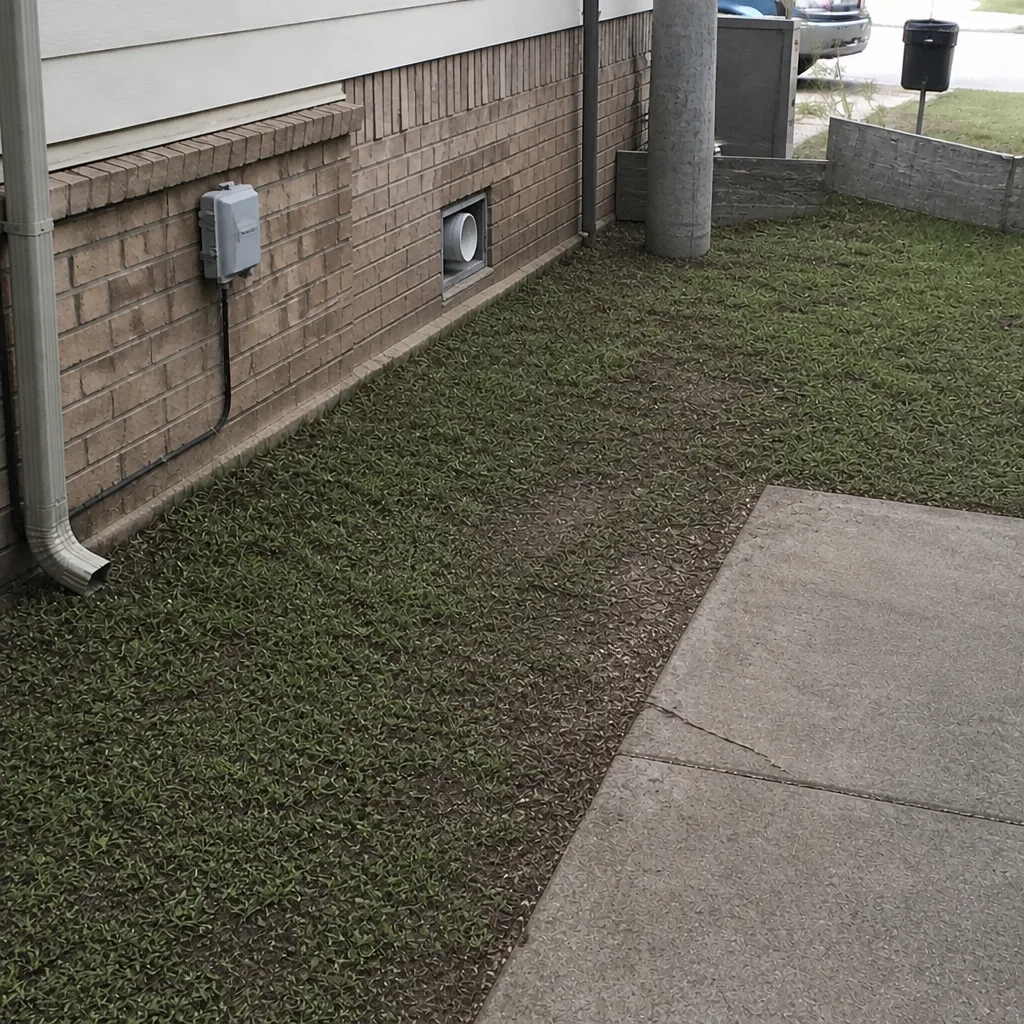
See the difference
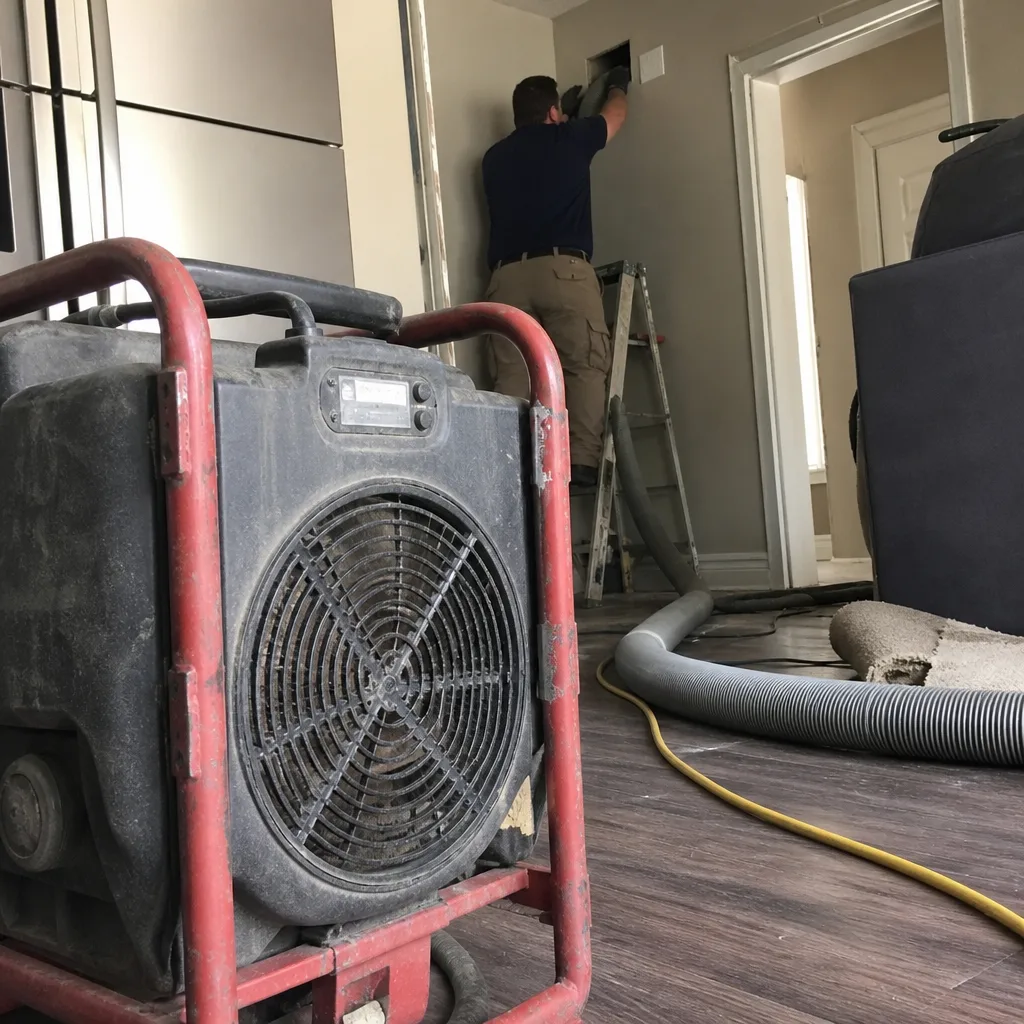 Before
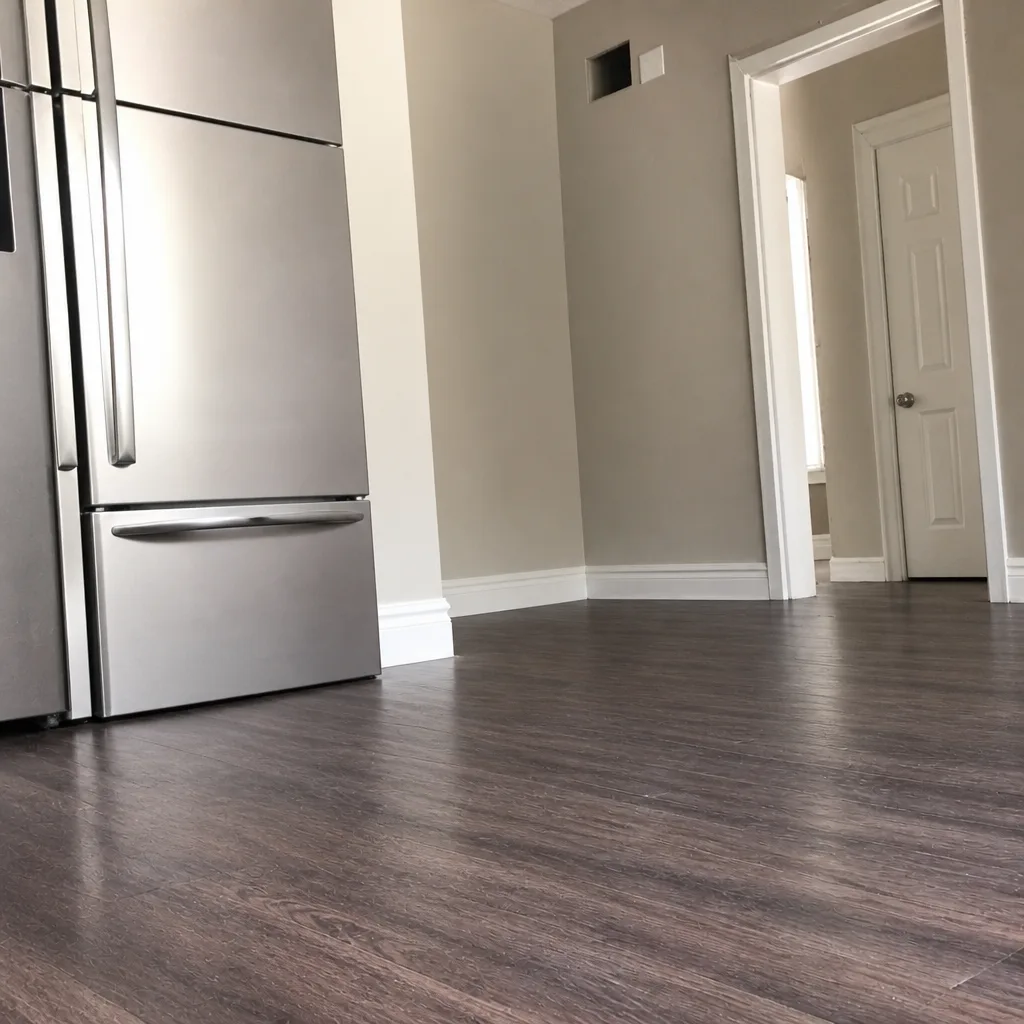 After
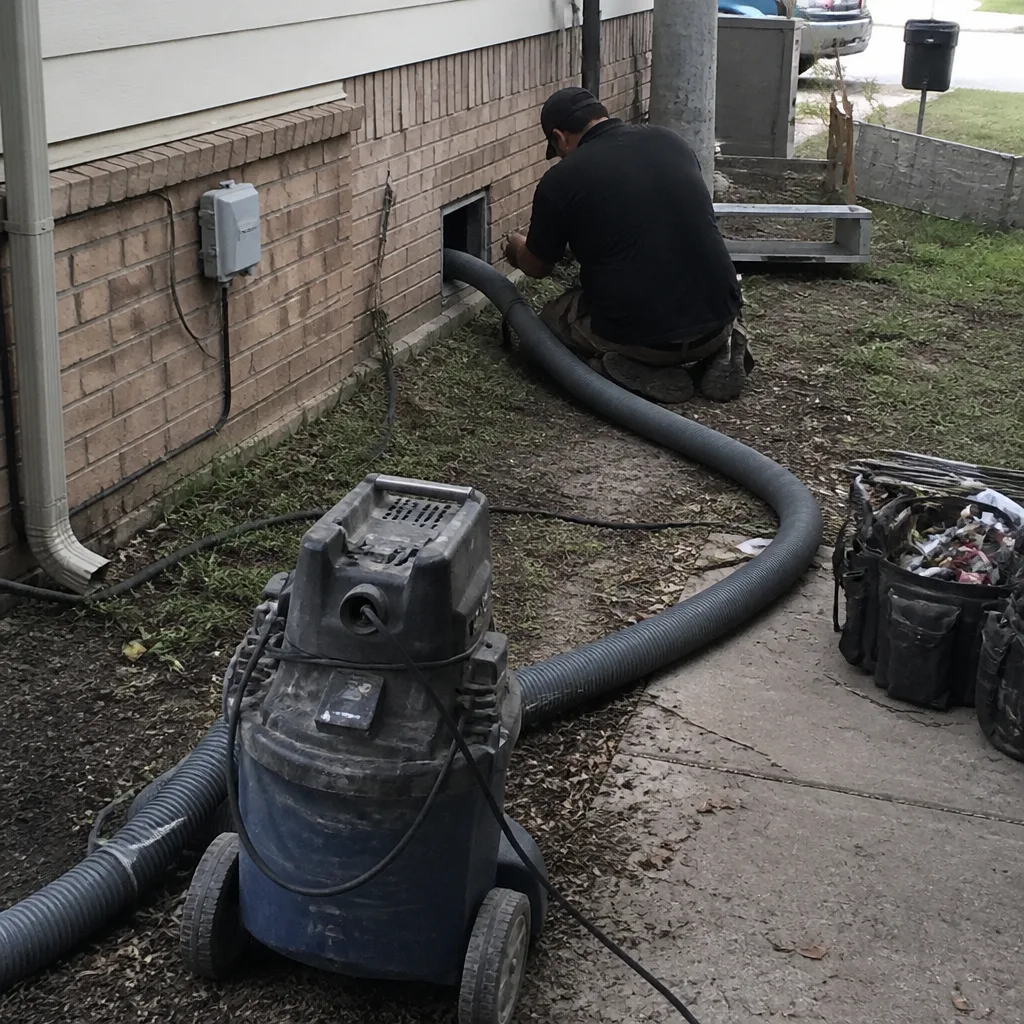 Before
 After
 Before
 After