
Last updated November 15, 2026
 Whole-home duct cleaning
 Dryer vent cleaning
 Camera inspection
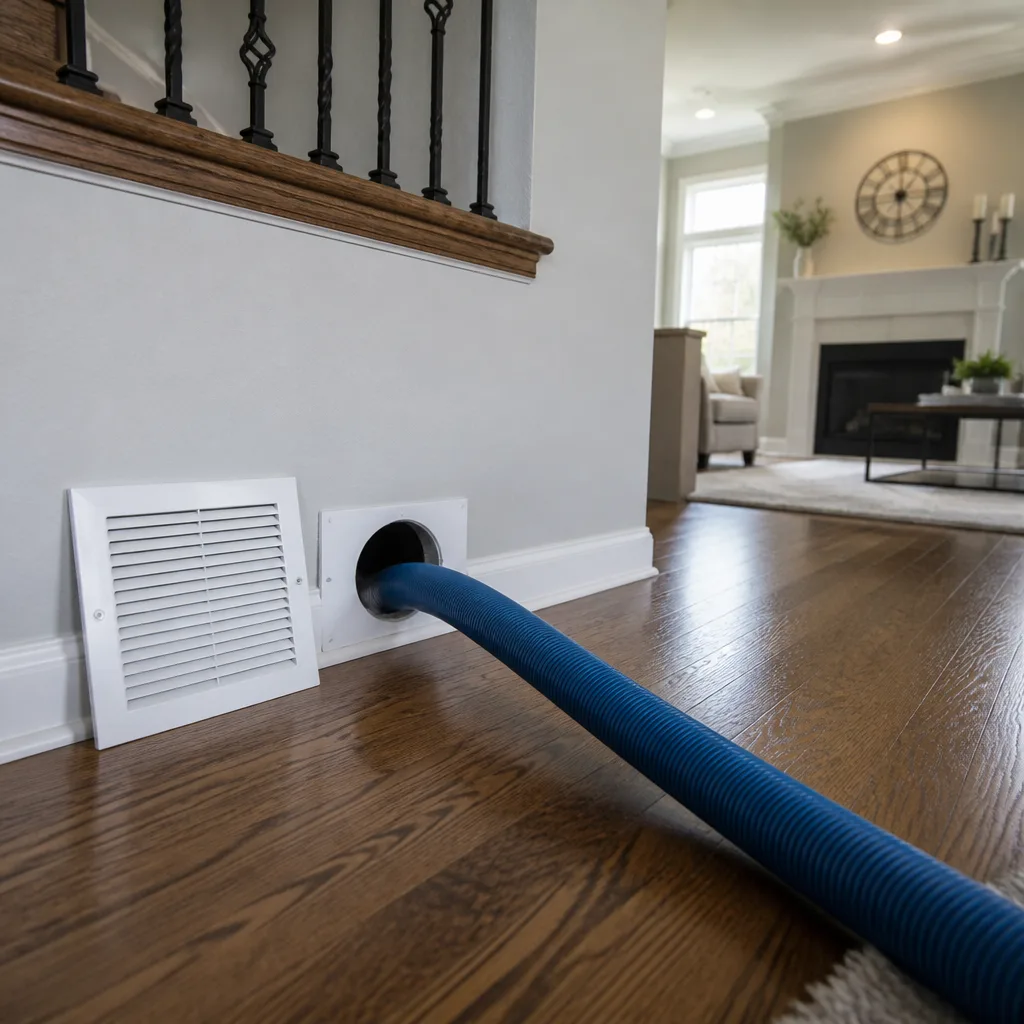 Sanitizing & deodorizing
Whole-system duct and dryer vent check with before-and-after photos - you see exactly what came out of your vents
That "$99 whole-house special" is a bait ad - the real number appears once they are in your hallway, or the "clean" is a shop-vac at the register. We photograph the inside of your ducts before and after instead.
Seasonal Air Duct Cleaning Care for Denton: Year-Round Homeowner’s Guide
Most homeowners treat duct cleaning as a once-a-year checkbox, usually sometime in spring before the AC kicks on for good. That approach quietly fails in Denton, because our climate doesn’t deliver one uniform air quality threat – it delivers four distinct contamination seasons, each loading your duct system through a different pathway. Cedar pollen coats duct liner in late winter, storm debris and humidity spikes hit in spring, continuous AC operation changes duct pressure all summer, and the first furnace startup of fall dislodges months of settled debris. This guide walks through each season in order, explains what’s actually happening inside your ducts, and shows you how to build a service calendar around Denton’s real climate instead of a generic annual reminder.
Quick Answer
Seasonal air duct cleaning in Denton means scheduling professional cleaning around four distinct contamination seasons rather than once a year: late winter after cedar pollen peaks, late spring after storm season, late summer when AC condensate issues surface, and fall before the heating system starts. Between professional visits, filter changes and visual inspections at each season transition keep the system from loading up faster than cleaning can keep pace with. A calendar tied to Denton’s climate works far better than a single annual appointment.
Styles & brands we work with
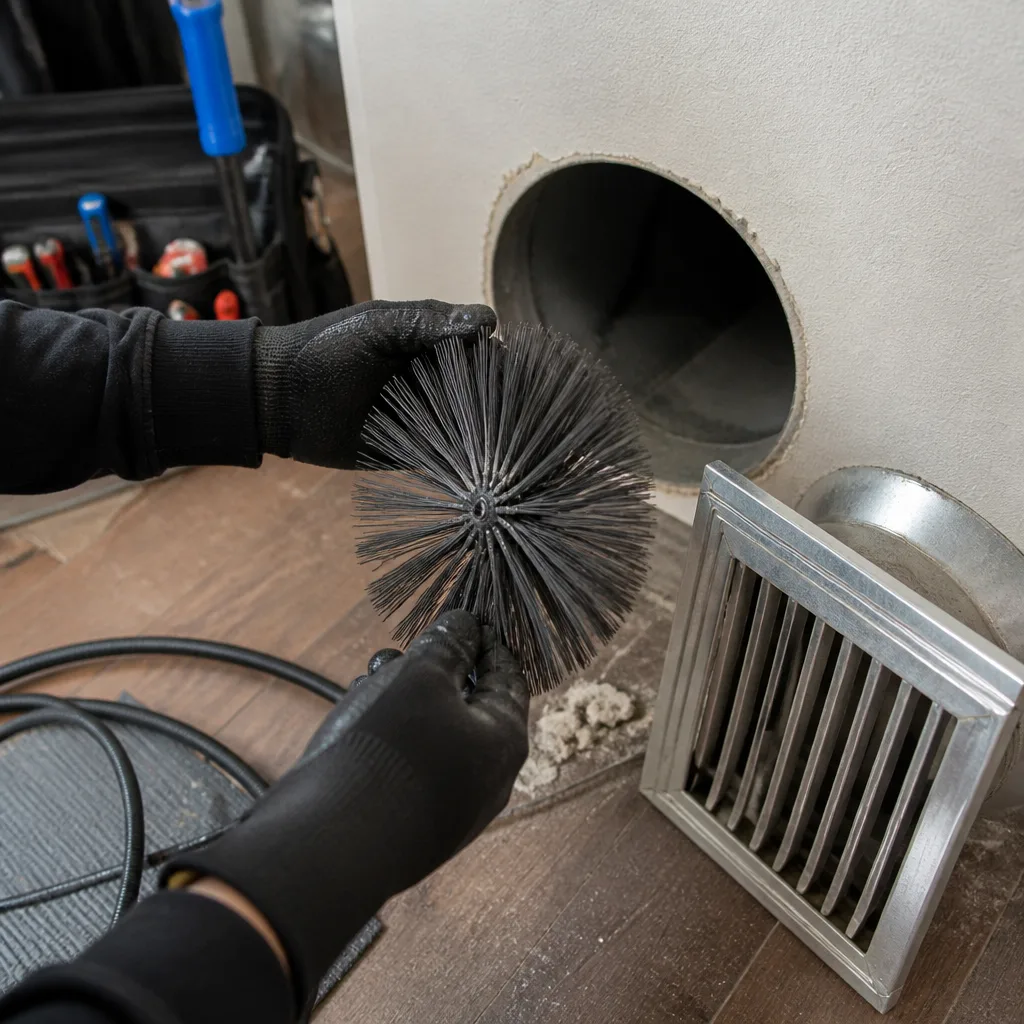
- Whole-home duct cleaning
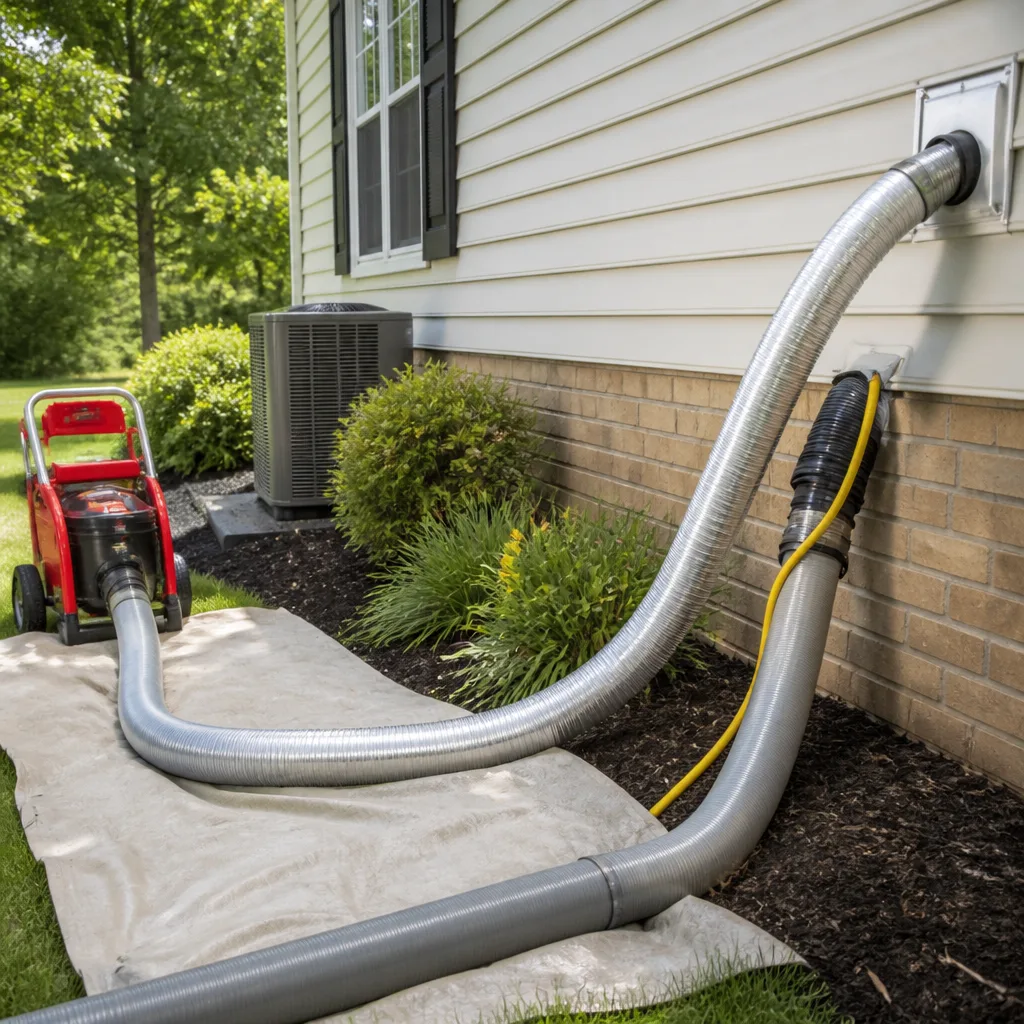
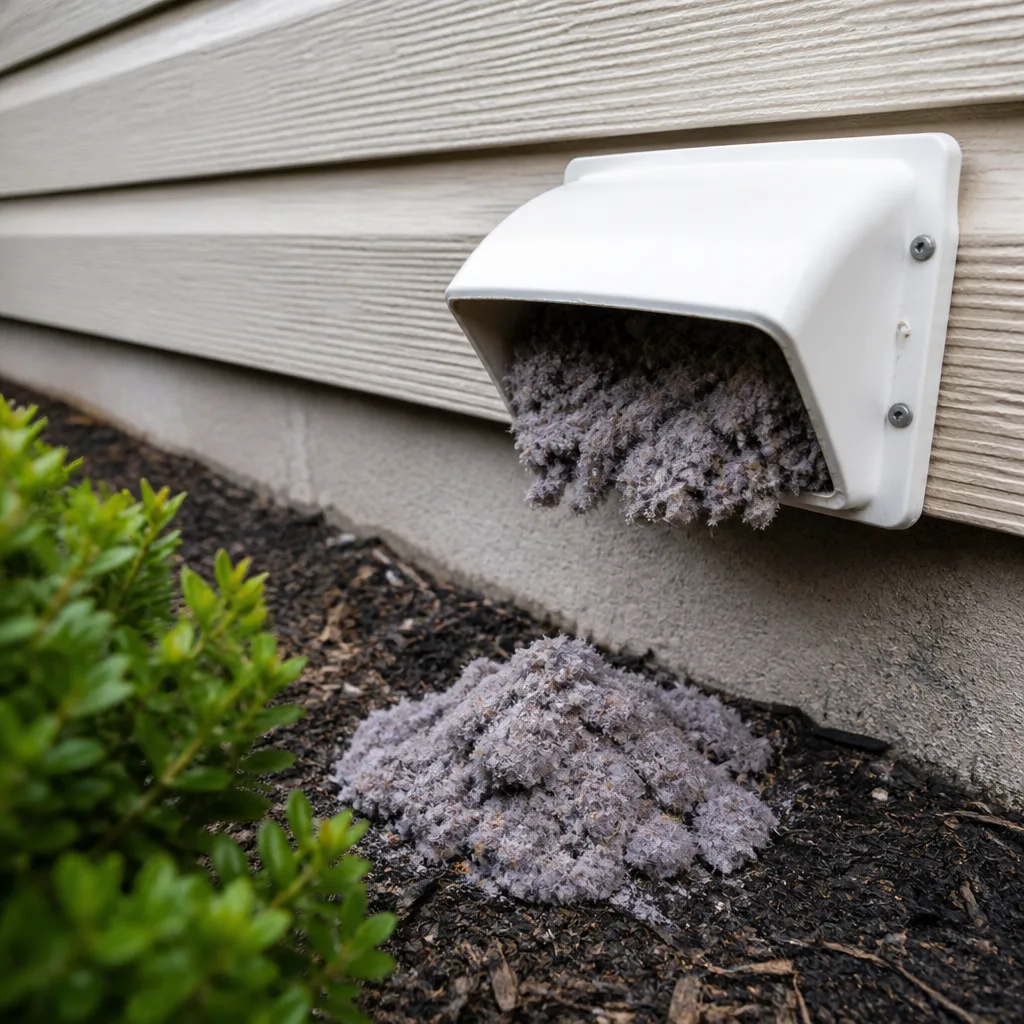
- Dryer vent cleaning
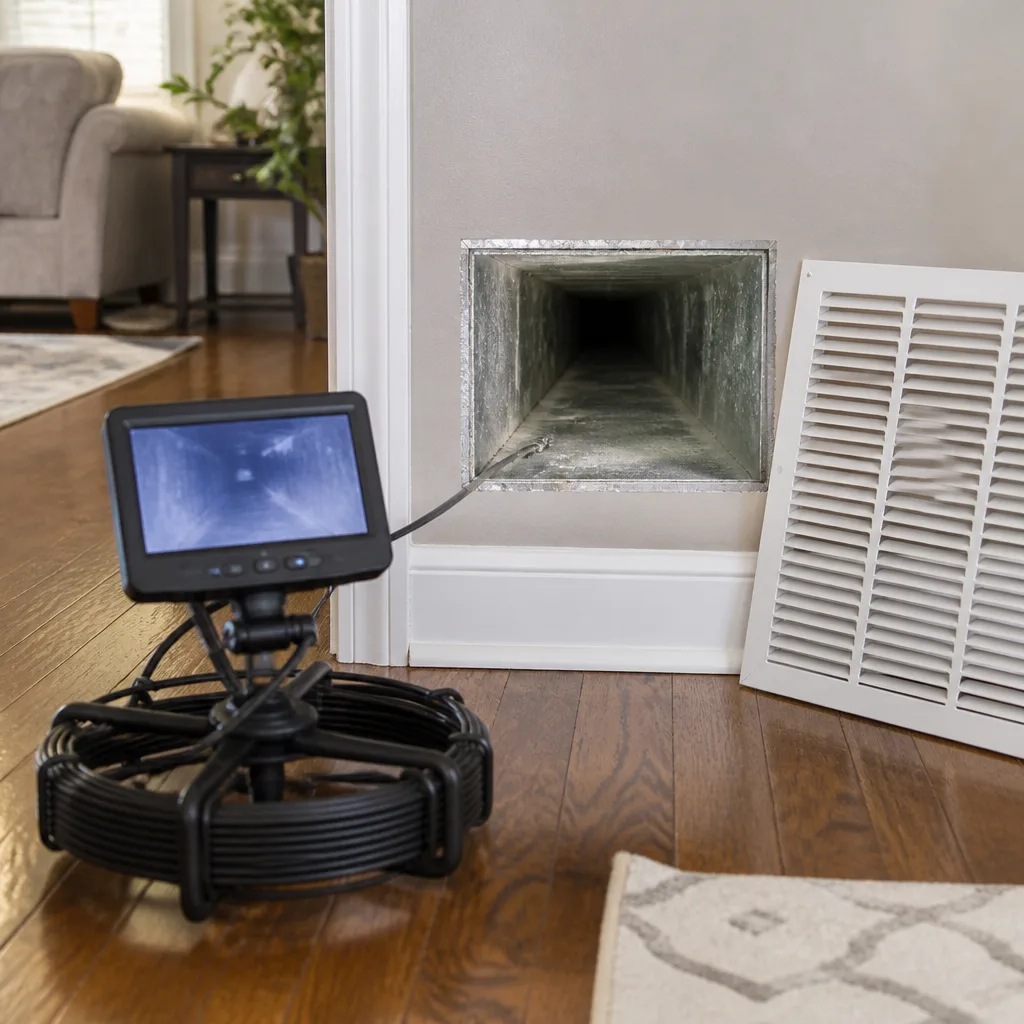
- Camera inspection
- Sanitizing & deodorizing
Table of Contents
- Why Denton’s Climate Makes Seasonal Duct Care Different
- Winter (January-March): Cedar Pollen Infiltration
- Spring (April-May): Storm Particulate and Humidity Spikes
- Summer (June-September): Continuous AC Operation and Duct Moisture
- Fall (October-December): Heating Startup and Pre-Winter Readiness
- How to Build a Seasonal Service Calendar
- Common Mistakes to Avoid
- When to Call a Professional
Why Denton’s Climate Makes Seasonal Duct Care Different
A duct system in Denton doesn’t face one threat repeated twelve times. It faces four different threats in sequence. That matters because each one loads the ducts through a different physical pathway, and a cleaning method that handles one doesn’t necessarily handle the next. When homeowners in neighborhoods like Southridge or the older streets near downtown Denton treat duct care as a single spring task, they’re always responding to last season’s contamination while the current season deposits new material on top of it.
The compounding effect is the part most people miss. Dust, pollen, and biological material don’t just sit in a duct separately – they layer. Fine cedar pollen bonds to a slightly tacky liner surface and then traps the coarser dust that follows weeks later. Storm-blown particulate settles into the same layer. By the time summer arrives, the accumulated material is thicker and more adhesive than any single season would have produced. That’s why our clean ducts start at the source with mechanical agitation rather than a blow-and-go pass; a system that’s been loading for three seasons needs the liner surface actually disturbed and extracted, not just blown loose.
Denton also sits in a climate band where the AC runs hard for months and the heating system runs lightly for months, which means duct pressurization and airflow pattern stay relatively consistent through summer and change abruptly in fall. Those transitions are exactly when hidden problems – loose joints, failed seals, deteriorating liner – become visible as dust streaks or uneven airflow. Understanding the seasonal sequence is the foundation for everything else in this guide, and it connects directly to how Duct Cleaning Denton approaches the work.
Winter (January-March): Cedar Pollen Infiltration
January through March is the mountain cedar season, and Denton sits squarely in it. The same fine allergenic particles that make life miserable for sinus sufferers also find their way into your return air and coat duct liner surfaces. Cedar pollen is unusually fine and light, so it stays airborne longer than most dust, which means it reaches places larger particles never do. Once it settles on a slightly tacky liner surface, it forms a sticky residue that then traps subsequent dust and pollen far more effectively than a clean surface would. Your ducts become a pollen trap that keeps loading itself.
The other winter factor is filter saturation. During peak bloom, a standard filter loads faster than the package suggests because it’s catching both normal household dust and the fine, high-volume pollen stream. A filter that normally lasts three months can be noticeably restricted in weeks during the height of cedar season. That restriction raises static pressure, reduces airflow, and forces the blower to work harder.
After the season breaks, walk through the house and inspect for evidence:
- Pull your filter and hold it up to light. If it’s visibly loaded and matted rather than just dusty, the system is loading faster than the recommended interval.
- Look at the return air grille for visible pollen-colored dust accumulation around the edges.
- Check supply registers in the worst rooms for a faint coated appearance on the louvers.
- Note any seasonal allergy symptoms that don’t ease when you’re indoors – a sign the indoor air isn’t being cleaned as effectively as it should be.
If you find heavy accumulation or the filter is loading unusually fast, a professional cleaning after the season makes sense. Our technicians have up to 11 years of experience with this seasonal load pattern. If your home has a Honeywell or Aprilaire whole-home filtration system, the filter schedule may need adjusting during bloom too.
Spring (April-May): Storm Particulate and Humidity Spikes
Spring in Denton brings the other half of the cedar story. On top of lingering pollen are the storms – wind-driven outdoor particulate that gets pulled in through the return air, plus brief humidity spikes after rain that push moisture levels up in the spaces your ductwork runs through. That combination creates two problems at once: fine particulate loading and conditions that can activate dormant biological growth on a duct surface that’s already holding pollen residue.
The humidity piece deserves attention because it’s the less obvious one. A duct system that stayed dry through winter is suddenly surrounded by moist air, especially in unconditioned spaces like attics and garages. If the liner has any accumulated organic material – dust, pollen, skin cells, pet dander – that moisture is enough to wake up dormant growth. You won’t necessarily smell it right away, but it’s a reason spring inspections matter.
After any significant storm season, inspect the system methodically:
- Check exterior vents and caps for debris or damage after high winds.
- Look for water staining near the indoor air handler and any visible condensation on duct surfaces in unconditioned spaces.
- Sniff the supply registers in each room – a musty or earthy smell points to moisture in the system.
- Inspect the filter again; storm season usually forces an extra change.
- Look for any visible gaps, sagging, or loose connections that may have developed, and note them for an air duct cleaning visit that can also address repairs.
Spring is the natural time for a whole-system cleaning in most years, because it clears winter pollen residue before the humidity can activate it and resets the system for the heavy AC season ahead. We repair what others just clean around, so if your inspection turns up leaking joints or damaged liner, that can be handled in the same visit.
Summer (June-September): Continuous AC Operation and Duct Moisture
Summer runs the AC almost continuously in Denton, sometimes for weeks with barely a break. That continuous operation changes the way your duct system behaves. The blower is pushing air against consistent static pressure, the system stays pressurized in a narrow band, and any small leak that was invisible in an intermittently running system becomes a steady, measurable loss. Duct leakage doesn’t just waste cooling – it pulls unconditioned attic air, insulation fibers, and whatever else is on the other side of that leak directly into your supply airstream.
Condensate is the other summer issue. Your AC removes moisture from the air, and that moisture has to go somewhere. When the condensate drain is partially blocked or the drain pan overflows, water can reach duct liner or the surrounding structure, and wet duct liner is a serious problem – it becomes a growth medium and it loses its insulating properties. Signs of overcooling-related condensation include:
- Visible moisture or water staining on or near supply registers
- Condensation forming on exposed duct surfaces, especially in unconditioned spaces
- A musty smell that gets stronger the more the AC runs
- Water spots on ceilings or near the air handler
- Dust streaks at duct joints or register edges, a sign of pressure loss
Mid-summer is when we’d recommend a visual inspection of the air handler area and any accessible duct runs, plus a check that the condensate drain is flowing freely. If there’s persistent condensation or a smell that won’t clear, a professional visit makes sense to look at the duct liner and check for leaks. Our crews use Abatement Technologies negative-air equipment so that dislodged material is contained rather than recirculated during the work.
Fall (October-December): Heating Startup and Pre-Winter Readiness
The first heating startup of the season is the moment months of settled summer dust gets dislodged all at once. When the furnace runs for the first time in months, warm air moves through duct surfaces that have been accumulating fine debris since spring, and that material goes airborne. Many homeowners notice a faint burned-dust smell at startup, then assume it’s normal. A little of it is; a persistent smell or visible dust discharge from registers through the first weeks of heating is not, and it signals that the system needs a cleaning.
Fall also brings combustion appliances back into use, and that’s a detail worth understanding. If your home has a natural gas furnace, water heater, or other combustion appliance, the return air system and any nearby exhaust venting interact. A duct system with significant leakage near a combustion appliance can affect how exhaust gasses ventilate, and that’s a safety matter, not a comfort one. This is a general concern across homes with combustion appliances, not a Denton-specific quirk, but it’s a reason the fall check matters.
A pre-winter readiness check should include:
- Replace the filter before the first heating run.
- Walk the house and inspect every supply and return register for visible dust, debris, or a coated appearance.
- Look at accessible duct joints for gaps, tape failure, or sagging.
- Confirm the condensate system is dry and clear after summer.
- Note any musty or unusual smell from the registers at startup.
- Schedule a cleaning if you’re behind on the seasonal calendar or the visual inspection turns up significant loading.
Fall is also the right time to think about dryer vent cleaning if you haven’t done it this year – we treat that as a separate, dedicated fire-safety service rather than a bundled add-on.
How to Build a Seasonal Service Calendar
The right calendar sequences three things: filter changes, visual inspections, and professional cleaning appointments. If you’re in Denton and you want a working template rather than an annual reminder, here’s how to build one around the climate pattern this guide describes.
Filter changes: The baseline is the manufacturer’s recommended interval, but in Denton the load varies by season. During cedar bloom (January-March), check the filter every few weeks and change when it’s visibly loaded. Through the heavy AC months, expect the standard interval. Spring storm season often forces an extra change. Fall startup is an automatic change.
Visual inspections: Do these four times a year, right before each season transition. Each one should cover filter condition, register appearance, visible duct joints (where accessible), the air handler area, and any smell from the registers. This is a look, not a disassembly – if you’d have to open up ductwork or get into tight spaces, that’s a professional’s job.
Professional cleaning: Most Denton homes fall into a spring or fall cleaning cadence, with a second visit mid-summer if condensate issues or heavy AC usage created a problem. Homes with pets, allergy sufferers, recent renovations, or older duct systems often benefit from an additional winter visit after cedar season. If your ducts were installed decades ago or you’ve just bought a home, a baseline professional cleaning should happen before the calendar starts.
Here’s the calendar in summary:
- Late winter (March): Post-cedar inspection, filter change, professional cleaning if heavily loaded.
- Late spring (May): Post-storm inspection, professional cleaning baseline, assessment of any duct damage.
- Mid-summer (July): Condensate and liner inspection, duct repair if leaks are found.
- Fall (October): Pre-heating readiness check, filter change, professional cleaning if behind schedule.
If you want an outside look at the system between your own inspections, an appointment in Denton can confirm the cadence is working for your specific home.
See the difference
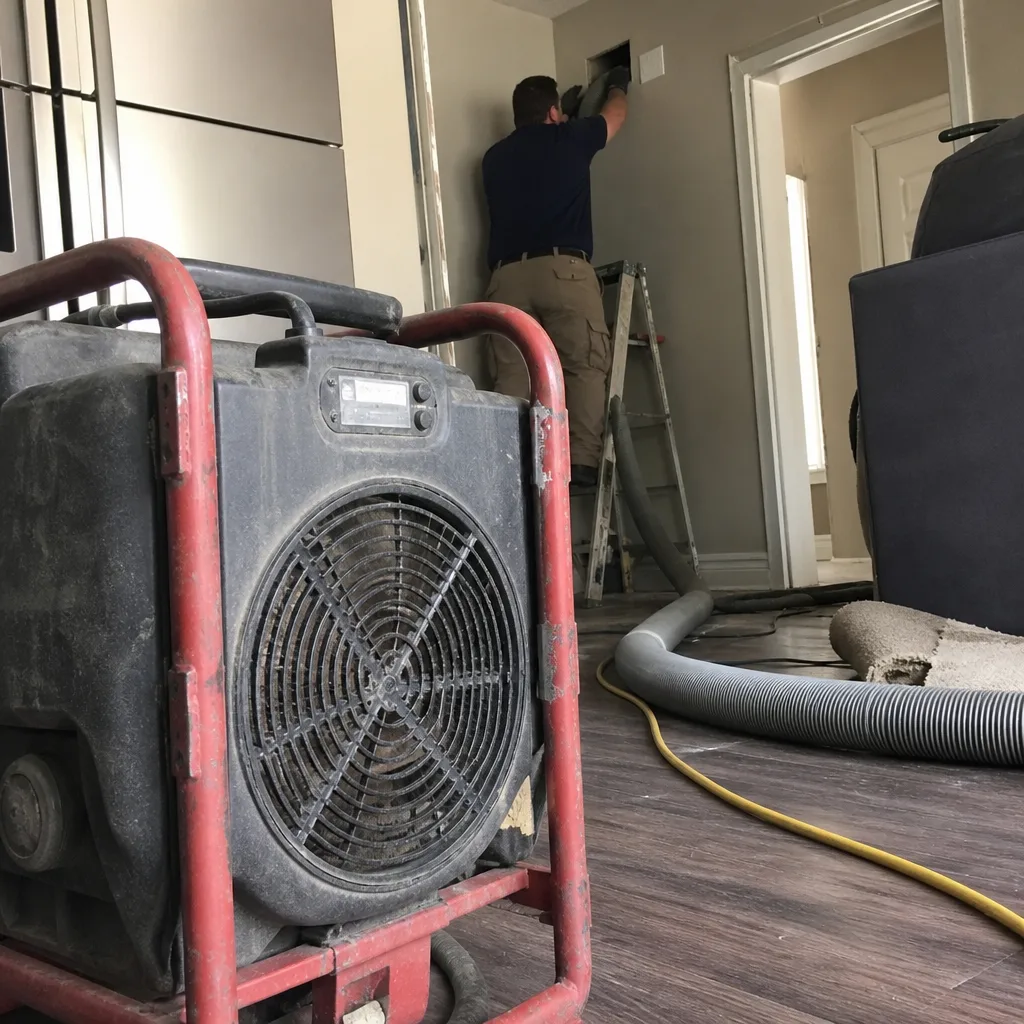 Before
 After
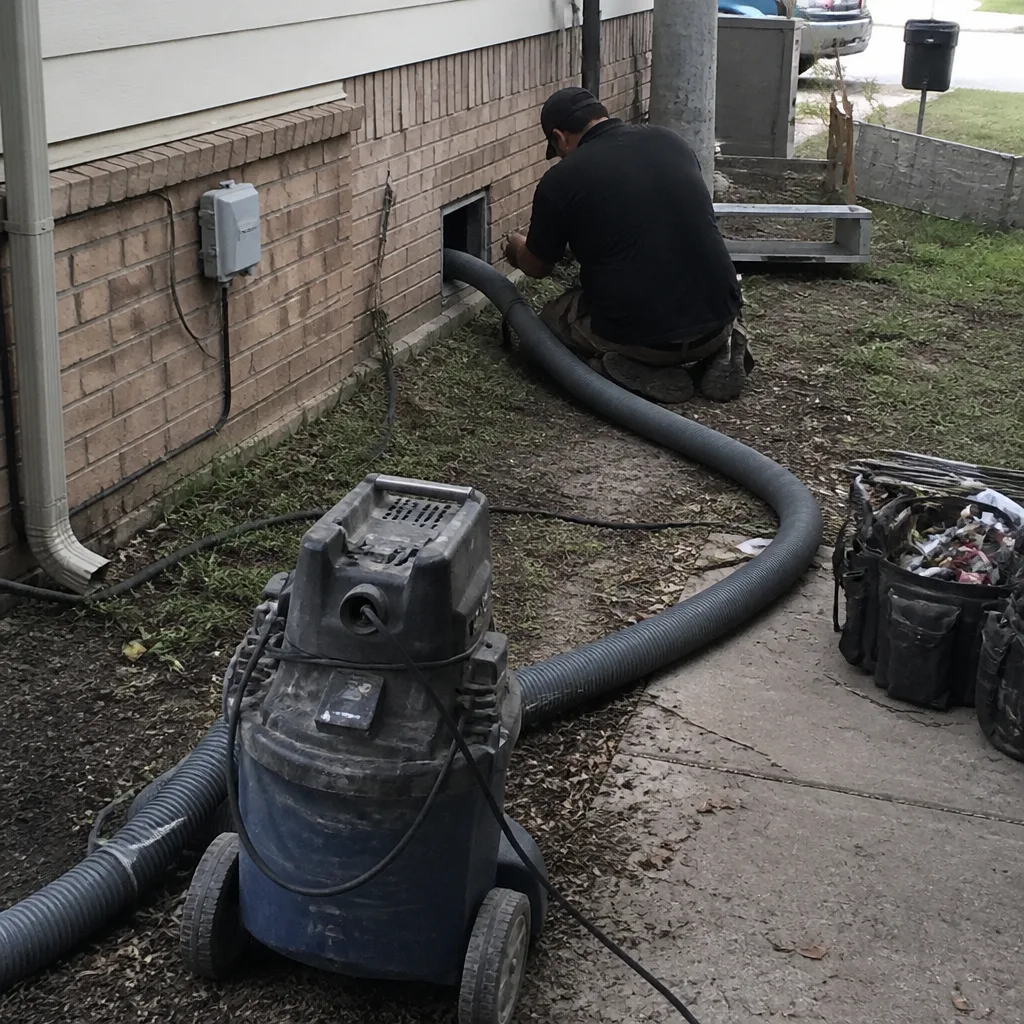 Before
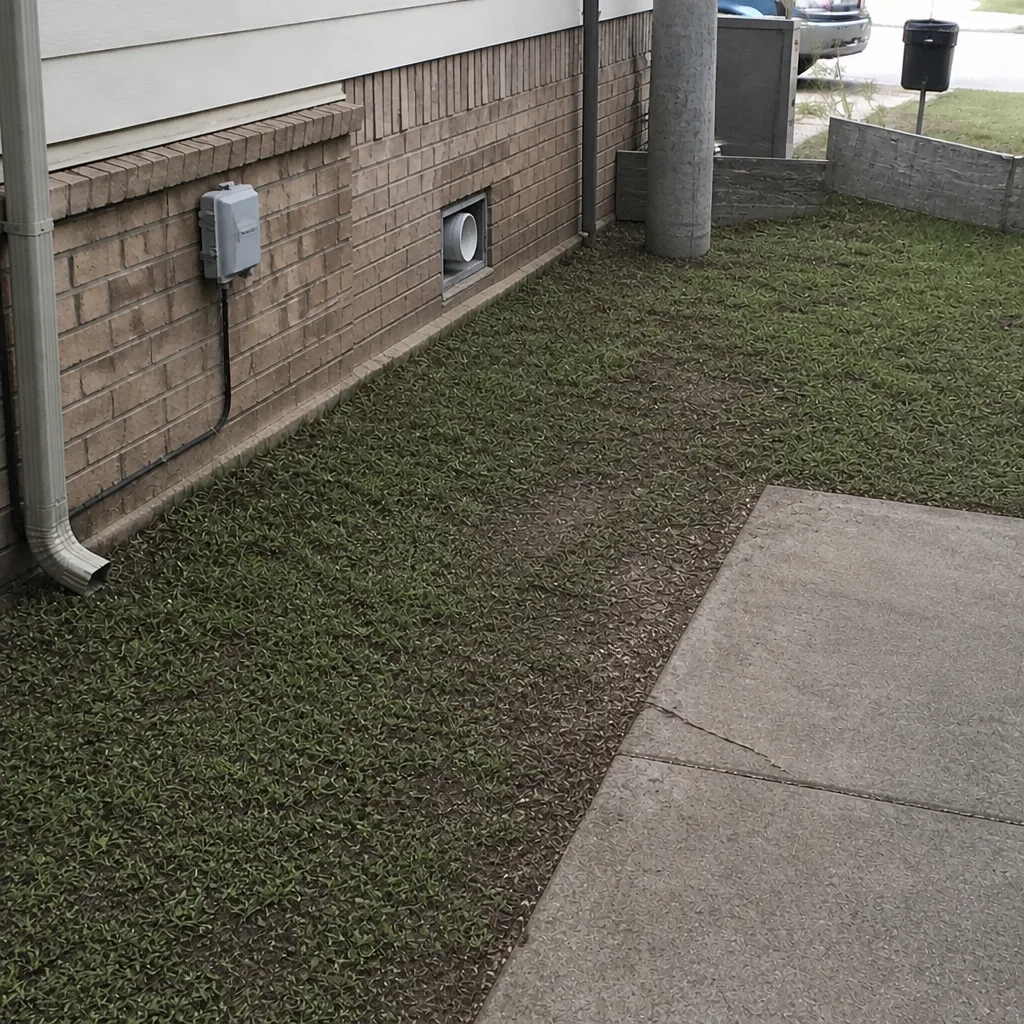 After
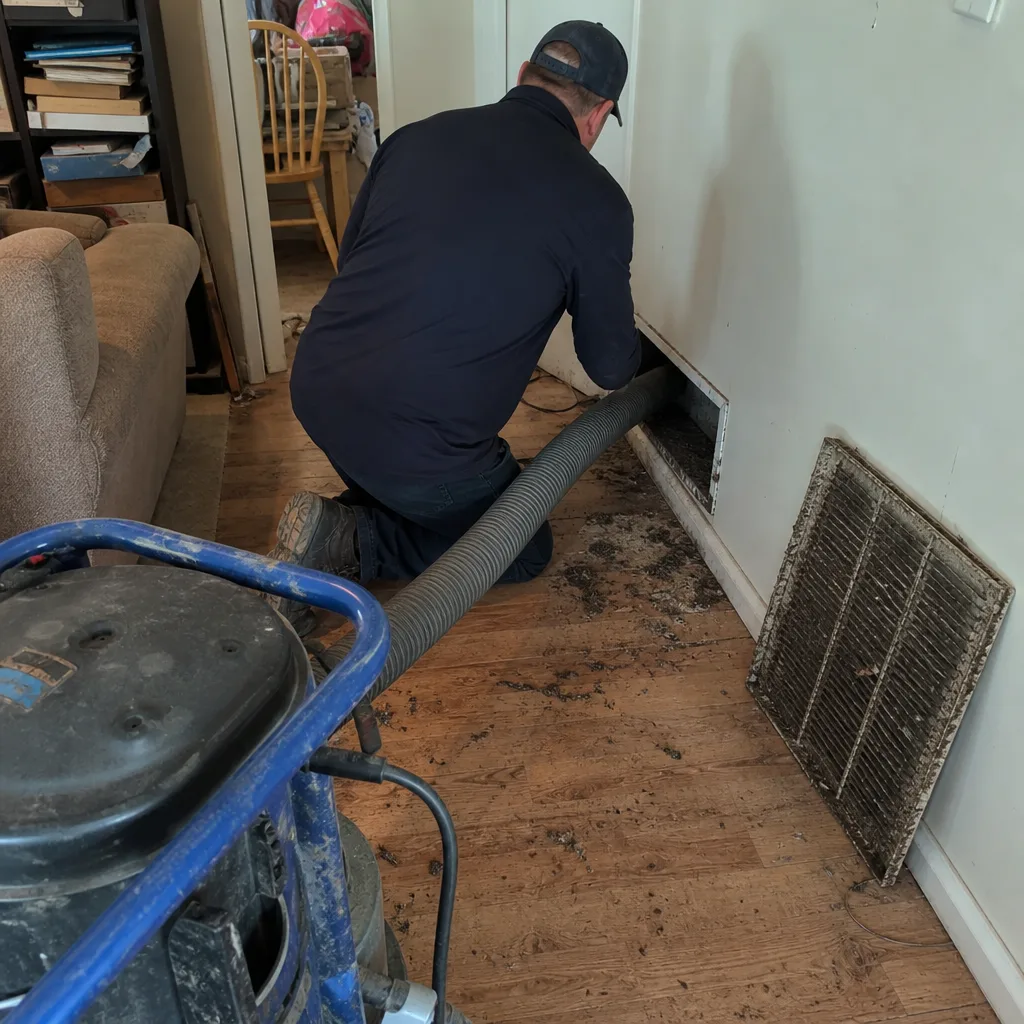 Before
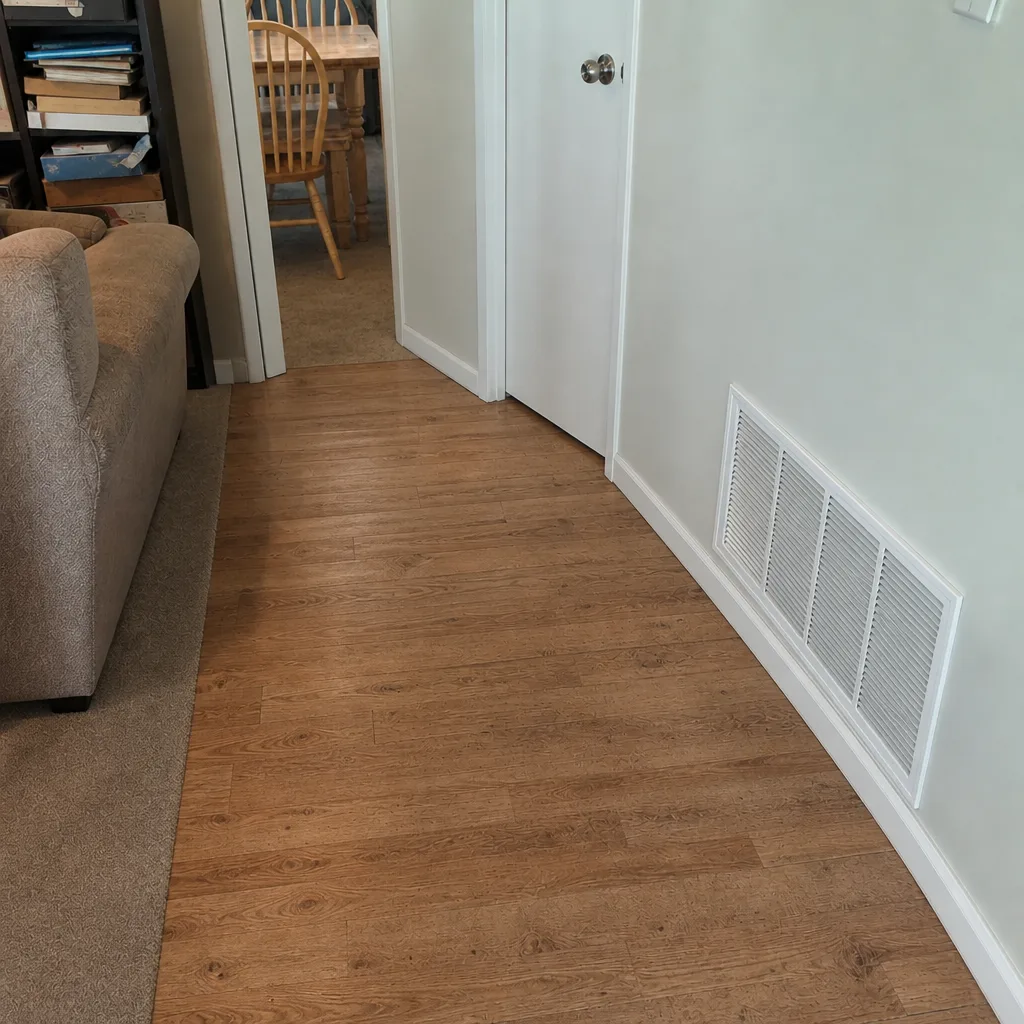 After
Equipment Matters More Than You’d Think
Seasonal cleaning only works if the cleaning method actually disturbs and extracts what’s on the duct liner. Consumer-grade shop vacuums and generic equipment don’t create enough mechanical agitation to remove a bonded pollen and dust layer, and they don’t contain what they pull loose. That’s why we run Rotobrush rotary brush systems for mechanical agitation with simultaneous extraction, and Nikro HEPA-filtration vacuums for contained debris removal. Abatement Technologies negative-air equipment keeps dislodged material from recirculating into the living space during the work, and our familiarity with Honeywell and Aprilaire systems means whole-home filtration investments get serviced as designed rather than bypassed.
Professional-grade equipment, not portable consumer kits, is what makes a seasonal cleaning schedule worth keeping. The right equipment at the wrong interval still leaves you catching up; the right interval with the wrong equipment does nothing at all.
Common Mistakes to Avoid
- Treating duct cleaning as a once-a-year task. In Denton’s climate, a single annual cleaning means three of the four seasonal loading events are never addressed before the next one lands. The compounding layer is what you’re trying to prevent.
- Cleaning on a set calendar month regardless of conditions. Filter changes and inspections should be weather-driven, not calendar-driven. A heavy cedar season or an early storm season can shift the schedule by weeks.
- Skipping the post-storm inspection. Storm-driven particulate is the one loading event that catches people off guard. A brief inspection after a high-wind event costs nothing and prevents a lot.
- Assuming the filter interval on the package is accurate for Denton. Cedar season and storm season both load a filter faster than the standard interval assumes. Check the filter during those windows, don’t just trust the box.
- Ignoring a musty smell from the registers. A persistent musty or earthy smell in summer points to moisture or growth somewhere in the system, usually duct liner or the air handler area. Covering it with a room air purifier doesn’t fix the source.
- Assuming duct damage will show up as obvious noise. Most duct damage is silent – a small leak at a joint that pulls attic air and dust into the supply airstream without any sound you’d notice. Inspect for the visual signs, not just noise.
- Waiting for visible dust before scheduling cleaning. The heaviest accumulation by far is inside the ductwork where you can’t see it. Visible dust at a register is the late stage, not the first sign.
When to Call a Professional
You should call a professional when the seasonal inspection turns up visible duct damage, when a musty smell persists after a filter change, when the filter loads unusually fast, when you’ve recently bought or renovated a home and have no service history, or when you’re behind on the seasonal calendar by more than one season. You should also call if the ducts are decades old, if you’ve never had a professional cleaning in the current home, or if anyone in the household has persistent allergy or respiratory symptoms that don’t ease indoors. Duct Cleaning Denton offers free estimates in Denton – call (888) 890-4255. We answer 24/7, with fast dispatch from 7am to 7pm, Sunday through Friday.
Frequently Asked Questions
Most Denton homes benefit from a professional cleaning once or twice a year depending on how the four seasonal loading events hit the system, with filter changes and visual inspections four times a year at each season transition. Homes with pets, allergy sufferers, recent renovations, or older ductwork often need the higher end of that range, and homes with strong filtration and good maintenance can sometimes stay at the lower end.
Cedar pollen is a genuine duct problem because it’s fine enough to travel through return air and deposit on duct liner surfaces. Once deposited, it forms a slightly tacky residue that then traps subsequent dust more effectively than a clean surface would, so the ducts become a pollen trap that keeps loading even after the bloom ends.
No. Consumer-grade shop vacuums can’t create enough mechanical agitation to remove a bonded pollen and dust layer from duct liner, and they don’t contain what they pull loose. Professional equipment like a Rotobrush rotary brush system and Nikro HEPA vacuum is purpose-built for the job, and negative-air containment keeps the loosened material out of your living space during cleaning.
A persistent musty smell, visible dust streaks at duct joints, condensation on registers or duct surfaces, a filter that loads in weeks instead of months, or anyone in the home noticing allergy symptoms that don’t ease indoors. Any of these warrant a professional inspection even if your calendar says you’re on schedule.
A faint burned-dust smell for the first day or two of heating is normal as settled dust on the heat exchanger burns off. A smell that persists beyond that, or visible dust discharge from registers through the first several days of heating, points to significant accumulation and warrants a professional cleaning before the heating season is fully underway.
Cleaning removes accumulated debris from inside the duct system. Duct repair addresses physical damage – leaks at joints, separated connections, deteriorating liner, or sagging runs. Many systems need both, and a cleaning visit is the right time to identify repair needs. We repair what others just clean around, which is why the two services work together.
Ask for before-and-after photos of the interior of the ductwork, not just the register openings. Ask what equipment is being used – a rotary brush system and HEPA vacuum with negative-air containment are the marks of a professional job, while a shop vacuum is not. And ask about the condition of the liner and joints after cleaning, because that’s the information your future service calendar depends on.
The Bottom Line
Seasonal duct care in Denton works when you treat the year as four distinct contamination seasons rather than one annual task. Cedar pollen loads the liner in late winter, storms and humidity push it further in spring, continuous AC operation surfaces moisture and pressure issues in summer, and the first heating startup dislodges it all in fall. Build a calendar around filter changes and visual inspections at each transition, schedule professional cleaning around the two big loading events, and address duct damage whenever it turns up. That sequence keeps you ahead of the cycle instead of chasing last season’s buildup.
If you want a professional assessment of where your system stands right now, call Duct Cleaning Denton at (888) 890-4255 for a free estimate. We answer 24/7. Fast dispatch from 7am to 7pm, Sunday through Friday. The estimate is free, the price is set per job by the written estimate, and you’ll see before-and-after photos of your own system so you know exactly what was done. Our technicians have up to 11 years of experience with Denton’s seasonal load pattern, and we’re ready to help with dryer vent cleaning alongside your duct care if that’s also due.
Written by the team at Duct Cleaning Denton.